




Date: Apr 01, 2026
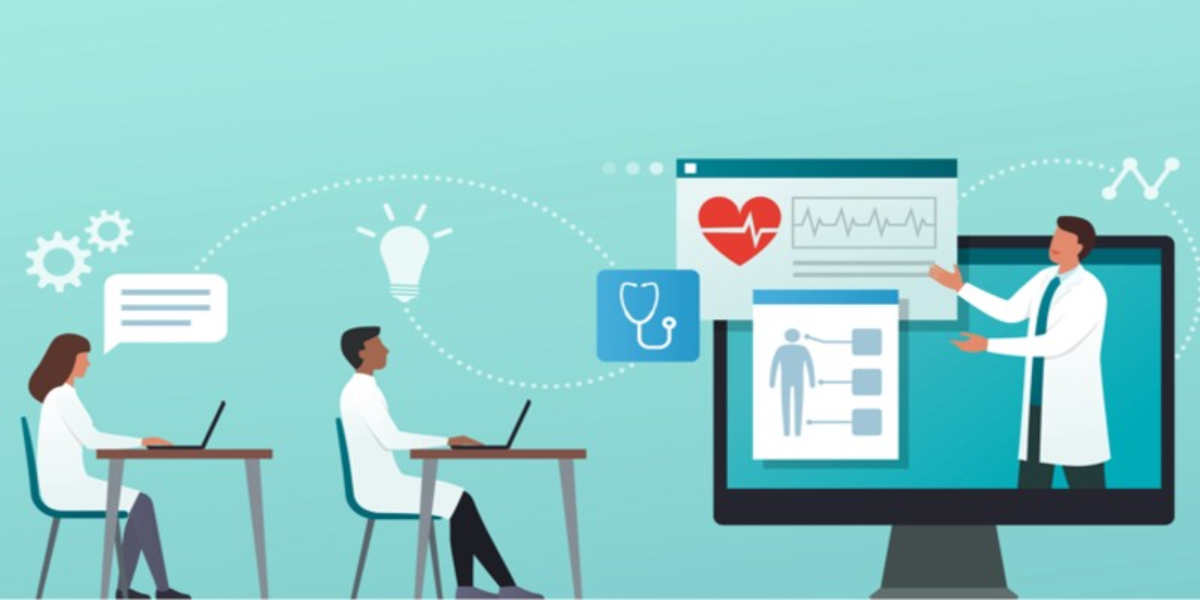
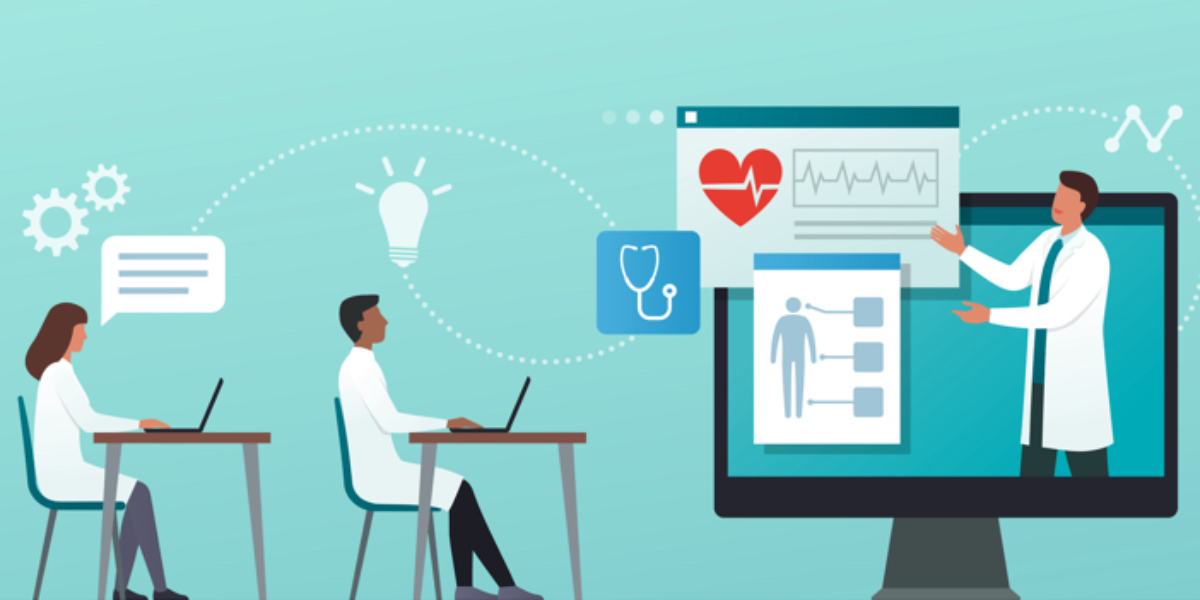
The landscape of medical education is evolving at a breakneck pace in 2026. What was once a system defined by massive textbooks and "seat time" is now shifting toward a dynamic, tech-integrated, and competency-focused model.
From the surgical suite to the primary care clinic, here are the most recent developments in medical education across various specialties.
One of the most significant shifts this year is the move from a "one-size-fits-all" curriculum to Precision Education. Similar to personalized medicine, precision education uses AI to track a student's progress in real-time, identifying specific knowledge gaps and adapting the learning material accordingly.
AI-Powered Flashcards
New tools (like those recently prototyped at Yale) now use AI to convert complex specialty guidelines into targeted flashcards instantly. This allows residents to master thousands of pages of society guidelines in a fraction of the time.
The "AI Copilot" in Residency
Residents are now being trained to use AI as a diagnostic assistant. In specialties like Radiology and Pathology, AI tools help flag early warning signs, and trainees are taught not just how to diagnose, but how to validate AI predictions.
Simulation has moved beyond plastic mannequins. Virtual Reality (VR) and Augmented Reality (AR) are now staples in procedural specialties.
Interventional Radiology (IR)
Traditionally, a difficult field to teach early on, IR training now utilizes immersive VR simulations. These systems integrate tactile (haptic) feedback, allowing students to "feel" the resistance of a catheter as it moves through a virtual blood vessel.
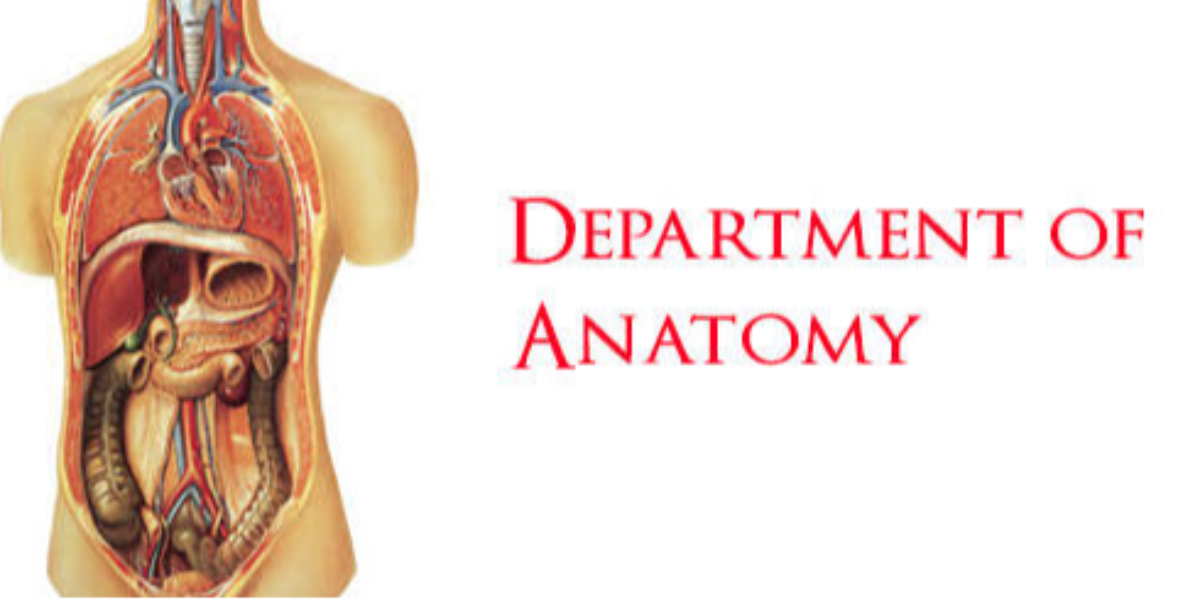
Anatomy for the Masses
Universities have managed to scale VR training by using "Anaglyph 3D" projection. This allows dozens of students to view the same 3D heart or brain model using inexpensive glasses, guided by a single instructor in a VR headset.
The global shift toward Competency-Based Medical Education (CBME) has reached its second generation. The focus has moved from "how many hours you spent in the ward" to "can you perform this task successfully?"
Mastery Over Seat Time
In 2026, many postgraduate programs will allow highly motivated residents to progress faster if they can demonstrate mastery of specific "Entrustable Professional Activities" (EPAs).
Continuous Feedback Apps
Trainees now use clinical coaching apps that provide structured, immediate feedback from seniors on soft skills like empathy, communication, and professionalism, areas that were previously difficult to quantify.
Medical education is no longer just about memorizing facts; it is about mastering adaptability. The modern physician must be part-clinician, part-data scientist, and part-technologist.
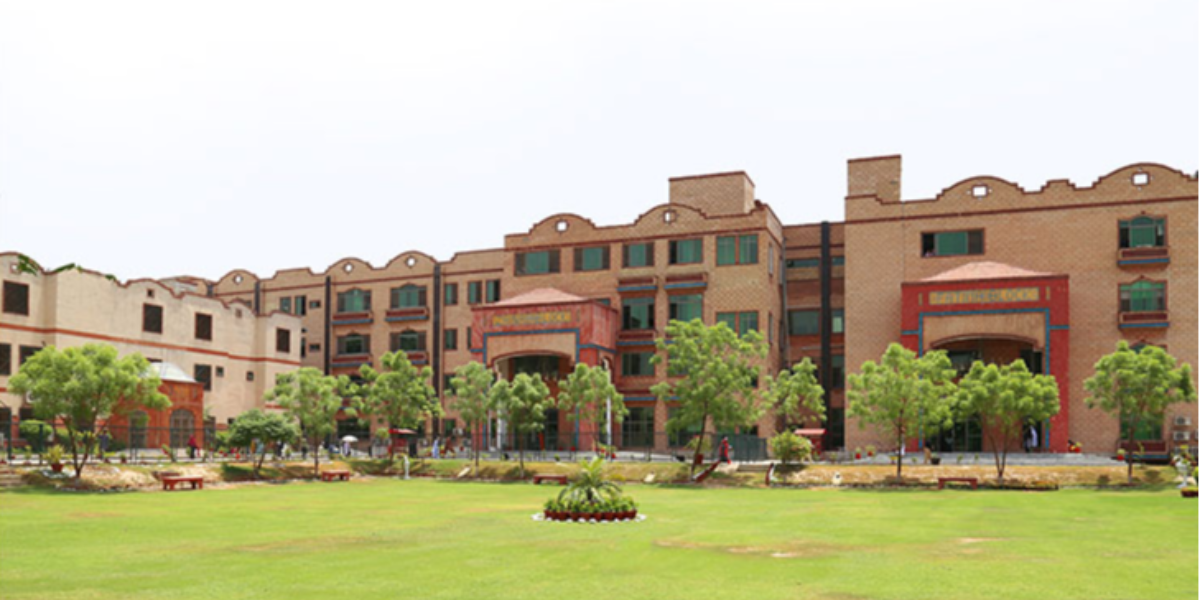
Institutions like University Medical and Dental College are staying at the forefront of these trends to ensure their graduates aren't just ready for today's hospitals, but for the future of global medicine. To learn more about how medical training is evolving, check out our blog section for the latest updates in the field.
Copyright 2026 UMDC.