




Date: Apr 10, 2026

Deciding on a specialization after completing an MBBS is a defining moment for any medical professional. For those who find fulfillment in treating the youngest and most vulnerable patients, Paediatrics offers a career path filled with both challenges and immense emotional rewards. However, the route to becoming a recognized specialist has changed significantly over the last few years.
In the past, local postgraduate qualifications were the only primary focus for doctors in Pakistan. Today, however, there is a massive shift toward international certifications that offer a broader scope. The Membership of the Royal College of Paediatrics and Child Health (MRCPCH) has emerged as a top-tier choice for young doctors who want to elevate their clinical standards and global standing.
This preference isn't just about prestige; it is about the quality of training and the door-opening opportunities that come with a "Royal College" membership. The MRCPCH curriculum is designed to transform a medical graduate into a highly competent clinician capable of handling complex neonatal and paediatric cases with evidence-based precision.
One of the primary reasons Pakistani doctors opt for the MRCPCH is its worldwide recognition. Unlike many local qualifications that are restricted to specific regions, the MRCPCH is highly regarded across the UK, Europe, the Middle East, and Commonwealth countries. For a doctor looking to pursue a fellowship in Australia or a consultant role in Dubai, this qualification serves as a powerful global passport.
The MRCPCH exam is famous for moving away from the "rote learning" or "ratta" culture. The assessment is divided into theory and clinical components that test a doctor's ability to diagnose and manage cases in real-time. It emphasizes communication skills—teaching doctors how to speak to grieving parents or anxious children, which is a vital yet often overlooked part of medical practice in our region.
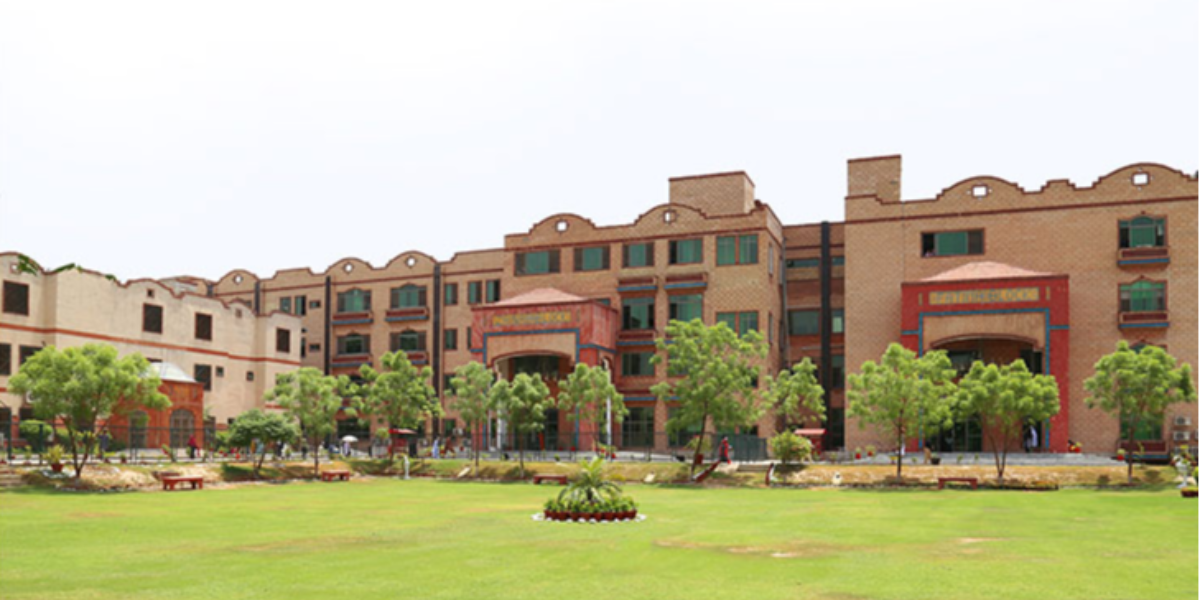
Institutions like the University Medical and Dental College emphasize these modern learning methodologies to ensure their students are prepared for such rigorous international standards.
For Pakistani doctors planning to work in the Gulf region (Saudi Arabia, UAE, Qatar), the MRCPCH offers a faster track to specialist status. Healthcare authorities in these countries often categorize MRCPCH holders at a higher tier, leading to better salary packages and more senior positions compared to those with only local certifications.
Beyond personal career growth, doctors choosing this path are bringing international standards back to Pakistan. With a high infant mortality rate in the region, the specialized training in Neonatology and Advanced Life Support provided by the MRCPCH curriculum is essential. This expertise allows doctors to provide world-class care in local NICUs and paediatric wards.
To stay updated on the evolving landscape of medical specializations and postgraduate pathways, you can explore the insights shared in our blog section. Staying informed about these global trends is the first step toward a successful international medical career.
The MRCPCH offers a very transparent and regular exam schedule. Candidates can plan their sittings for the Foundation of Practice (FOP), Theory and Science (TAS), and Applied Knowledge in Practice (AKP) throughout the year. This structure allows young doctors to manage their hospital duties while steadily progressing through their specialization without the uncertainty of irregular exam cycles.
Choosing Paediatrics is a noble decision, but choosing the right qualification is a strategic one. The MRCPCH provides Pakistani doctors with a blend of clinical excellence, global mobility, and professional respect. It is an investment that not only builds a successful career but also ensures that the children of our nation receive the best possible medical care
Copyright 2026 UMDC.