




Date: Apr 20, 2026
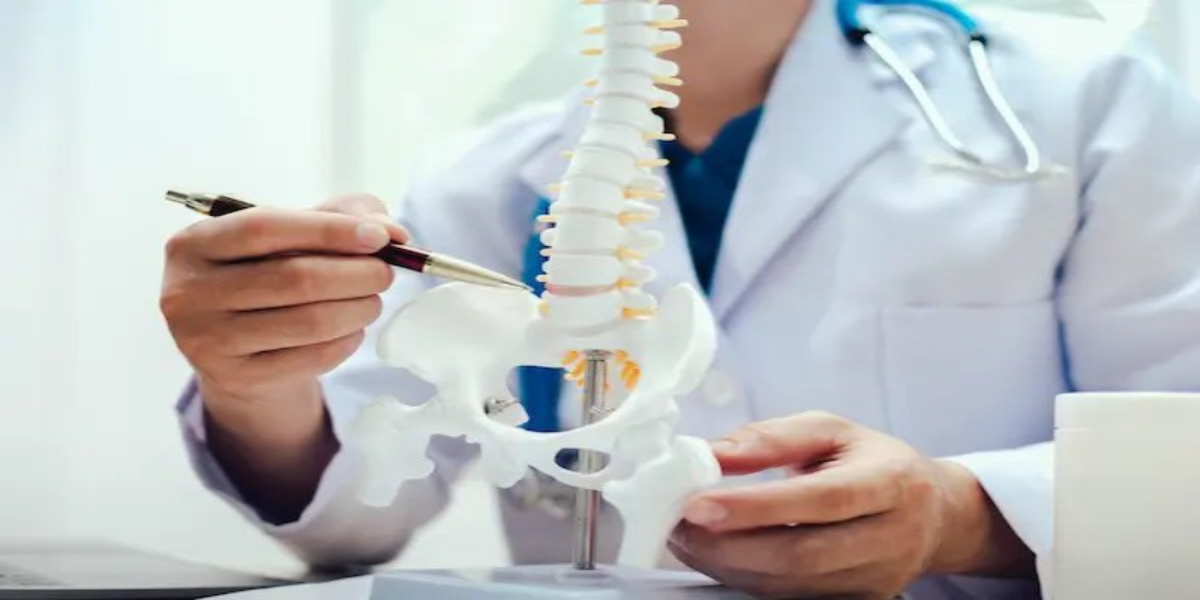
In the competitive world of medical specialisations, the landscape is constantly shifting. However, one field that consistently maintains its prestige and high demand is Orthopaedics. For many young Pakistani graduates, the dream of becoming an "ortho-surgeon" remains as strong as ever.
But as we move further into 2026, it is worth asking: with the rise of lifestyle-friendly specialisations and digital health, does Orthopaedics still hold its spot at the top?
Pakistan has a unique demographic and social structure that makes Orthopaedics a high-volume specialty. From the increasing number of road traffic accidents (RTAs) to an aging population suffering from osteoarthritis, the need for skilled surgeons is immense.
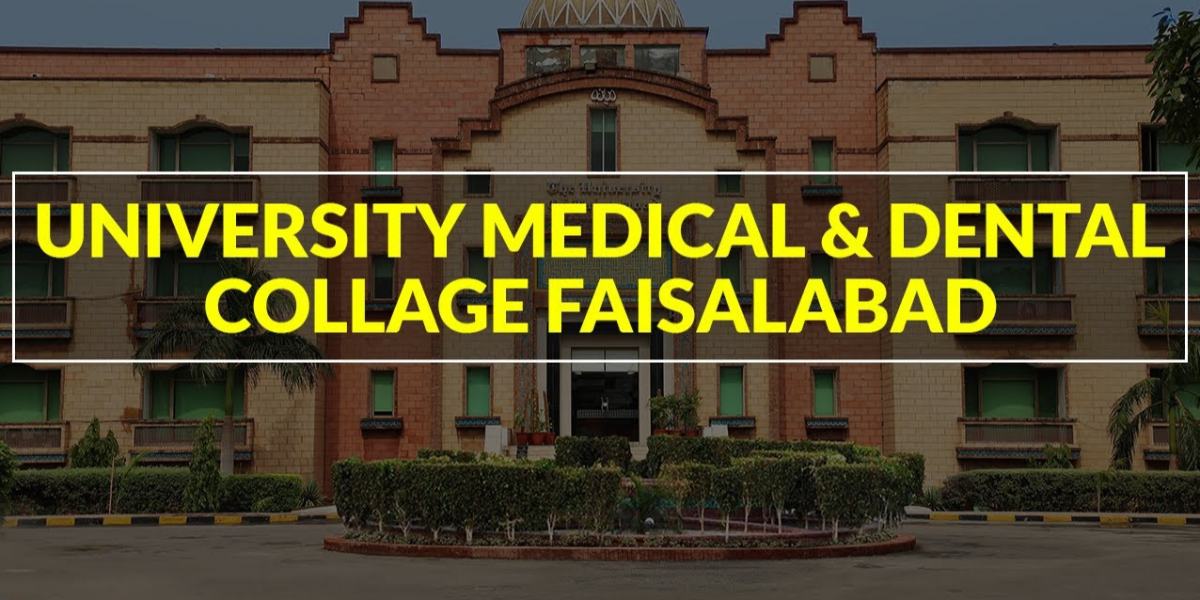
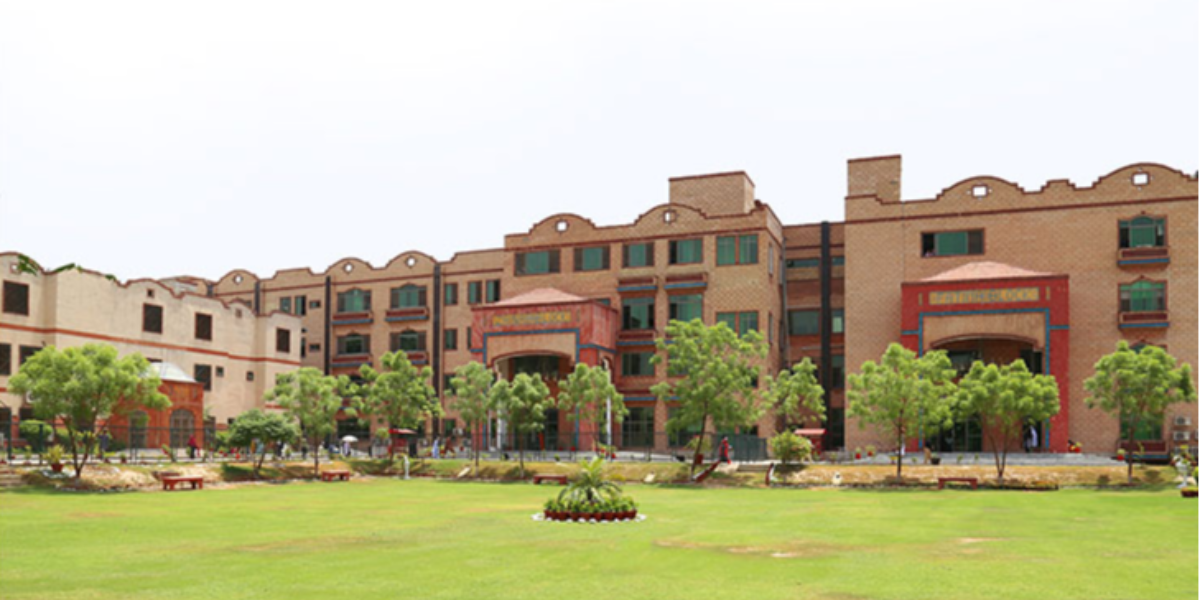
Unlike some purely elective fields, Orthopaedics often deals with trauma and emergencies. This makes it a "recession-proof" career path; as long as people move, they will require musculoskeletal care. For those aiming to enter this rigorous field, the journey begins at a high-standard institution like the University Medical and Dental College, where clinical foundations are laid.
One reason Orthopaedics remains a "Top Choice" is its rapid technological advancement. Modern ortho-surgery in Pakistan is no longer just about casts and basic plates. We are seeing the introduction of:
For a tech-savvy young doctor, these innovations make the field incredibly exciting and intellectually rewarding.
It is no secret that Orthopaedics is one of the most financially rewarding fields in Pakistan. Due to the high volume of patients and the specialised nature of surgeries (like spine surgery or sports medicine), orthopaedic surgeons often have very successful private practices.
While the training is long and physically demanding, often requiring years of residency and fellowships, the long-term financial stability and professional respect are significant draws for Pakistani doctors.
If there is one reason some doctors hesitate, it is the lifestyle. Orthopaedics is a physically demanding specialty. Surgeons spend long hours standing in the OR, often handling heavy instruments. Emergencies can happen at any hour.
However, many Pakistani doctors find that the satisfaction of "fixing" a patient, seeing someone walk again after a complex fracture, far outweighs the fatigue. This sense of immediate results is rare in other fields like Internal Medicine, where treatment is often long-term and chronic.
To become a top-tier surgeon, you need more than just ambition; you need a recognised and high-quality undergraduate education. The competition for postgraduate residency in Orthopaedics is fierce, and having a strong academic background from a reputable college is a major advantage.
If you are a student planning your medical career, it is crucial to stay updated with the latest enrollment requirements. You can find detailed information on the Admission Guide of UMDC to ensure your application meets the necessary standards for 2026.
Is Orthopaedics still a top choice? The answer is a resounding yes. Despite the physical demands, it offers a blend of high-tech innovation, surgical satisfaction, and strong financial prospects that few other fields can match. In the context of Pakistan’s healthcare needs, the orthopaedic surgeon remains an essential and highly respected figure in the medical community
Copyright 2026 UMDC.