




Date: Apr 29, 2026
Introduction
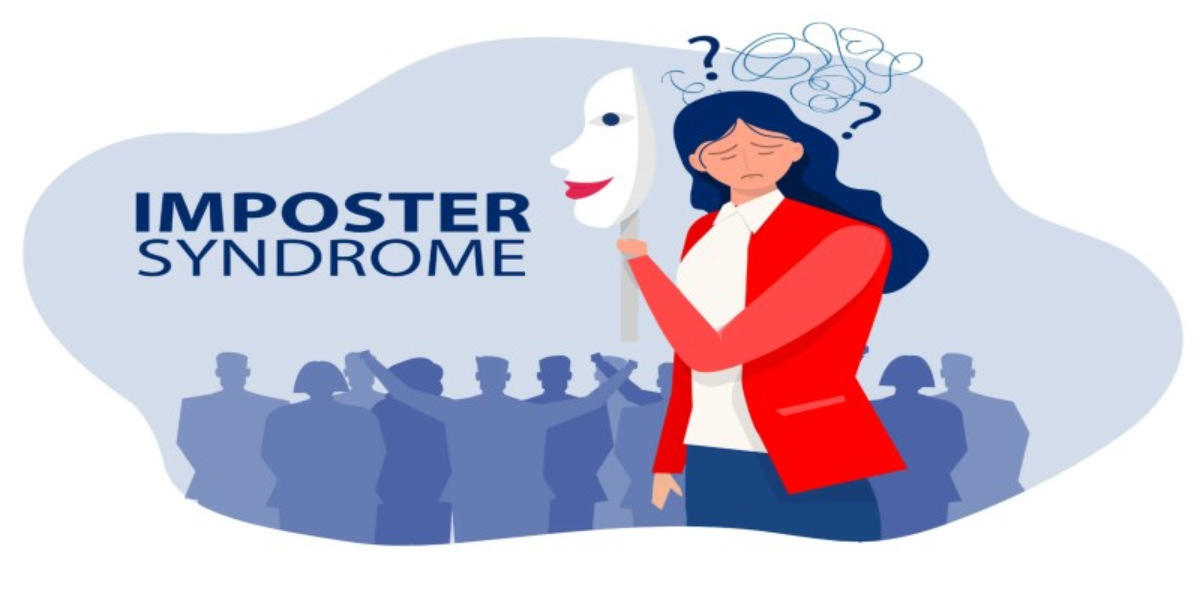
Imposter syndrome is a growing psychological challenge among medical students in Pakistan. It is a feeling where students doubt their abilities, fear being exposed as “not good enough,” and constantly compare themselves with high-achieving peers. Despite strong academic performance, many students feel they do not deserve their success. This issue is especially common in medical education due to its competitive nature and high expectations.
Medical education in Pakistan is highly competitive. Students are expected to perform exceptionally well in exams, practicals, and clinical rotations. This constant pressure often leads students to believe that their success is just luck rather than hard work.
Institutions like the University Medical and Dental College maintain strong academic standards, which is excellent for quality education, but it can also unintentionally increase stress levels among students who feel they must always perform perfectly.
Students often compare themselves with classmates who seem more confident, knowledgeable, or skilled. Social comparison in medical college can make even high-performing students feel inadequate.
During early clinical exposure, many students feel unprepared when interacting with real patients. This gap between theory and practice creates self-doubt and reinforces feelings of being an “imposter.”
Medical students are often afraid of making mistakes because errors are seen as serious. This fear reduces confidence and increases anxiety, especially during exams and clinical assessments.
No medical student is expected to know everything from day one. Medicine is a lifelong learning journey. Accepting this fact helps reduce unnecessary pressure and self-doubt.
Instead of comparing yourself with others, track your own progress. Even small improvements in knowledge and skills are meaningful achievements.
Practical experience builds confidence. Students should actively participate in ward rounds, patient interactions, and hospital training sessions. Early exposure reduces fear and improves competence.
For a better understanding of academic pathways and clinical learning structure, students can explore the Admission Guide, which explains how medical training is structured from admission to clinical practice.
Talking to senior doctors, professors, and mentors helps students realize that even experienced professionals once had similar doubts. Guidance can normalize struggles and provide motivation.
Sometimes, imposter syndrome comes from ineffective study methods. Using structured learning, revision schedules, and active recall techniques can improve performance and confidence.
Stress management techniques such as exercise, sleep discipline, and mindfulness can significantly reduce anxiety. Medical students should also seek counseling when needed.
Medical colleges play an important role in supporting students emotionally and academically. Institutions like Fee Structure and Blog Section provide valuable resources that help students understand financial planning, academic expectations, and career development, reducing unnecessary stress and confusion.
A supportive learning environment, mentorship programs, and student counseling services can significantly reduce feelings of inadequacy among medical students.
Imposter syndrome is a common but manageable challenge among Pakistani medical students. It mainly arises due to pressure, comparison, and lack of confidence in practical skills. However, with proper guidance, self-awareness, and supportive educational environments, students can overcome these feelings and grow into confident healthcare professionals.
Building confidence in medicine is not about being perfect; it is about consistent learning, experience, and self-belief
Copyright 2026 UMDC.