
Date: Nov 30, 2025
The Department of Pharmacology & Therapeutics is an essential pillar of medical education, focusing on the study of how drugs interact with biological systems and how therapeutic interventions can restore health. By combining basic pharmacology with clinical applications, this department equips future doctors and dental practitioners with the knowledge, critical thinking, and ethical framework needed to use medicines safely and effectively.
Pharmacology is the discipline that explores how drugs affect the body (pharmacodynamics) and how the body processes drugs (pharmacokinetics). The “Therapeutics” portion emphasizes the clinical use of these drugs — the right dose, timing, and selection to treat various illnesses. At UMDC, students learn both the molecular mechanisms of drug action and the practical considerations of prescribing medicines in real-world patient settings.
To ensure a deep understanding of drug science, the department uses a variety of teaching strategies:
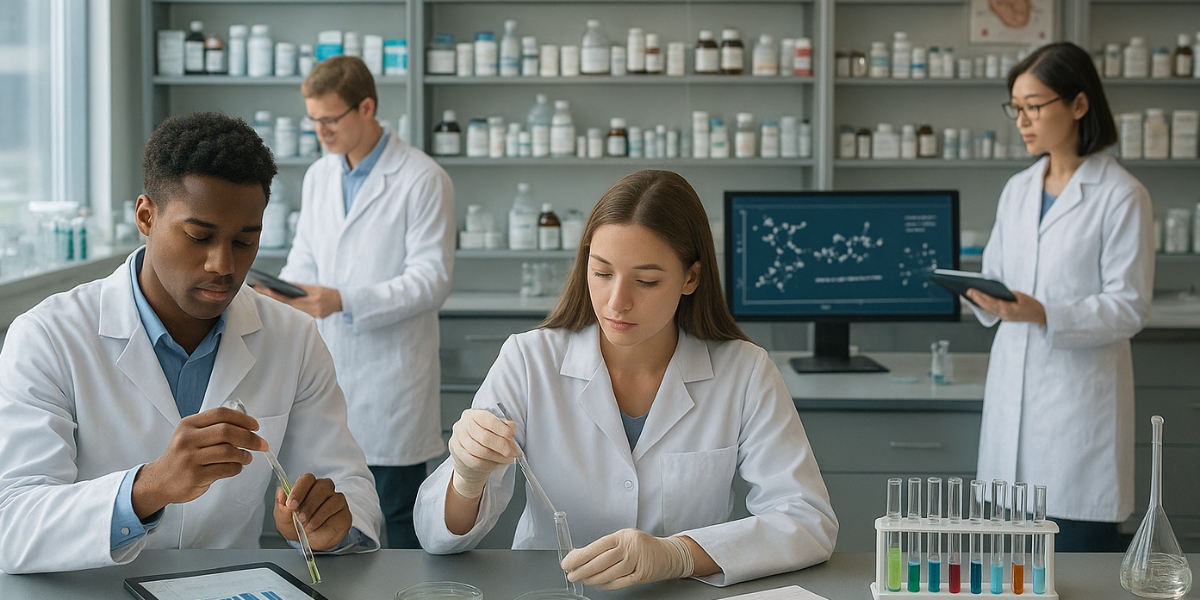
The Department of Pharmacology & Therapeutics provides students with practical exposure through fully equipped labs, including:
These labs help students move from theory to practice, building confidence in experimental design and drug analysis.
The department is supported by a dedicated faculty of pharmacologists, clinicians, and researchers who bring a wealth of experience to the classroom. They mentor students through practical sessions, guide research projects, and encourage critical thinking about drug development, safety, and regulation. Their commitment ensures that students not only gain knowledge but also a patient-centered and ethical perspective on therapy.
Research is a core component of the department’s mission. Students and faculty explore topics such as:
Through research, students learn rigorous scientific methods, data interpretation, and scientific writing—preparing them for careers in academia, industry, or clinical research.
Understanding pharmacology and therapeutics is critical for several reasons:
The Department of Pharmacology & Therapeutics at UMDC provides a vibrant, comprehensive, and forward-thinking learning environment. With expert faculty, modern labs, research opportunities, and applied clinical teaching, the department is nurturing responsible, knowledgeable, and skilled future healthcare professionals. Understanding drug science and its therapeutic use empowers students to contribute meaningfully to patient care, medical research, and the development of innovative treatments. Read More..
Relevant Blogs
Copyright 2025 UMDC.