
Date: Nov 12, 2025
The Department of Physiology plays a vital role in medical education, helping students understand how the human body functions in both health and disease. As one of the core foundational sciences, physiology enables future doctors and dental professionals to connect theoretical knowledge with real-life clinical applications. The department is committed to delivering high-quality education through modern teaching strategies, experienced faculty, and a strong focus on practical learning.
Physiology is often known as the “science of life” because it explains how different organs and systems work together to maintain balance. At UMDC, the department ensures that students gain a clear understanding of the cardiovascular, respiratory, renal, endocrine, and nervous systems. The curriculum is designed to integrate physiological concepts with clinical relevance, helping students grasp how disruptions in these processes lead to disease.
To make learning engaging and effective, the Department of Physiology uses a combination of traditional lectures and interactive, technology-based methods. These include:
These strategies help students develop critical thinking skills and understand complex concepts more deeply.
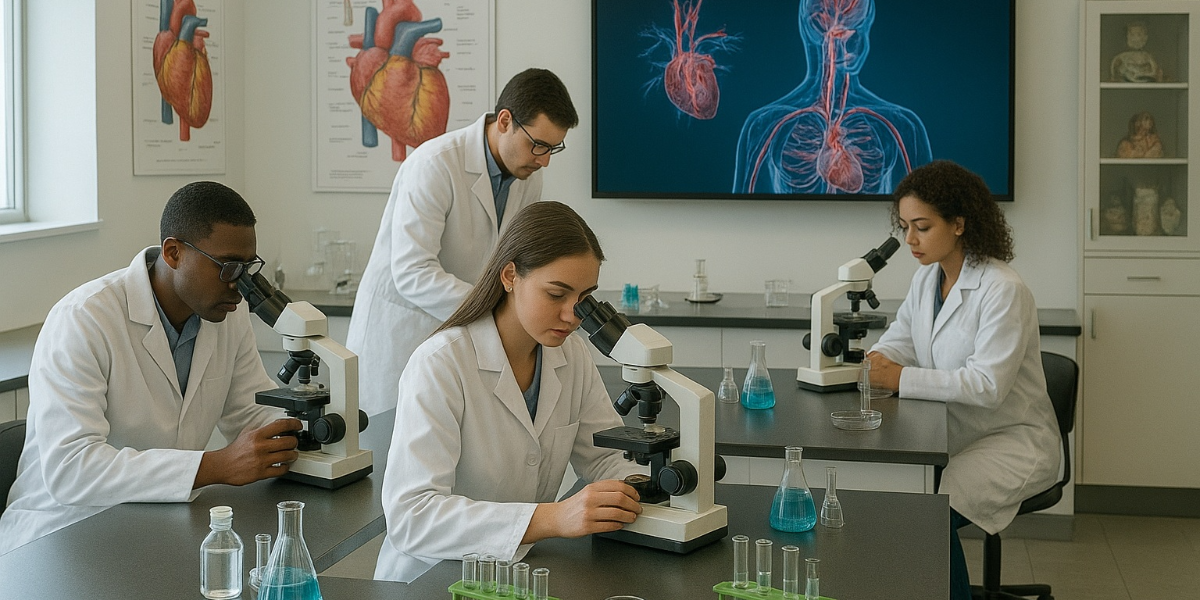
Practical learning is a major component of physiology education. The department provides well-equipped laboratories where students perform experiments and observe physiological processes firsthand. These labs support hands-on training in areas such as:
By working directly with experimental setups, students strengthen their understanding and develop essential scientific and analytical skills.
The department is led by highly qualified and dedicated faculty members who are committed to academic excellence. They guide students with structured teaching plans, regular assessments, and one-on-one mentorship when needed. Faculty members also encourage participation in workshops, journal clubs, and research projects that enhance students’ scientific curiosity.
The Department of Physiology promotes a culture of inquiry by motivating students to explore research topics related to human body functions. Students learn research methodology, data interpretation, and scientific writing—skills that are essential for future medical practice and postgraduate studies.
Understanding physiology is crucial for every medical and dental student because:
With a strong foundation in physiology, students are better prepared for advanced subjects like pathology, pharmacology, and clinical medicine.
The Department of Physiology stands as a pillar of excellence in medical education. With its modern teaching approach, dedicated faculty, and emphasis on practical learning, the department equips students with the knowledge and skills they need to excel in their future careers. It fosters scientific curiosity, analytical thinking, and a deep understanding of how the human body works—qualities essential for every healthcare professional. Read More…
Relevant Blogs
Copyright 2025 UMDC.