



Date: Mar 10, 2026
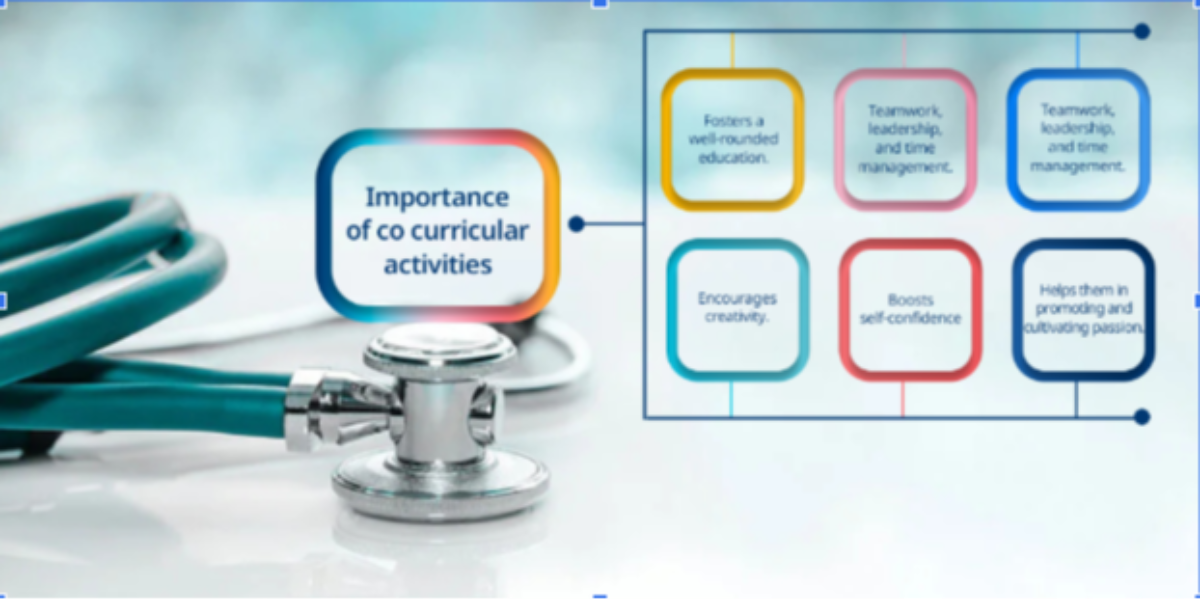
Medical education is not only about textbooks, lectures, and clinical training. To become a successful healthcare professional, students also need leadership skills, teamwork, communication abilities, and emotional intelligence. This is why co-curricular activities play a very important role in medical colleges.
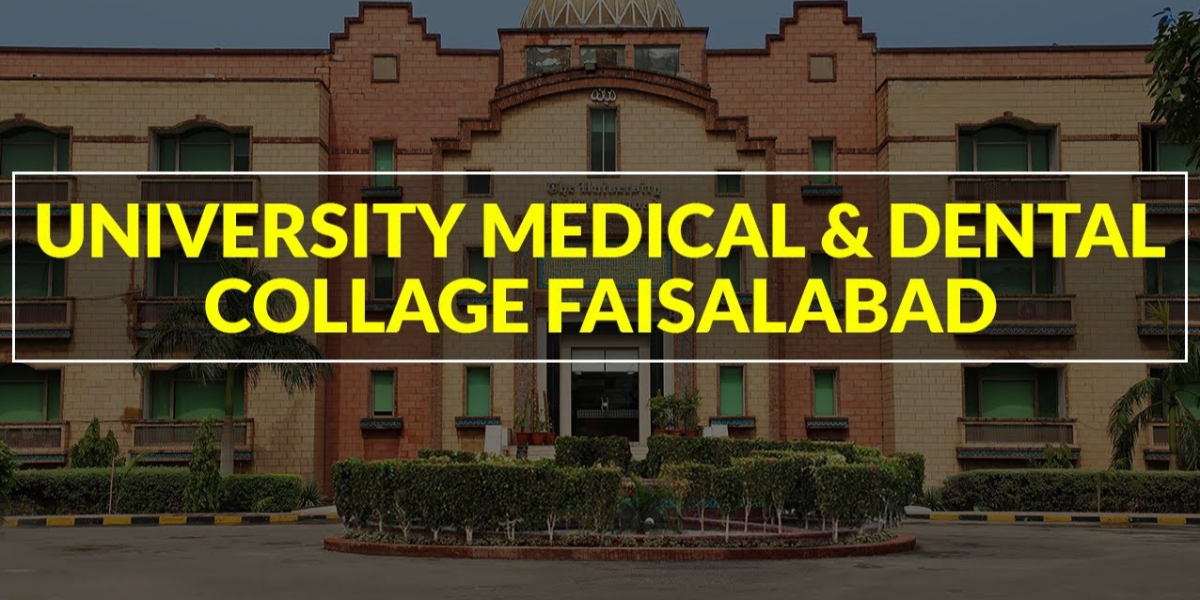
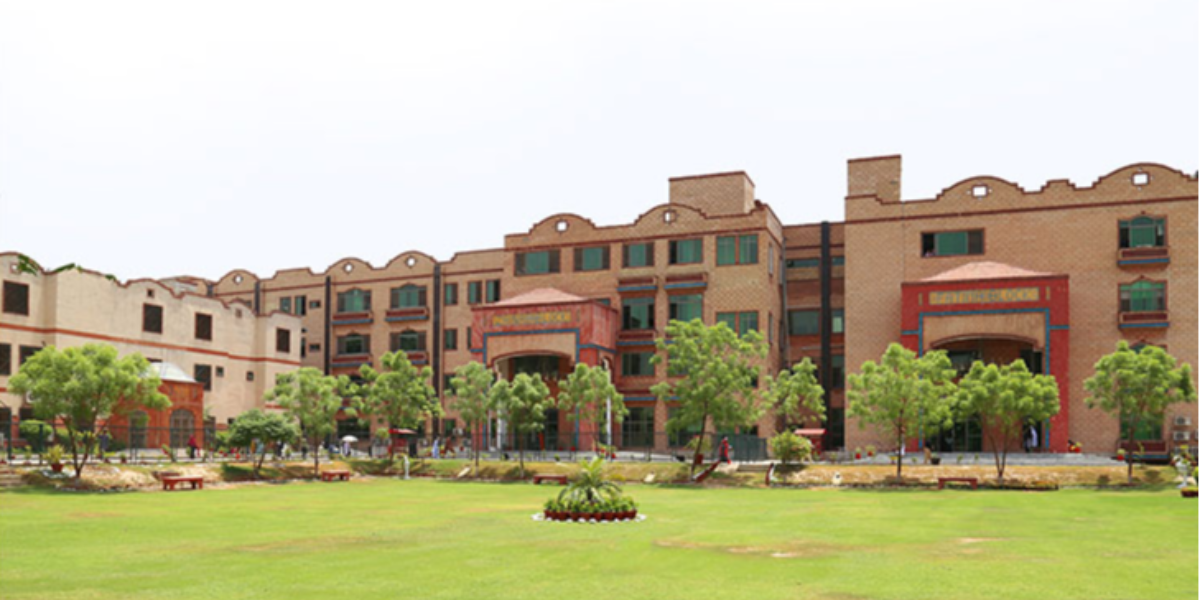
At University Medical & Dental College, students are encouraged to participate in activities that help them develop professionally and personally while pursuing demanding medical programs like MBBS and BDS.
Co-curricular activities are educational experiences that take place outside the regular classroom curriculum but still contribute to students’ learning and development.
In medical colleges, these activities may include:
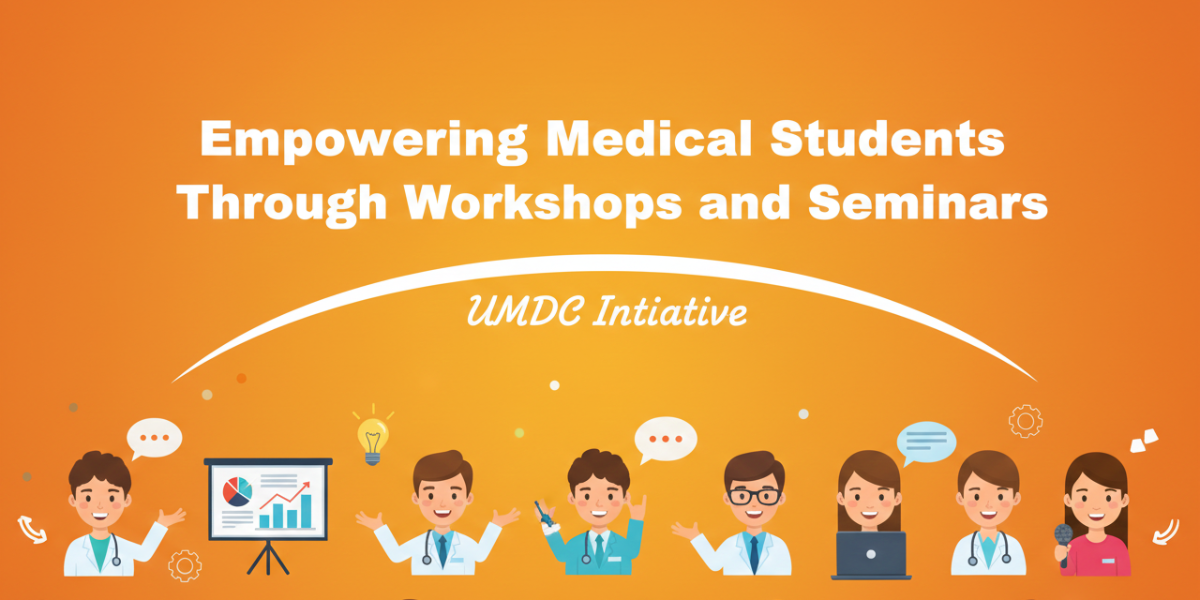
Medical seminars and workshops
Such activities complement academic learning and help students gain practical skills needed in the healthcare field.
Future doctors must be able to lead healthcare teams and make critical decisions. Co-curricular activities like student societies, organizing seminars, and leading health awareness programs help students develop leadership and management skills.
These experiences prepare medical students to handle real-life hospital situations effectively.
Doctors interact with patients, families, nurses, and other healthcare professionals daily. Participating in debates, seminars, and public awareness campaigns helps students improve their communication and presentation skills, which are essential for patient care.
Healthcare is a collaborative field. Medical professionals often work in multidisciplinary teams. Activities such as sports events, student projects, and community medical camps teach students how to work effectively as a team.
Teamwork skills developed during medical college remain valuable throughout a doctor’s career.
Medical studies can be challenging and demanding. Co-curricular activities provide students with opportunities to relax, socialize, and maintain a healthy balance between studies and personal life.
Sports events, cultural programs, and student clubs help reduce stress and improve mental well-being.
Participating in medical camps, awareness seminars, and research conferences allows students to apply theoretical knowledge in real-life situations.
For example, students may participate in:
These experiences strengthen clinical understanding and improve problem-solving skills.
Modern medical institutions recognize the importance of balanced education. Many colleges organize:
Institutions like the University Medical & Dental College, Faisalabad, aim to provide not only strong academic training but also opportunities for students to grow through various educational and social activities.
Students interested in admissions and academic programs can also explore the UMDC Admission Guide to understand eligibility requirements for MBBS and BDS programs.
Co-curricular participation offers several long-term benefits, including:
These skills are essential for becoming competent and compassionate healthcare professionals.
Co-curricular activities are an essential part of medical education because they help students develop important professional and personal skills beyond academic learning. Through seminars, sports, research activities, and community service, medical students gain valuable experiences that shape them into responsible doctors.
Medical institutions like University Medical & Dental College aim to provide a balanced environment where students can excel academically while also participating in meaningful co-curricular activities that prepare them for successful careers in healthcare. If you want to read more about medical education cliock here to our Blogs
Copyright 2026 UMDC.