



Date: Jan 06, 2026
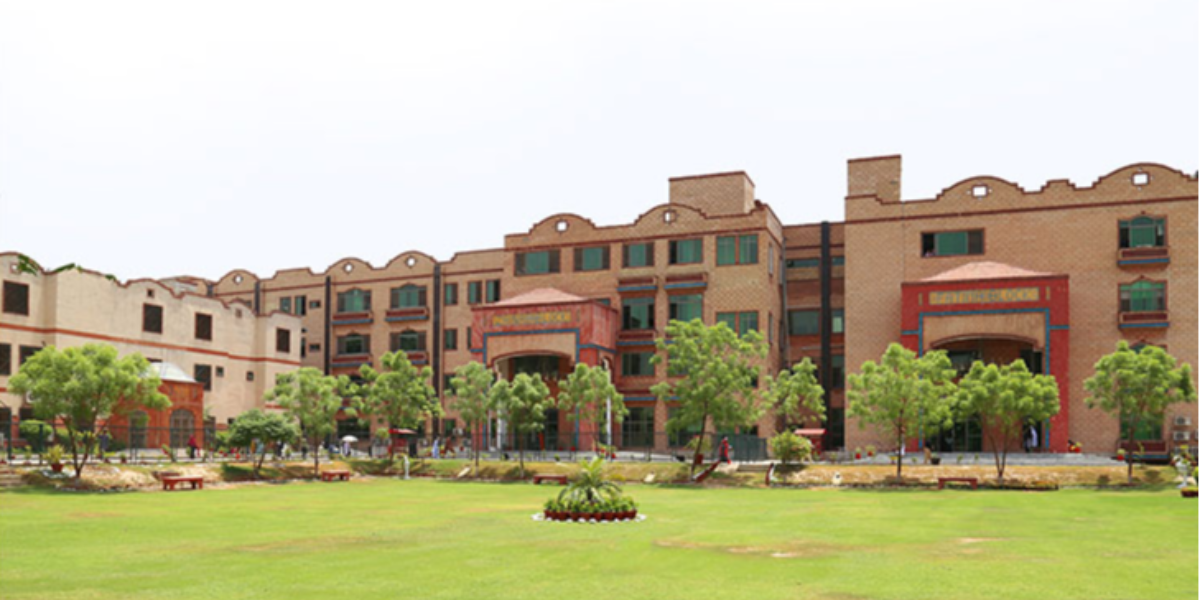
The MBBS curriculum in Pakistan is carefully designed to prepare future doctors with strong theoretical knowledge, clinical competence, and ethical medical practice. Medical institutions across the country, including University Medical And Dental College, follow structured academic and clinical guidelines to ensure high educational standards. This article explains the MBBS program structure, subjects, examinations, and clinical training in Pakistan.
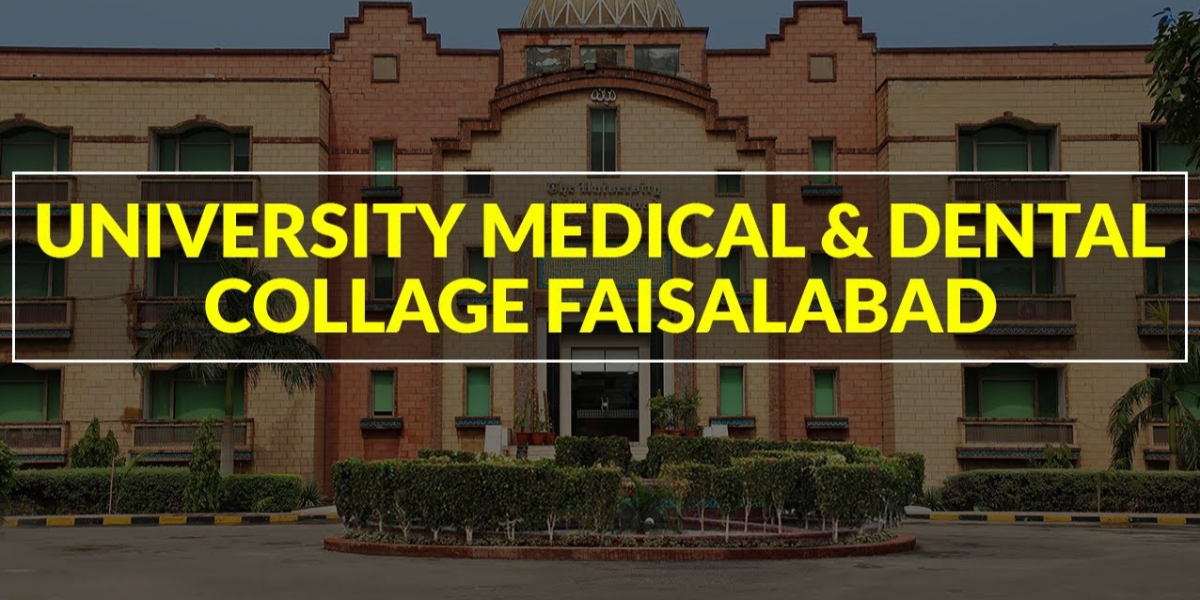
MBBS (Bachelor of Medicine and Bachelor of Surgery) is a five-year undergraduate medical degree regulated by the Pakistan Medical Commission (PMC). The curriculum focuses on integrating basic medical sciences with hands-on clinical experience to develop skilled and responsible healthcare professionals. Medical colleges such as the University Medical and Dental College adopt a curriculum that balances classroom learning with hospital-based training.
The first two years of MBBS focus on pre-clinical sciences that provide the foundation for understanding the human body and disease processes.
These subjects develop analytical thinking and scientific understanding required for advanced clinical studies.
The third year introduces para-clinical subjects that connect basic sciences with clinical application.
These subjects prepare students for clinical reasoning and patient-centered care.
Clinical training begins in the fourth year and continues through the final year of MBBS. Students gain real-world experience by working in teaching hospitals under qualified supervision.
Institutions like the University Medical and Dental College emphasize structured rotations to enhance diagnostic, communication, and patient management skills.
Each academic year concludes with professional examinations that assess both knowledge and practical competence.
Successful completion of these exams is essential for academic progression and final qualification.
In addition to academic learning, the MBBS curriculum highlights:
These skills are vital for producing competent and compassionate doctors.
The MBBS curriculum in Pakistan offers a comprehensive pathway from basic medical sciences to advanced clinical training. Through structured subjects, rigorous examinations, and hands-on hospital exposure, the program prepares students for successful medical careers. Medical institutions following standardized curricula ensure graduates are well-equipped to meet national and global healthcare challenges.
Copyright 2026 UMDC.