



Date: May 12, 2026
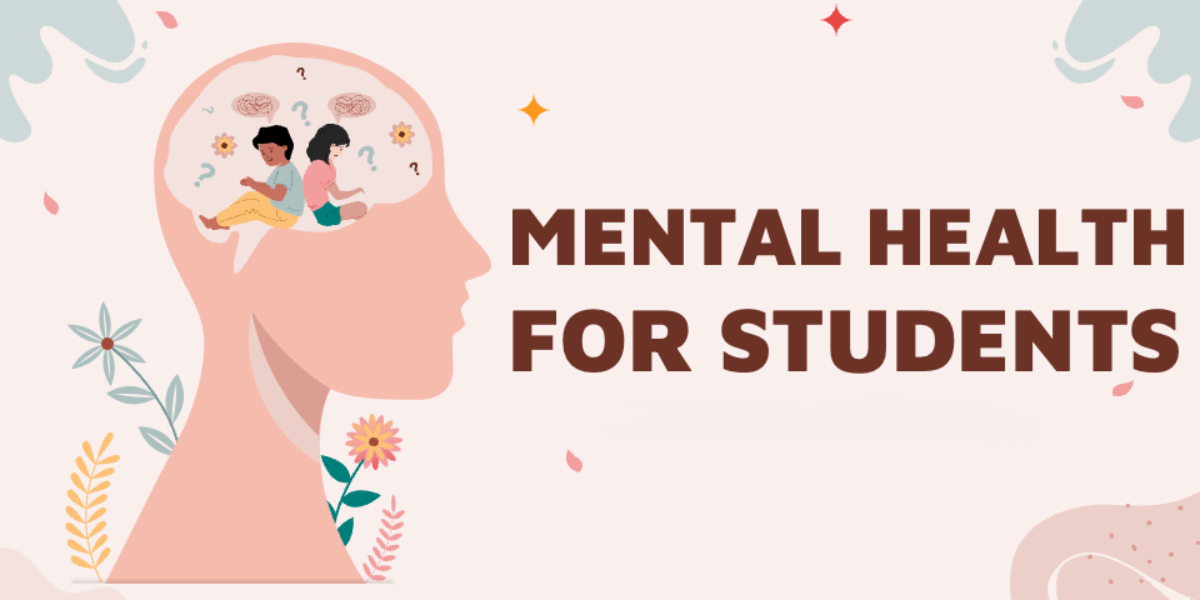
The journey toward a medical degree is often described as a marathon through a storm. While the destination is noble, the path is paved with immense academic pressure, sleep deprivation, and high-stakes examinations. At University Medical and Dental College, we believe that a student's mental well-being is the foundation of their professional success. To produce doctors who can heal others, we must first ensure they know how to take care of themselves.
Burnout in medical school is not just "feeling tired"; it is a state of emotional, physical, and mental exhaustion caused by excessive and prolonged stress. This article explores the unique challenges faced by medical students and provides practical strategies to maintain mental equilibrium.
Medical education is unique in its intensity. Students are required to memorize vast amounts of information in record time, often sacrificing social lives and hobbies.
Without proper intervention, these factors lead to burnout, which manifests as cynicism, a sense of reduced personal accomplishment, and chronic fatigue.
Preventing burnout requires a proactive approach rather than a reactive one. Here are practical tips to manage the pressure of medical college:
Don't just study until you drop. Use "Time Blocking" to schedule not only your lectures and revisions but also your rest. Treat a one-hour gym session or a dinner with friends as an unbreakable appointment. This prevents the "guilt" associated with not studying.
In medical school, you cannot learn 100% of everything in a single day. Learn to prioritize high-yield topics and accept that some days will be less productive than others. Protecting your peace of mind is more important than memorizing an obscure footnote at 3:00 AM.
Never isolate yourself. Peer support is one of the strongest buffers against stress. Form study groups that also function as emotional support groups. Talking to seniors can also provide perspective, as they have already navigated the hurdles you are currently facing.
A doctor who is mentally healthy is more empathetic, makes fewer clinical errors, and communicates better with patients. By mastering stress management now, you are preparing to lead the healthcare sector. Understanding this responsibility is a core part of how Future Doctors Can Improve Healthcare in Pakistan. If the healer is broken, the healing process for the patient is compromised.
There is often a stigma in the medical community about seeking help. However, recognizing that you are struggling is a sign of strength, not weakness. If you experience persistent sadness, changes in appetite, or a total loss of interest in your studies, it is time to consult a counselor or a mental health professional. Most modern campuses now offer confidential counseling services to support their students.
Your brain is a biological organ. It requires:
Mental health challenges in medical college are real, but they are not insurmountable. By implementing strategies like time management, seeking peer support, and maintaining physical health, students can protect themselves from the debilitating effects of burnout. As we strive to produce the best medical professionals at University Medical and Dental College, we remain committed to fostering a culture where mental health is prioritized alongside academic excellence. Remember, you cannot pour from an empty cup—take care of yourself so you can one day take care of the world.
For more insights into student wellness and academic life, visit our blogs section for regular updates and expert advice
Copyright 2026 UMDC.