



Date: May 25, 2026
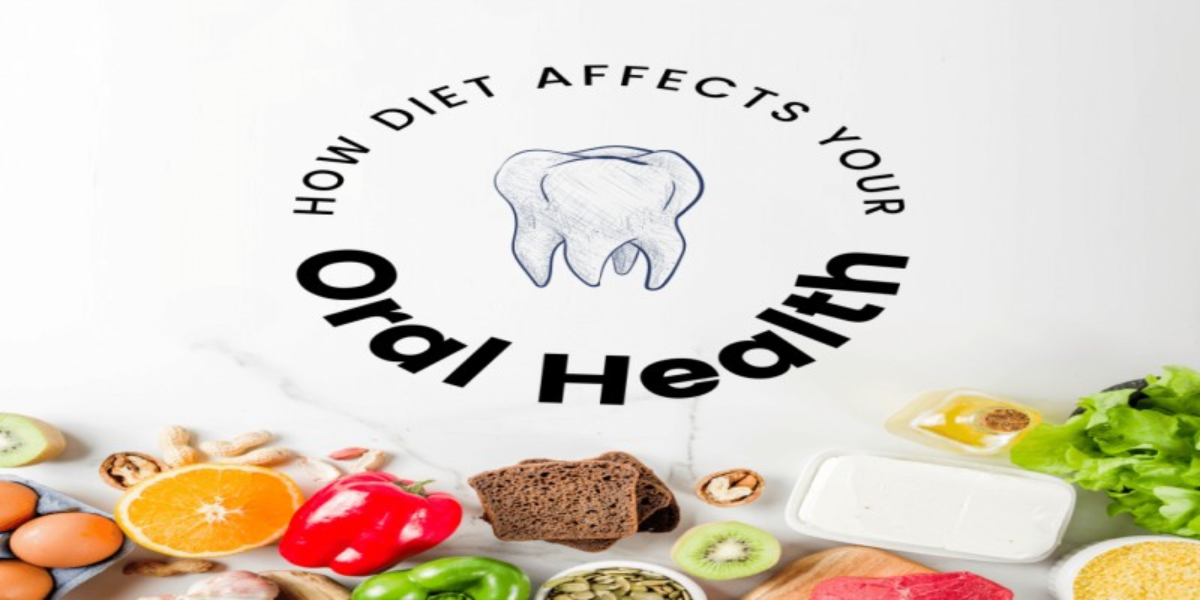
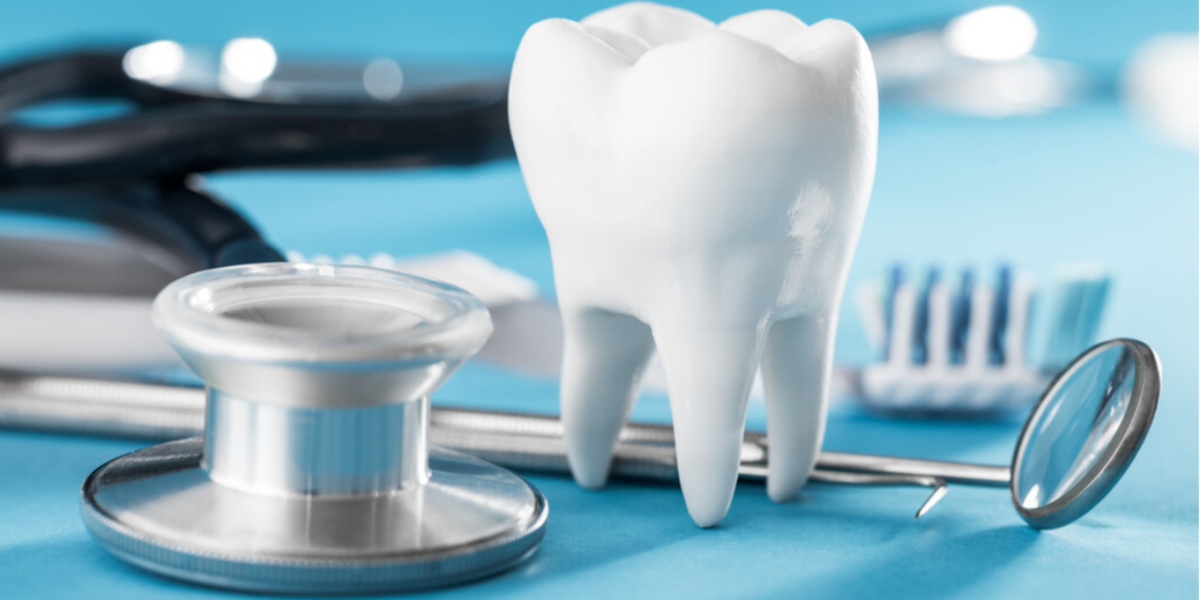
Most people are aware that sugar causes tooth decay, but the relationship between what we eat and the health of our mouths is much more complex than just avoiding sweets. Oral health serves as a window into the body’s overall nutritional status, and a poor diet can lead to a cascade of issues ranging from gum disease to bone loss in the jaw. For both dental students and the general public, understanding the systemic link between nutrition and the oral cavity is essential for long-term wellness.
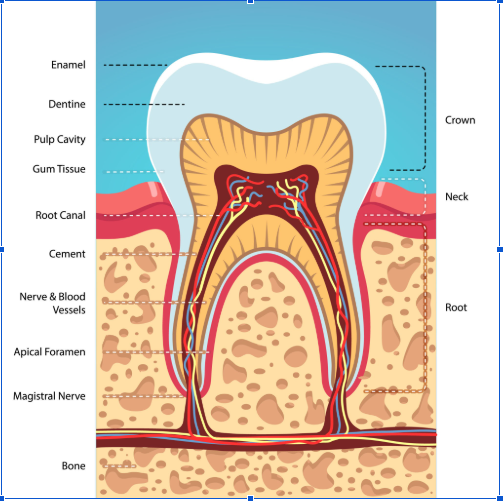
Our teeth and the supporting structures are made of living tissues that require constant nourishment. While fluoride is often the star of dental health conversations, several other micronutrients play a vital role in maintaining the integrity of our smiles.
These minerals are the primary building blocks of tooth enamel. Without adequate intake, the enamel becomes thin and porous, making it susceptible to erosion. For dental students studying the Study Guide for oral histology, the importance of these minerals in the remineralization process is a fundamental concept.
Vitamin C is essential for the production of collagen, which is the primary protein in the gums (gingiva) and periodontal ligaments. A deficiency in Vitamin C doesn't just cause bleeding gums; it can lead to advanced periodontal disease, where the teeth lose their structural support.
Vitamin D acts as a "gatekeeper" for calcium. Without it, your body cannot absorb the calcium you consume, regardless of how much dairy you eat. This synergy is a critical focus in Dental Clinical Sciences, where practitioners look at systemic health to treat local oral issues.
IconicBestiary
Explore
While sugar is the fuel for cavity-causing bacteria, the pH level of our mouth is the environment in which they thrive. Highly acidic foods and drinks—such as sodas, sports drinks, and even excessive citrus fruits can lower the oral pH, causing the enamel to soften.
Maintaining a healthy lifestyle is not just about what happens in the dental chair. Engaging in a balanced lifestyle that includes physical activity and social engagement can indirectly improve nutritional habits. This is why Co-Curricular Activities and Their Importance in Medical Colleges is such a vital topic; students who manage stress through diverse activities are more likely to maintain the healthy dietary habits necessary for their own physical and dental well-being.
As the demand for specialized dental care increases in Pakistan, the need for well-trained professionals who understand the intersection of nutrition and oral health is at an all-time high. For those looking to join this rewarding field, keeping an eye on Vacant Seats at reputable institutions can be the first step toward a career in transforming public health through dentistry.
Oral health is a vital component of general health, and nutrition is the thread that connects them. By moving beyond the simple "no sugar" rule and focusing on a nutrient-dense diet rich in vitamins and minerals, we can protect our teeth for a lifetime. Whether you are a student preparing for clinical practice or an individual looking to improve your hygiene, remember that every bite you take is either fighting disease or feeding it. Proper nutrition is the ultimate preventive medicine for a healthy, lasting smile. For more insights into clinical care and medical education, visit the UMDC Blogs section for expert-led articles.
Copyright 2026 UMDC.