



Date: May 05, 2026
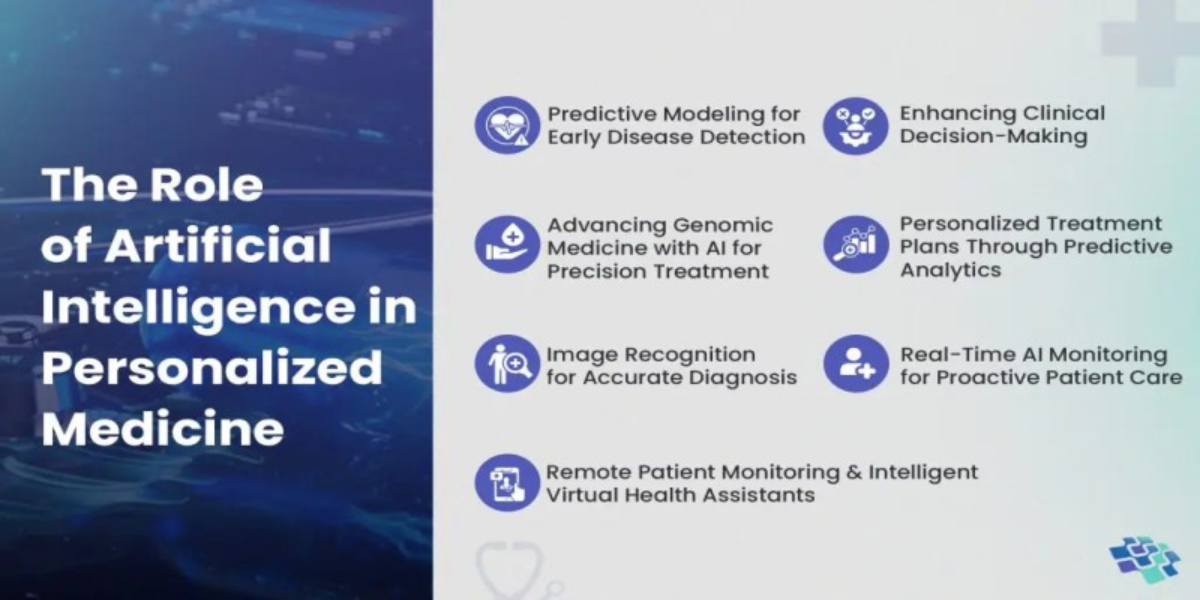
We are currently witnessing a monumental shift in the history of clinical practice. For decades, medical education and treatment protocols followed a "one-size-fits-all" approach. Students were taught to treat diseases based on a standard average derived from clinical trials. However, as medical students today, we are realizing that no two patients are truly the same. Every individual possesses a unique genetic blueprint, lifestyle, and environmental exposure.
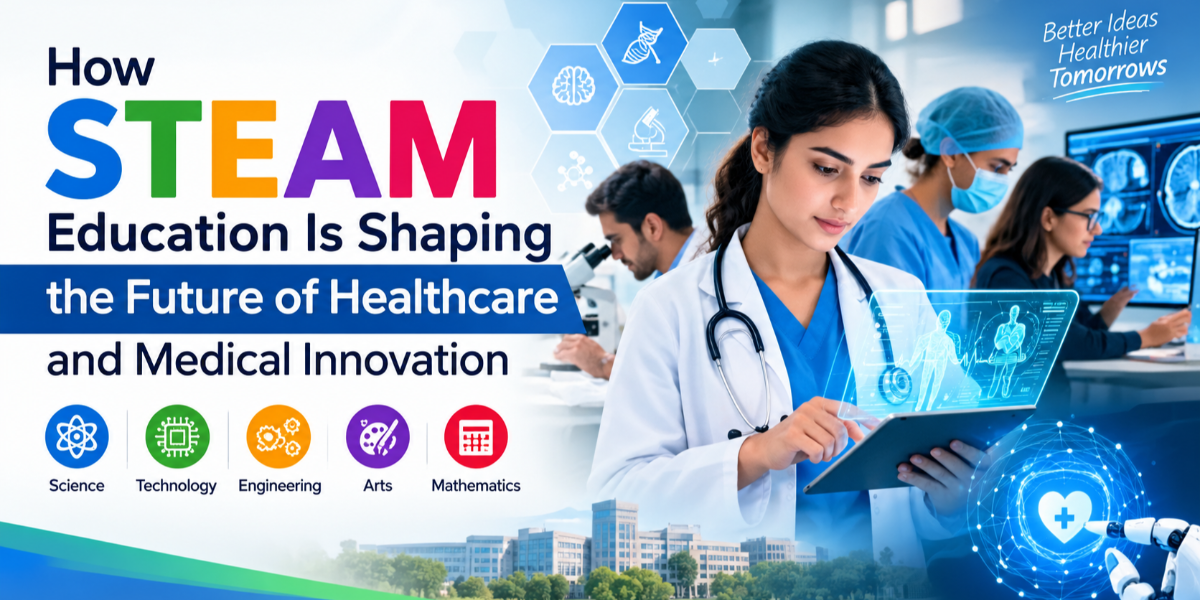
This realization has birthed the era of Personalized Medicine, and Artificial Intelligence (AI) is the engine driving this revolution. By analyzing massive datasets that are beyond human cognitive capacity, AI is helping us move toward a future where healthcare is as unique as a person's fingerprint.
Understanding the AI Revolution in Healthcare
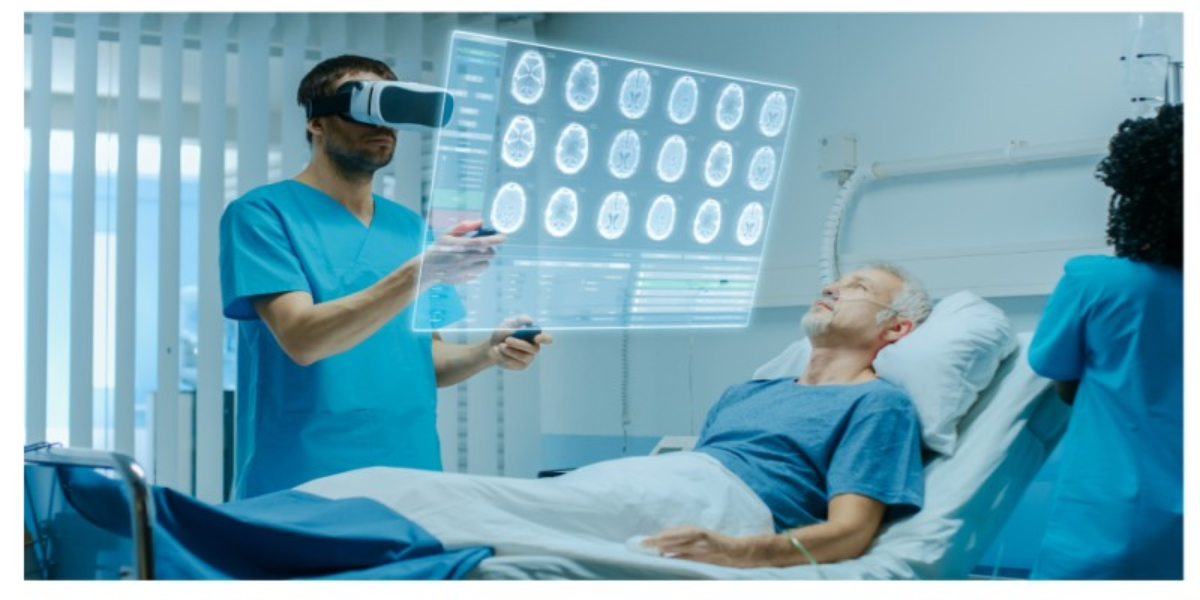
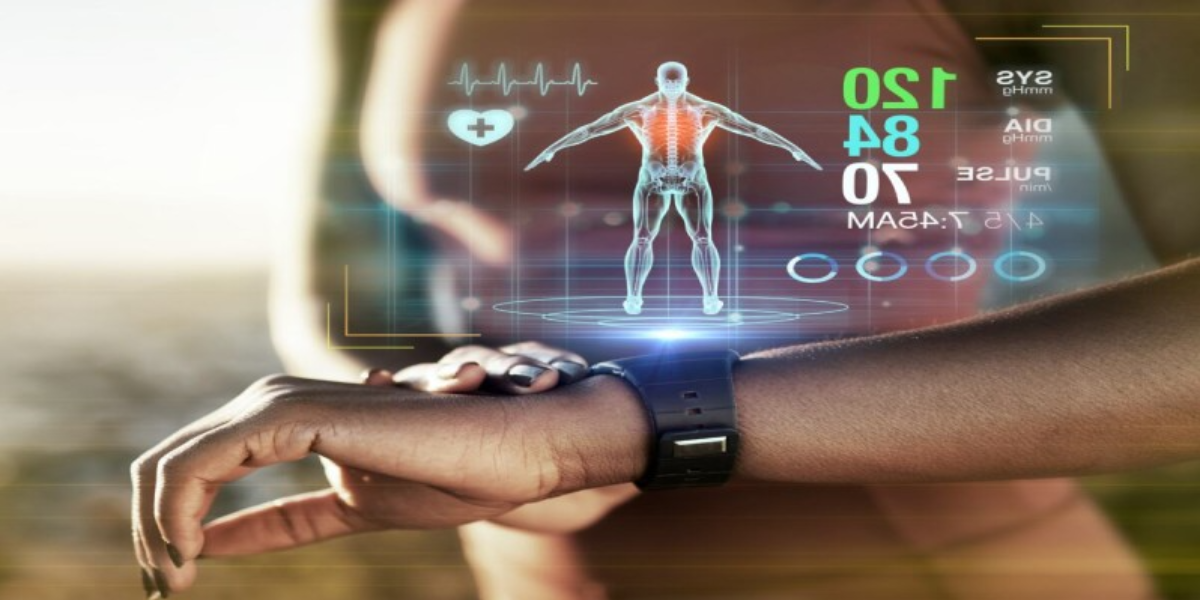
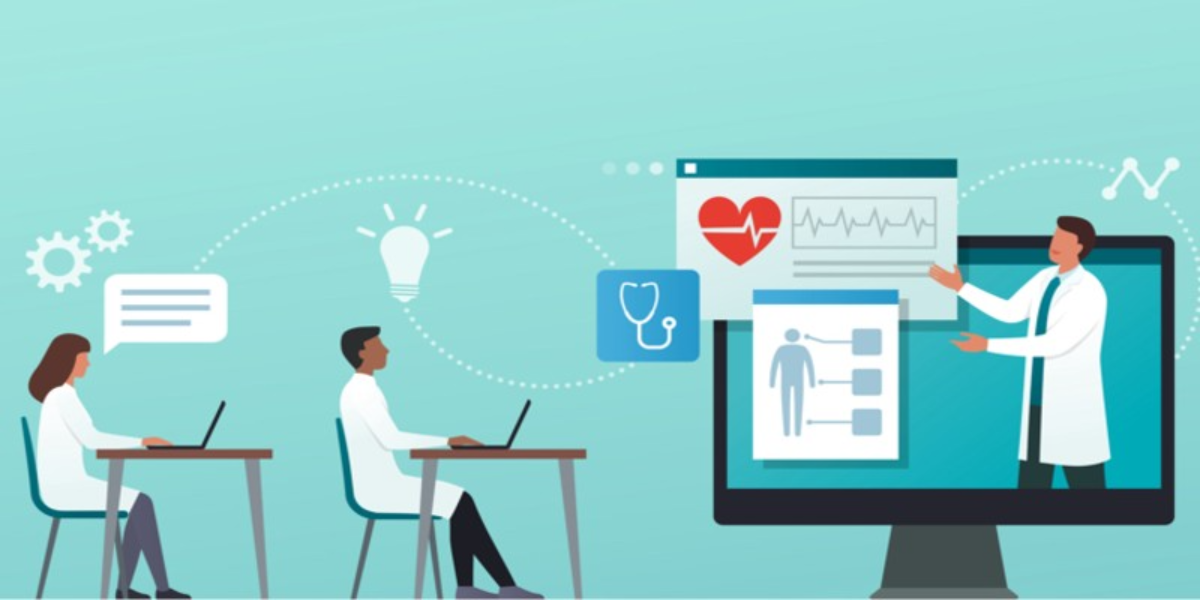
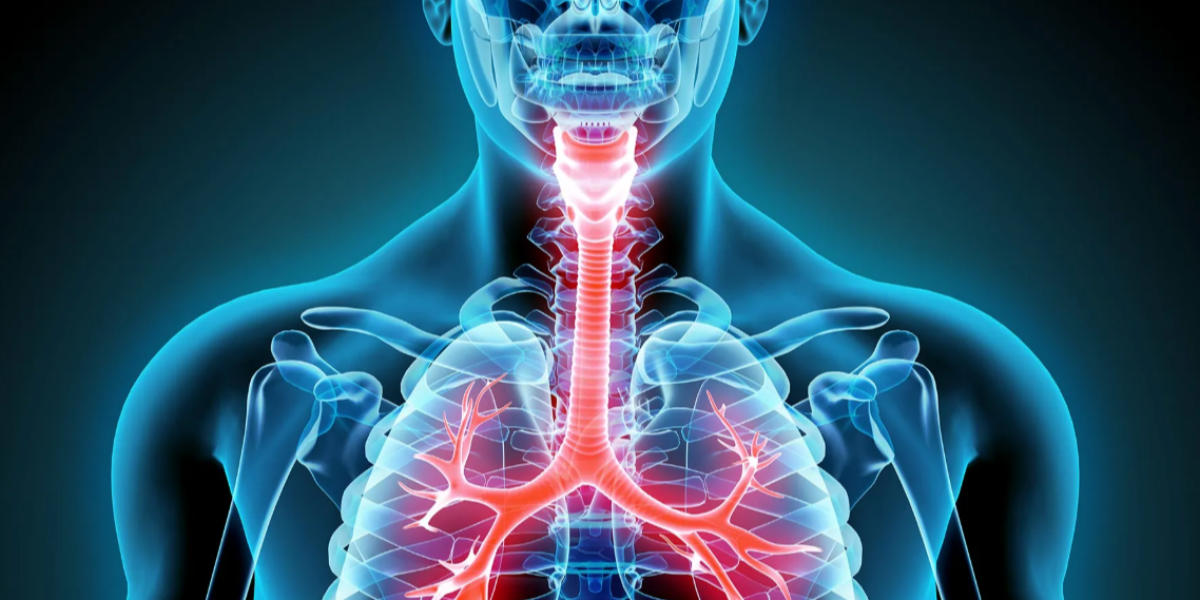
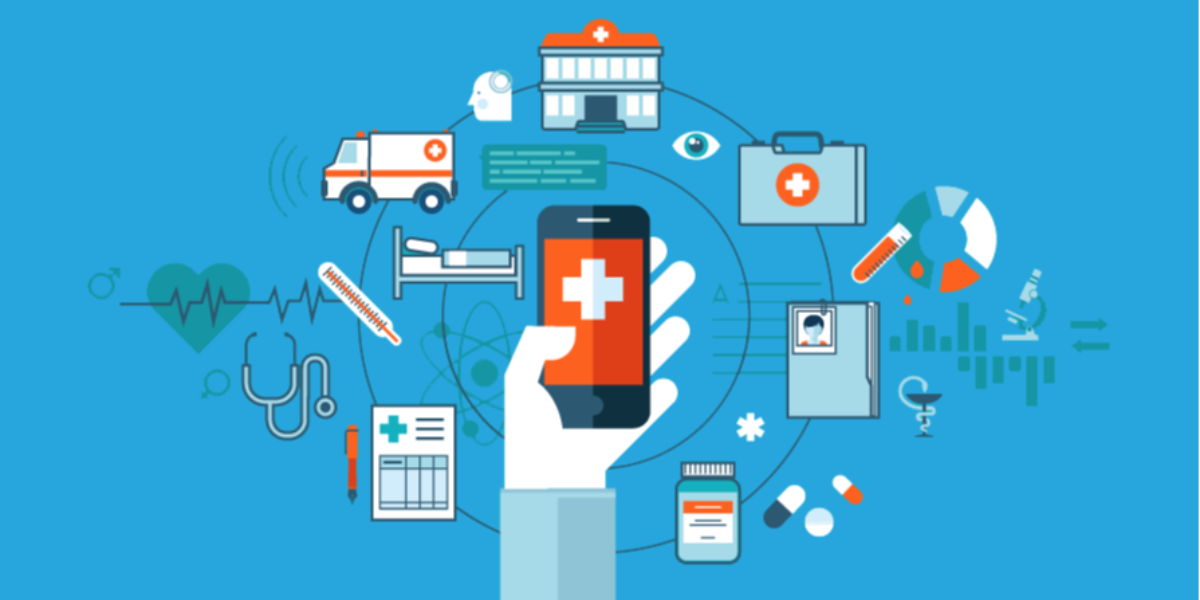
The primary challenge in modern medicine isn't a lack of data; it is an overwhelming abundance of it. Between electronic health records (EHRs), genomic sequences, and data from wearable devices, a single patient generates gigabytes of information. AI, specifically Machine Learning (ML) and Deep Learning, excels at finding patterns in this chaos.
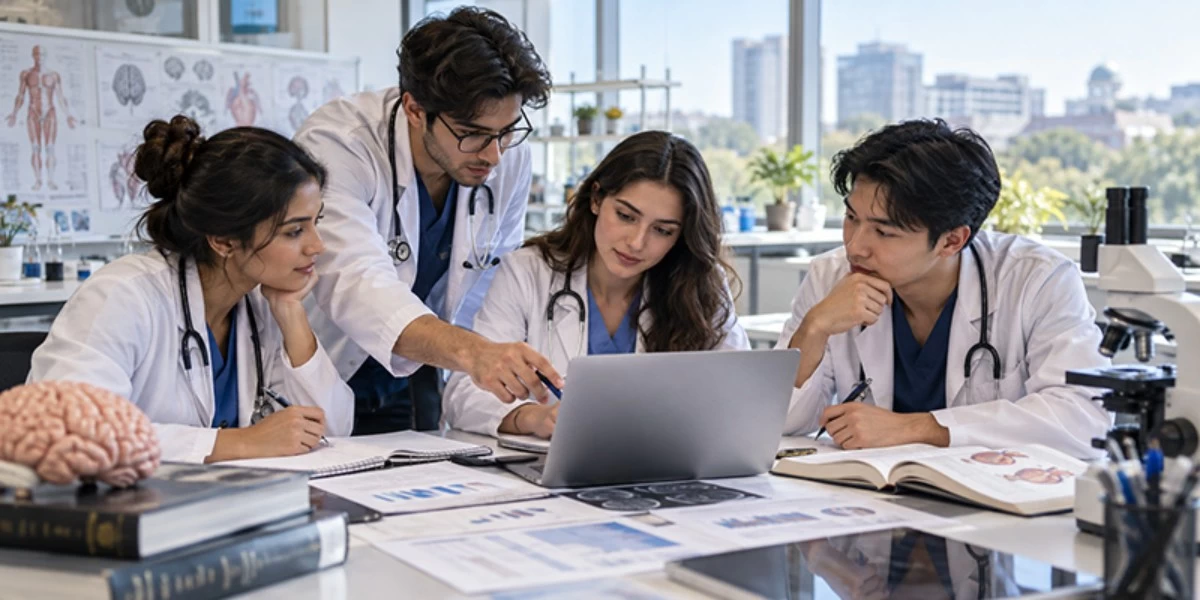
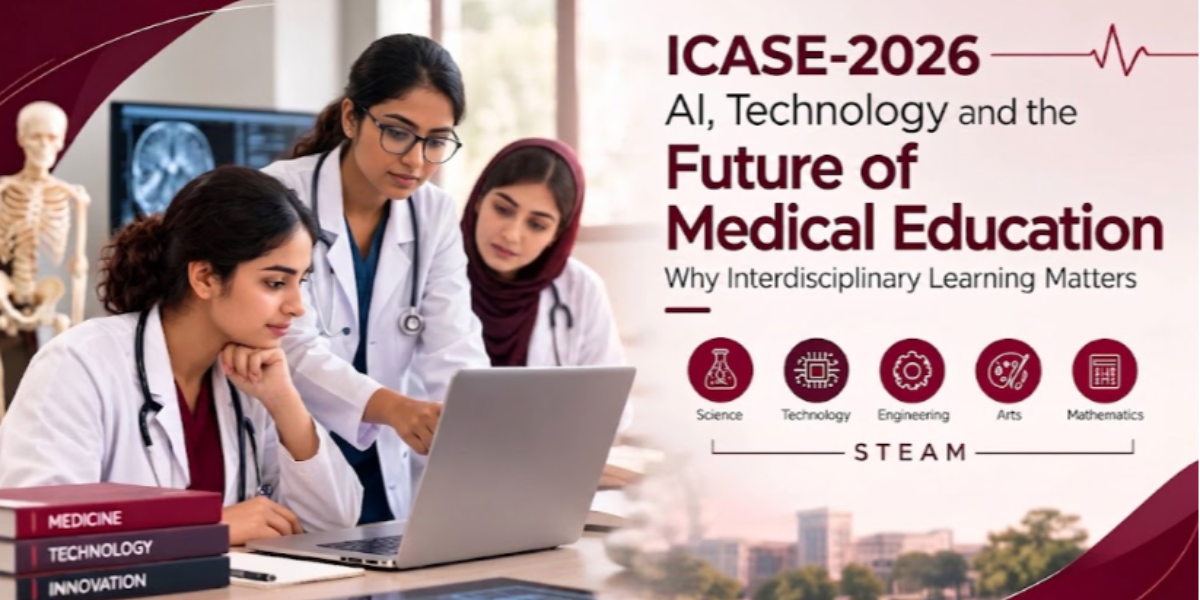
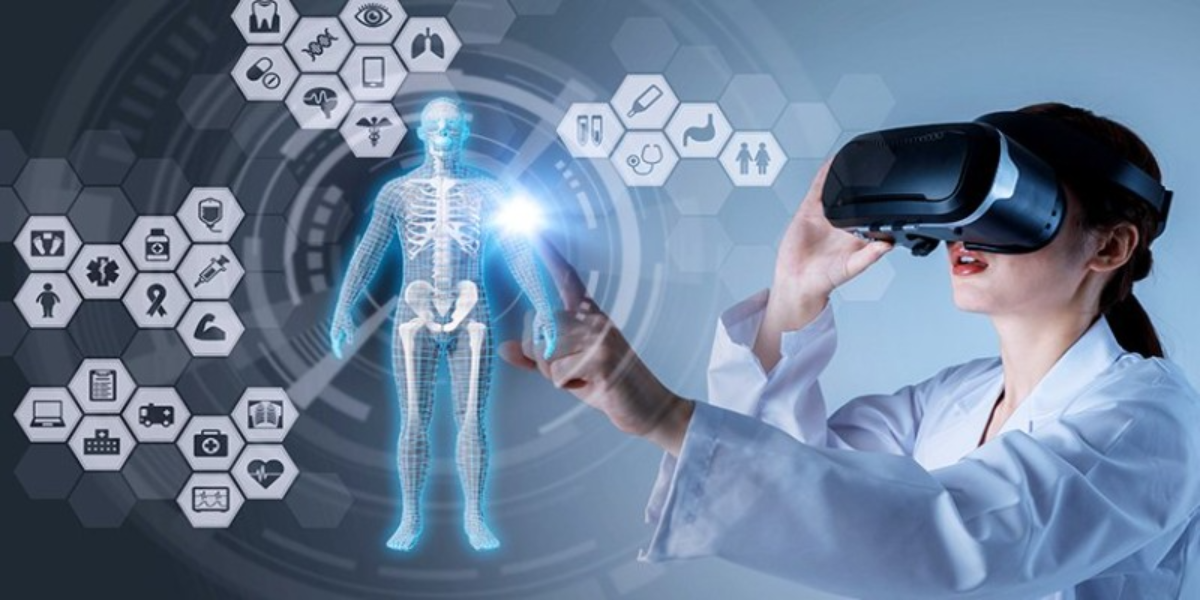
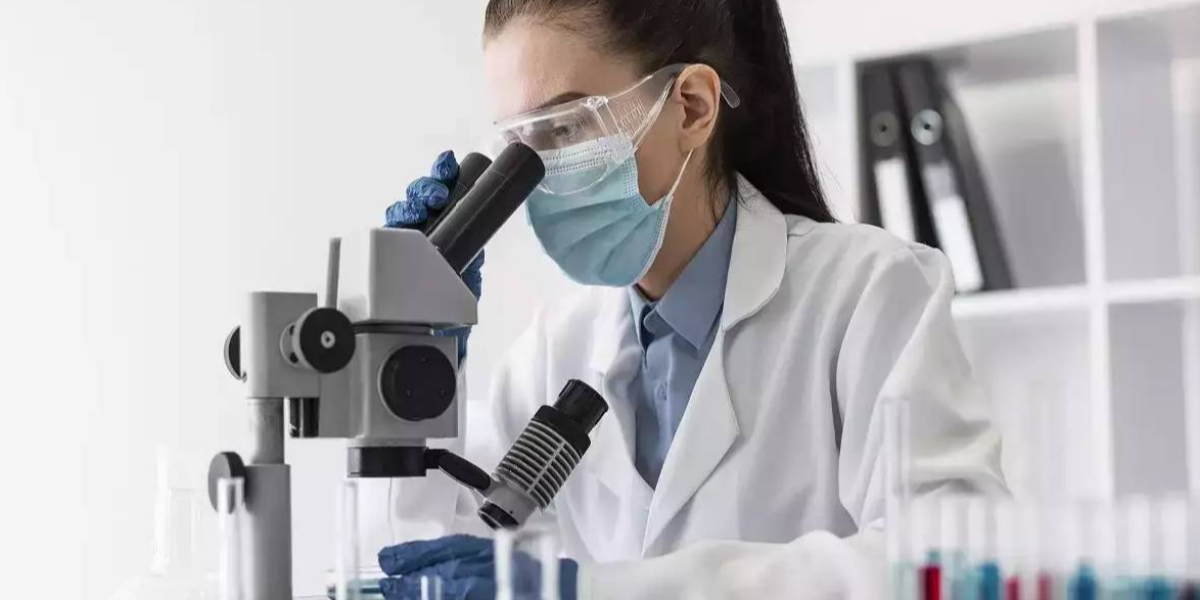
From a student’s perspective, AI is not a replacement for the physician but a powerful diagnostic ally. In our labs and lecture halls, we are learning that the integration of technology is essential. The Academic Facilities provided to students play a crucial role in mastering these modern tools, offering the simulation and digital resources needed to stay ahead in a tech-driven medical world.
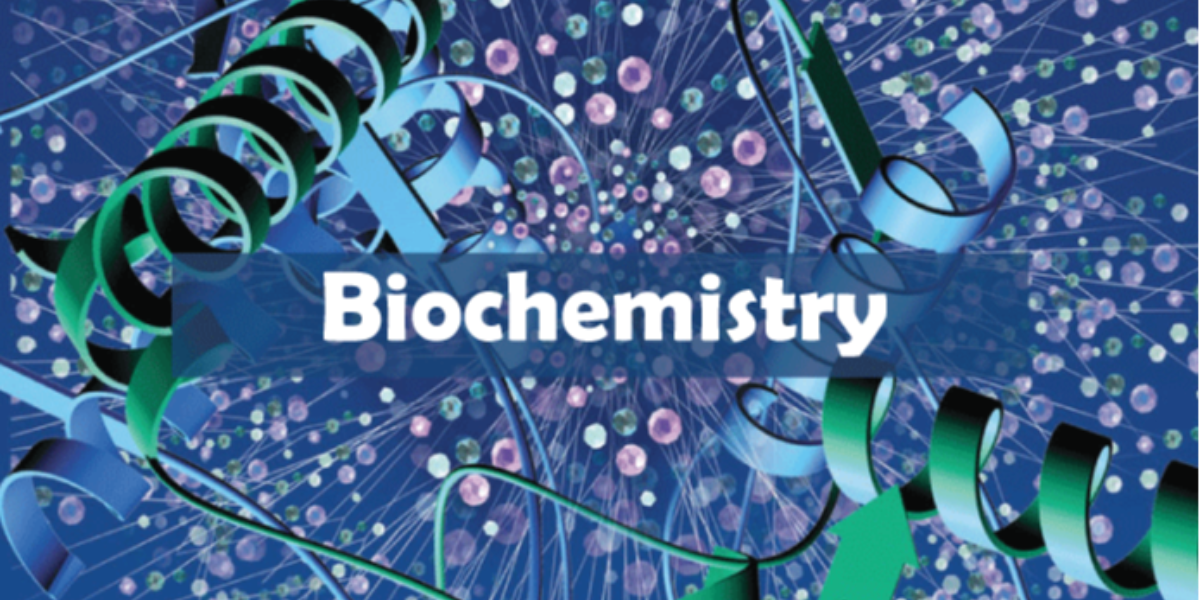
The human genome consists of over 3 billion base pairs. AI algorithms can identify subtle variations in these sequences that correlate with specific diseases. For a medical student, this means that in the future, we won't just treat symptoms; we will be "genomic detectives" using AI to decode the specific mutations driving a patient’s pathology.
In Oncology, AI models now analyze the genetic profile of a tumor to suggest targeted therapies. By matching the right drug to the specific mutation of the cancer cell, AI helps oncologists increase survival rates while reducing toxic side effects. This precision is a major leap forward from the broad-spectrum treatments of the past.
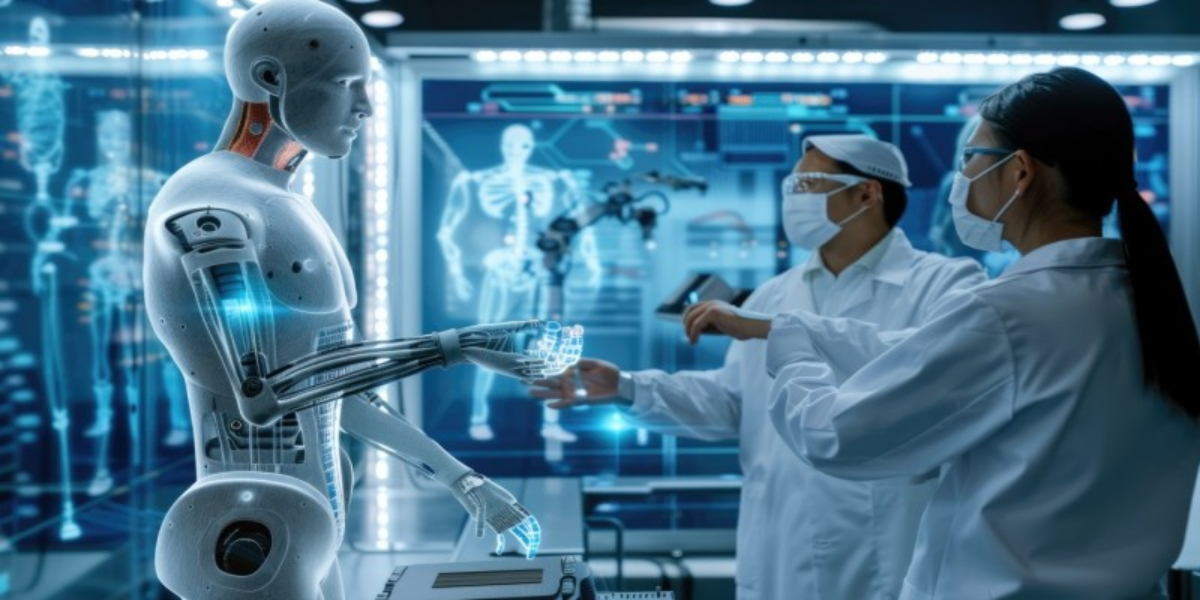
Developing a new drug traditionally takes over a decade and costs billions of dollars, with a high failure rate in clinical trials. AI is drastically shortening this timeline. Through "in silico" testing, AI can simulate how different drug molecules will interact with human proteins before a single physical experiment is conducted. This allows for a focus on rare diseases that were previously ignored due to high research costs.
As students, the rise of AI changes what it means to "learn medicine." We are no longer required to be mere storehouses of facts; instead, we must become masters of data interpretation and clinical judgment.
This balance between rigorous study and personal development is a key part of the experience. You can read more about how students balance these demands in the article Student Life at UMDC.
Despite the excitement, AI in medicine brings significant ethical hurdles. As the next generation of healthcare leaders, we must address:
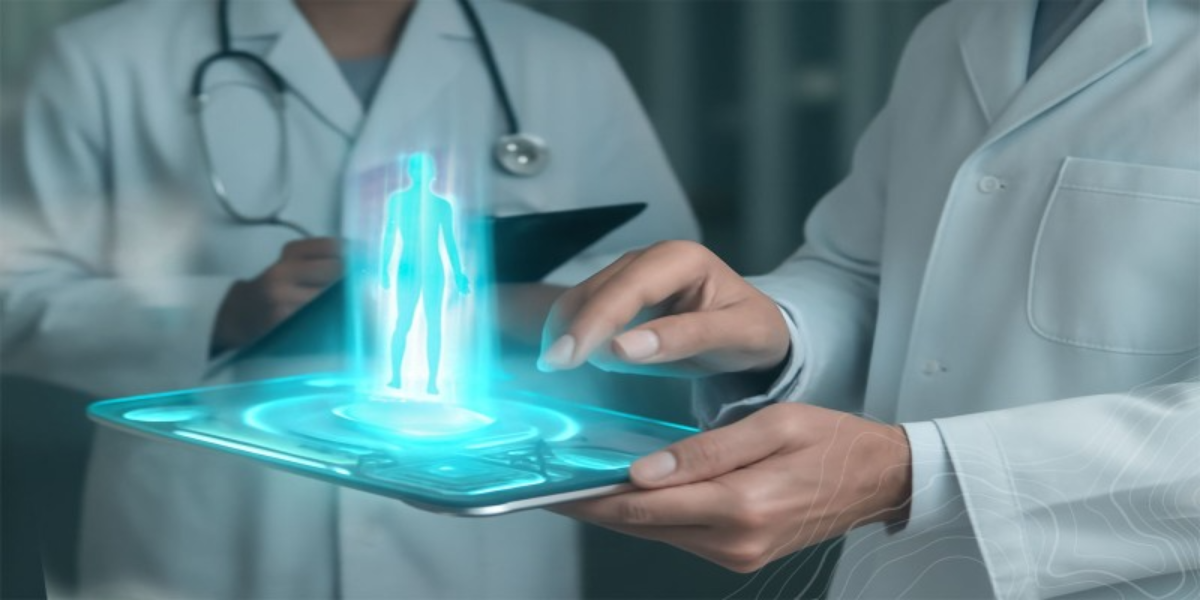
The ultimate goal of AI in personalized medicine is the creation of a "Digital Twin." Imagine a virtual model of a patient, updated in real-time with their biological data. Doctors could test different surgeries or medications on this digital replica to see the results before touching the actual patient. This would virtually eliminate the "trial and error" aspect of healthcare.
Artificial Intelligence is not just a tool; it is a paradigm shift that is making personalized medicine a reality. From decoding DNA to predicting heart attacks before they happen, AI is giving us the power to provide truly individualized care. For medical students, this is an exhilarating time to be in the field. We are the first generation of doctors who will have the power of supercomputing at our fingertips to help our patients. By staying curious, ethical, and technologically savvy, we can lead the way into a new era of human health.
To stay updated with the latest research and student achievements, be sure to visit our blogs section regularly.
Copyright 2026 UMDC.