



Date: Jul 15, 2026
Graduating from medical school is a monumental achievement, but entering the competitive landscape of residencies, fellowships, and clinical practices requires more than just a diploma. A compelling Curriculum Vitae (CV) serves as your professional introduction, showcasing your dedication, capabilities, and unique journey long before you sit down for an interview. For future doctors, building this document is a strategic process that should begin on day one of your medical education.
By actively seeking opportunities outside the lecture hall, you can transform a standard academic record into an exceptional professional portfolio.
The bedrock of any medical CV is academic excellence and a thorough understanding of your educational pathway. Residency directors look closely at how you navigated your foundational years, as it reflects your clinical reasoning and dedication.
Understanding your specific academic timeline helps you strategically place milestones on your CV. For instance, students tracking their progress through a comprehensive framework like the MBBS Programme Structure can better align their elective rotations and study periods with their long-term career goals. Demonstrating that you understand the progression of your training shows foresight and professional maturity.
Furthermore, being well-versed in your institution's specific educational standards allows you to highlight relevant coursework or specialized modules. Aligning your achievements with a rigorous Curriculum for MBBS proves to prospective employers that your knowledge base is built on modern, internationally recognized medical standards.
While high grades are essential, practical exposure and scientific inquiry are what truly set a CV apart from the crowd.
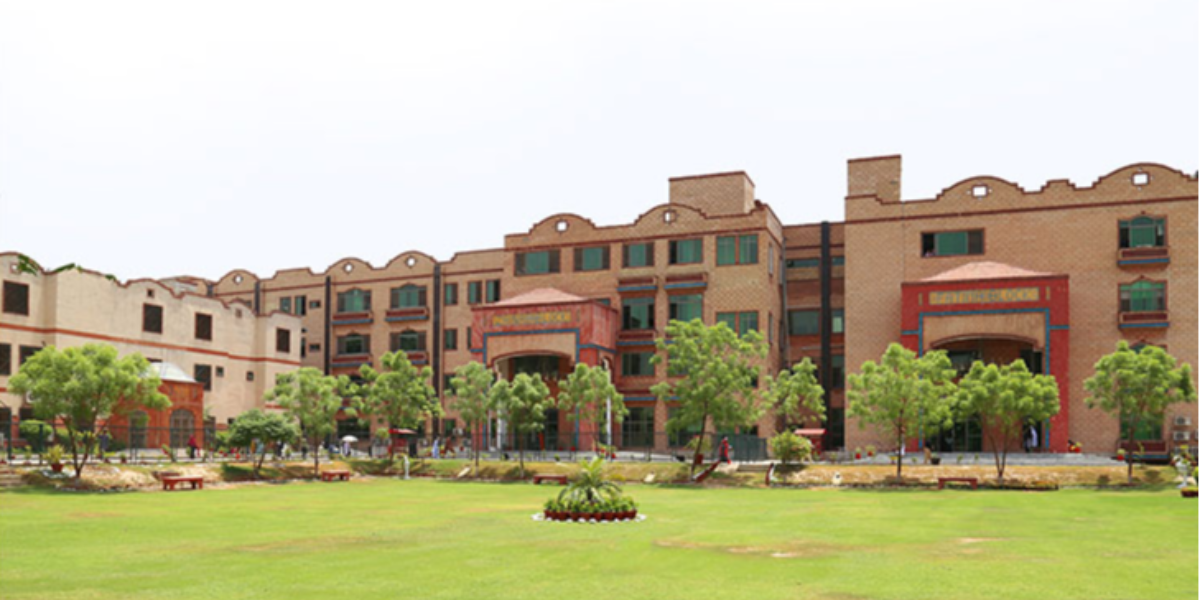
Hands-on experience in diverse clinical environments demonstrates adaptability and strong patient-communication skills. Actively seek out electives in highly regarded tertiary care hospitals where you can expose yourself to a vast array of medical cases and cutting-edge diagnostic tools. Learning from seasoned clinicians in an esteemed environment, such as the University Medical and Dental College, ensures that your clinical foundation is both robust and diverse, giving you excellent talking points during your residency interviews.
Participation in research projects indicates that you are committed to the advancement of evidence-based medicine. You do not necessarily need to be the primary author on a major study to make an impact. Contributing to literature reviews, assisting in data collection for clinical trials, or presenting a poster case report at a local medical conference all add tremendous weight to your CV. It shows that you possess analytical skills and a desire to contribute to the broader scientific community.
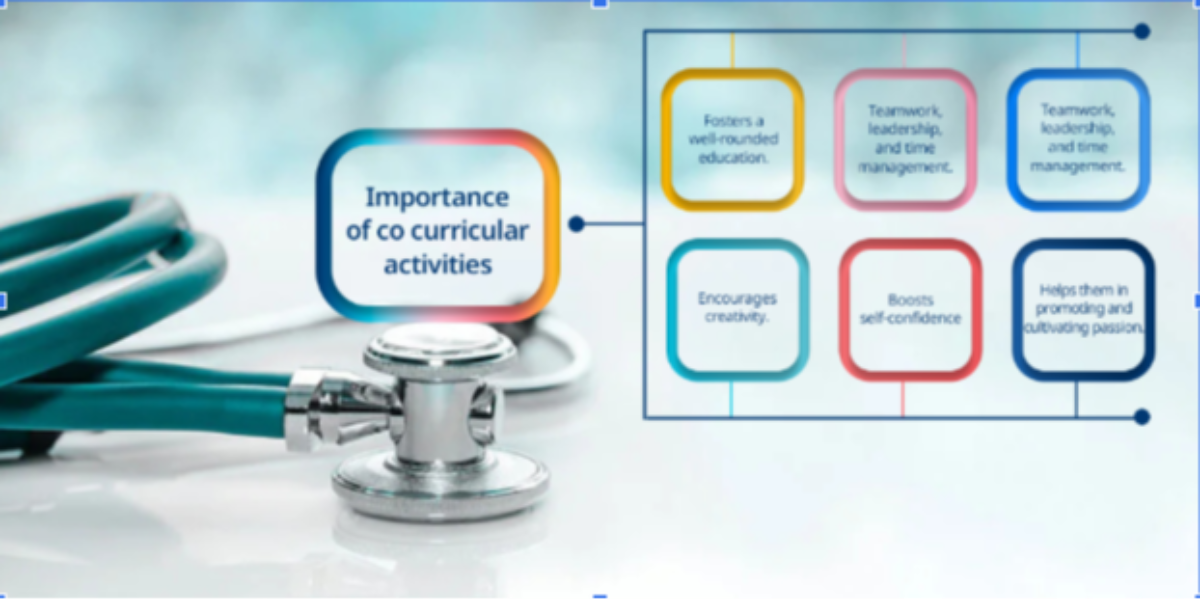
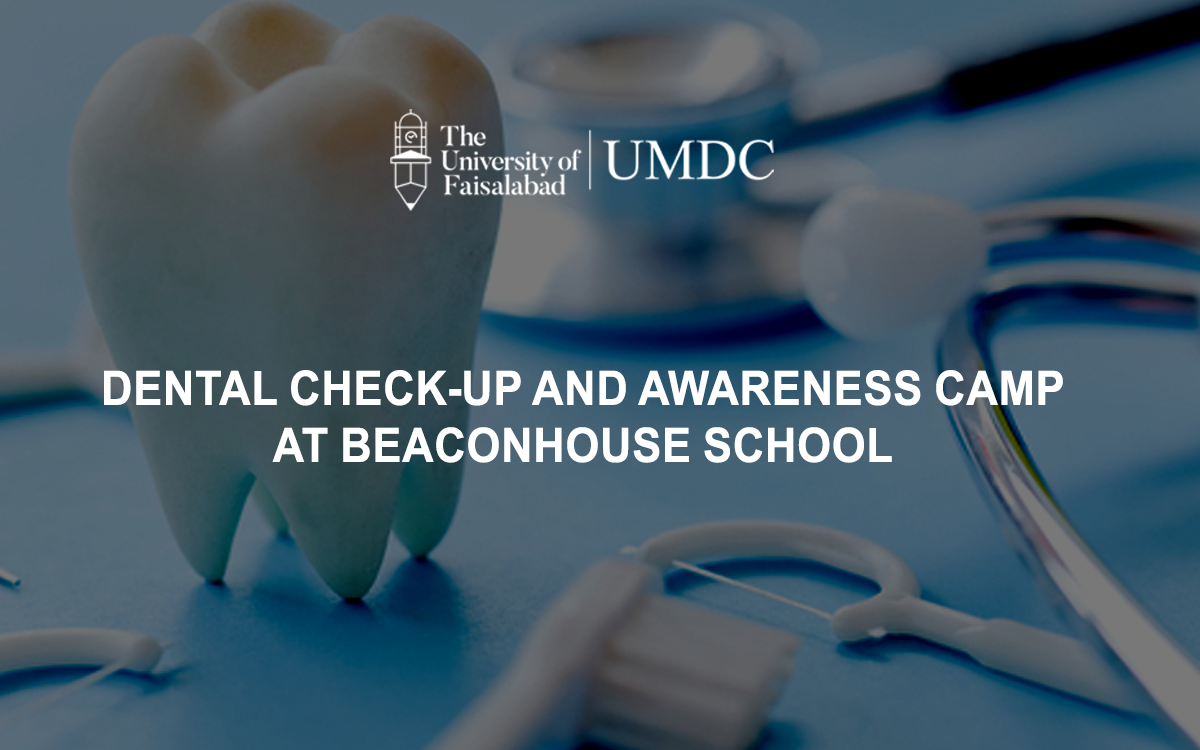
Medical boards and residency committees look for well-rounded individuals who will bring leadership and empathy to their healthcare systems. Getting involved in student councils, organizing medical camps, or volunteering for public health awareness campaigns showcases your ability to work within a team and serve vulnerable populations.
If you are a prospective student or early-stage medical undergraduate looking to enter a structured environment that fosters these exact opportunities, it is wise to consult a comprehensive Admission Guide to understand the co-curricular expectations and support systems available at the university level.
Building a stellar medical CV before graduation is not about padding your resume with arbitrary certificates; it is about deliberately collecting meaningful experiences that reflect your growth as a future physician. By balancing your core academic requirements with impactful research, diverse clinical exposure, and community leadership, you present yourself as a prepared, competent, and deeply compassionate professional ready to take on the challenges of modern healthcare
Copyright 2026 UMDC.