



Date: Jul 01, 2026
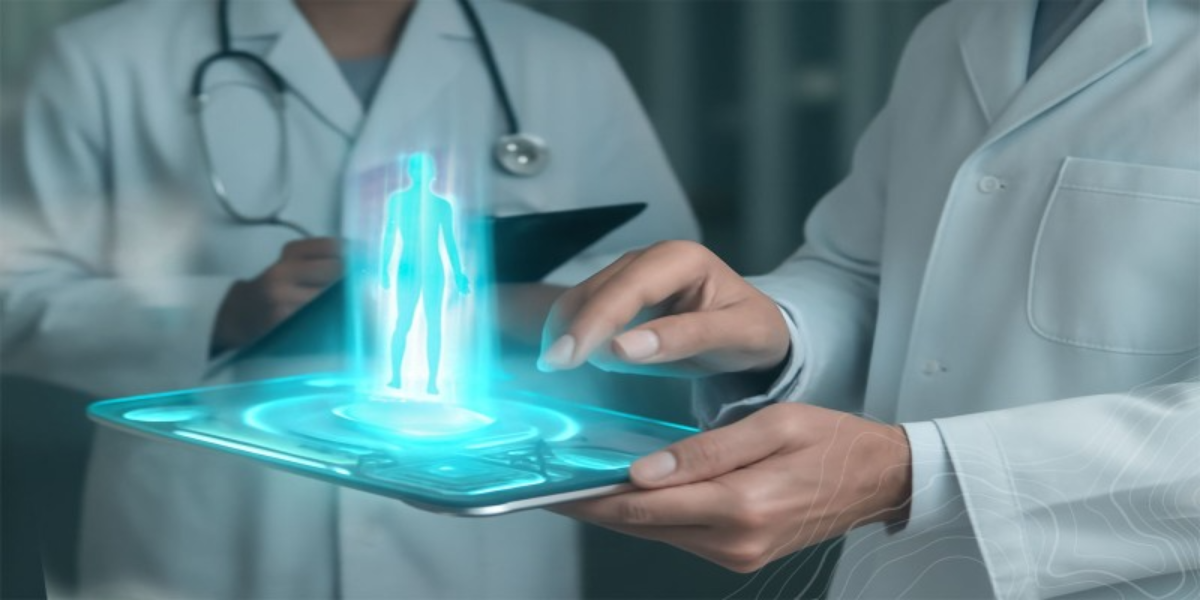
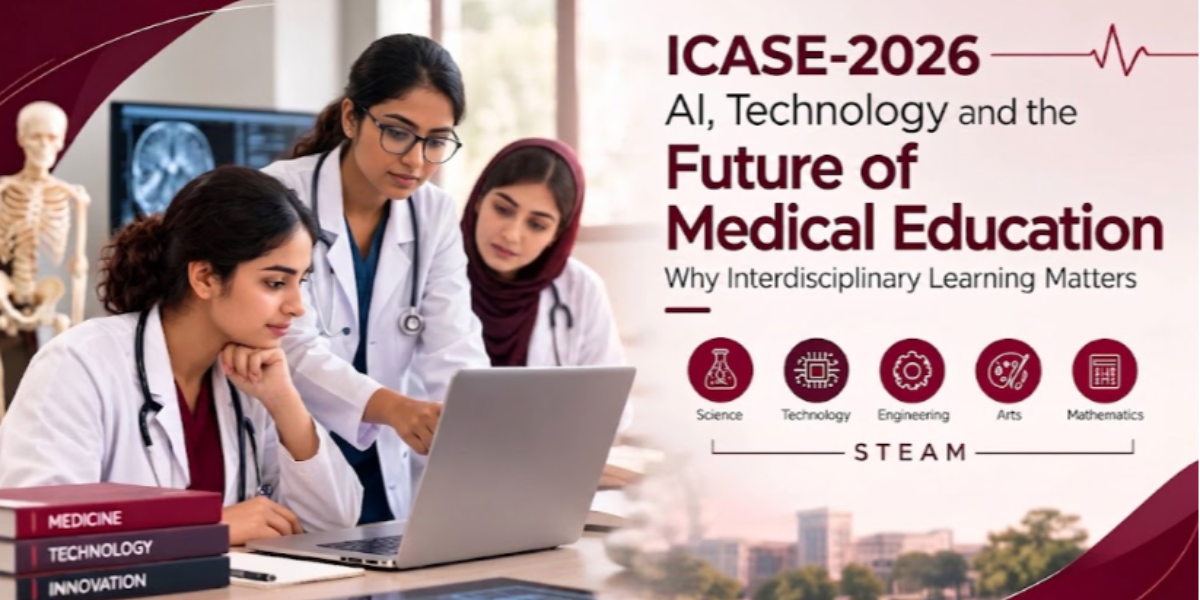
The landscape of medical education is undergoing a profound transformation. As technological advancements accelerate, artificial intelligence has moved from the realm of science fiction into the lecture halls and anatomy labs of contemporary medical schools. This shift often sparks a crucial question: Will AI eventually replace physicians?
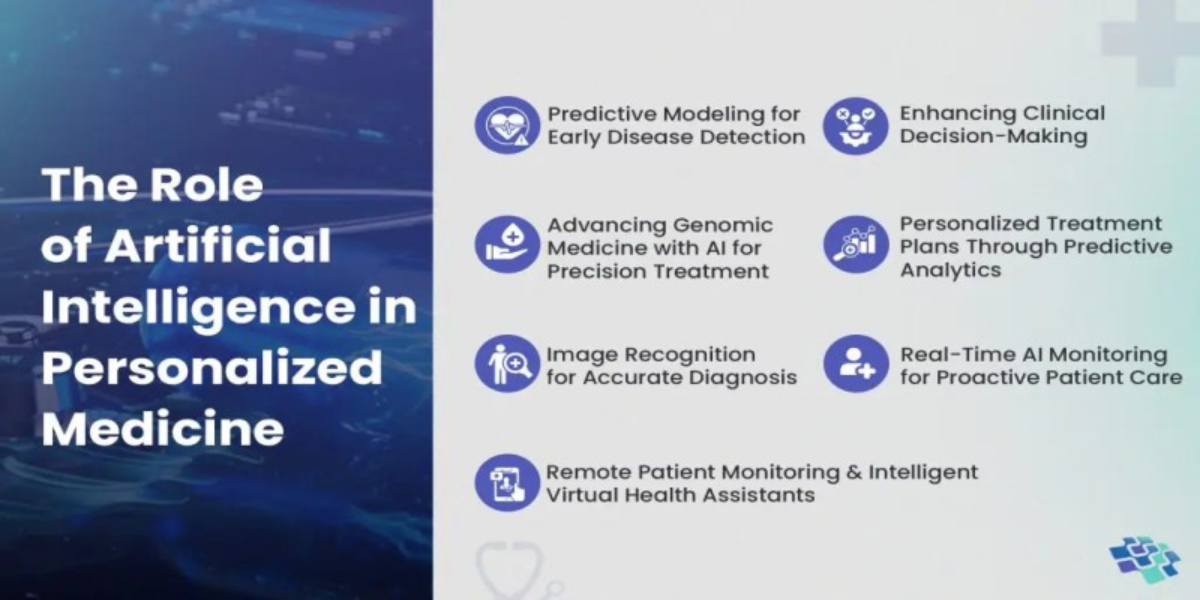
The consensus among educators and clinicians is a resounding no. Instead, artificial intelligence is serving as a powerful catalyst, reshaping how future doctors learn, practice, and prepare for an increasingly complex healthcare environment. By automating routine training tasks and providing sophisticated simulations, AI allows medical students to focus more deeply on clinical reasoning and the human elements of medicine.
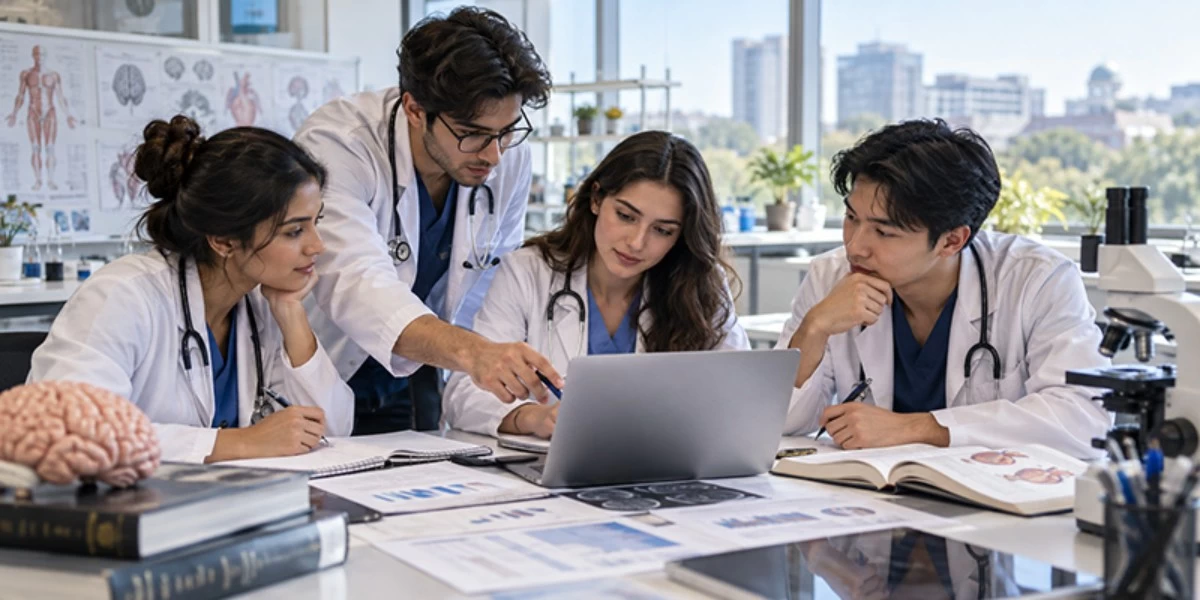
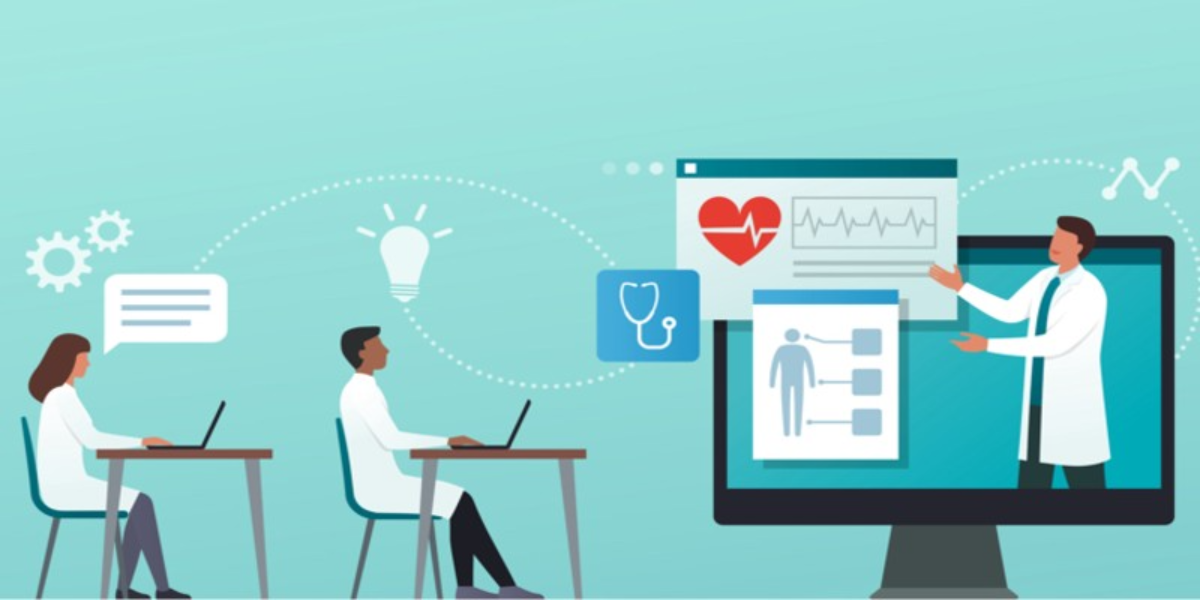
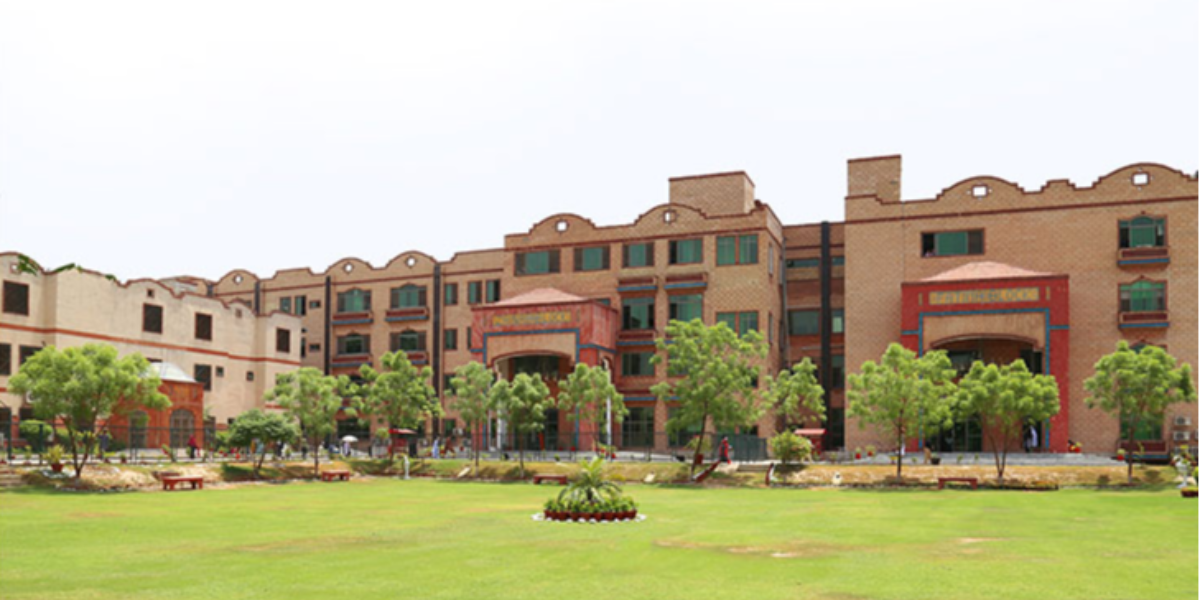
Traditional medical education has long relied on rote memorization and rigid lecturing schedules. However, institutions like the University Medical And Dental College are witnessing a paradigm shift where intelligent systems augment traditional curricula. AI-driven platforms can analyze a student's performance in real time, identifying specific areas of weakness and tailoring study modules to bridge those gaps. This level of personalized learning ensures that students achieve mastery over complex physiological concepts before moving on to clinical rotations.
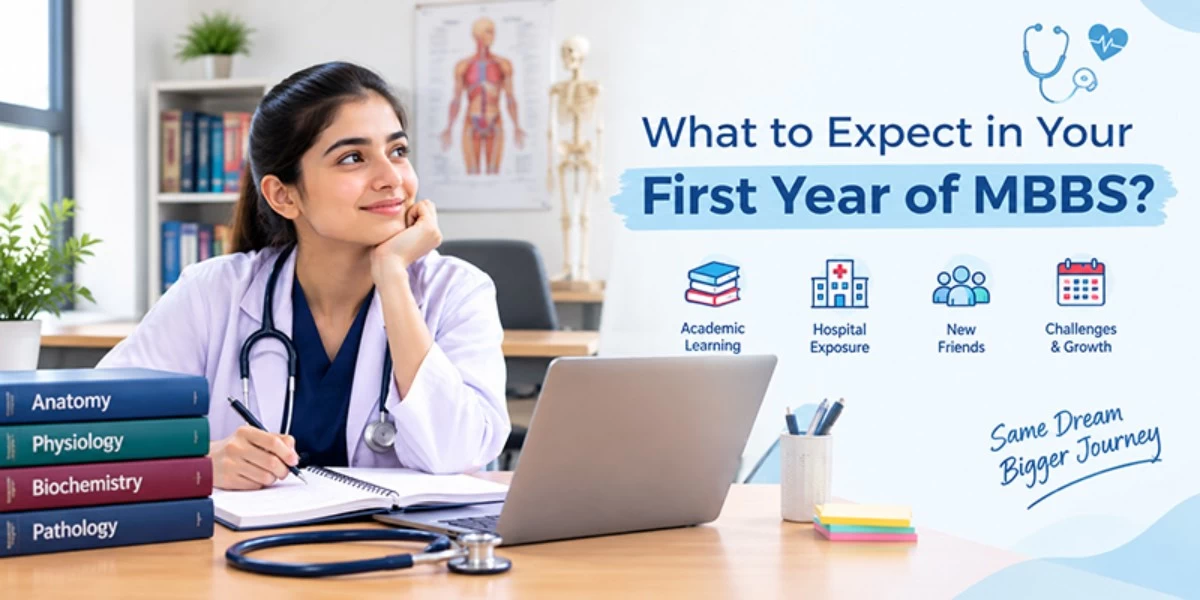
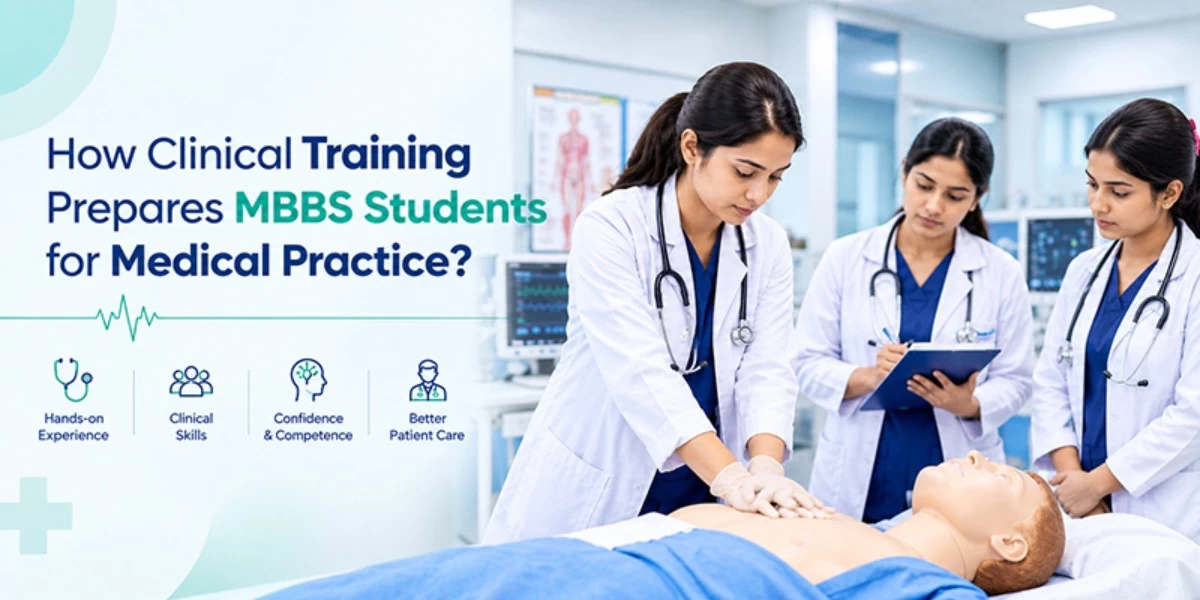
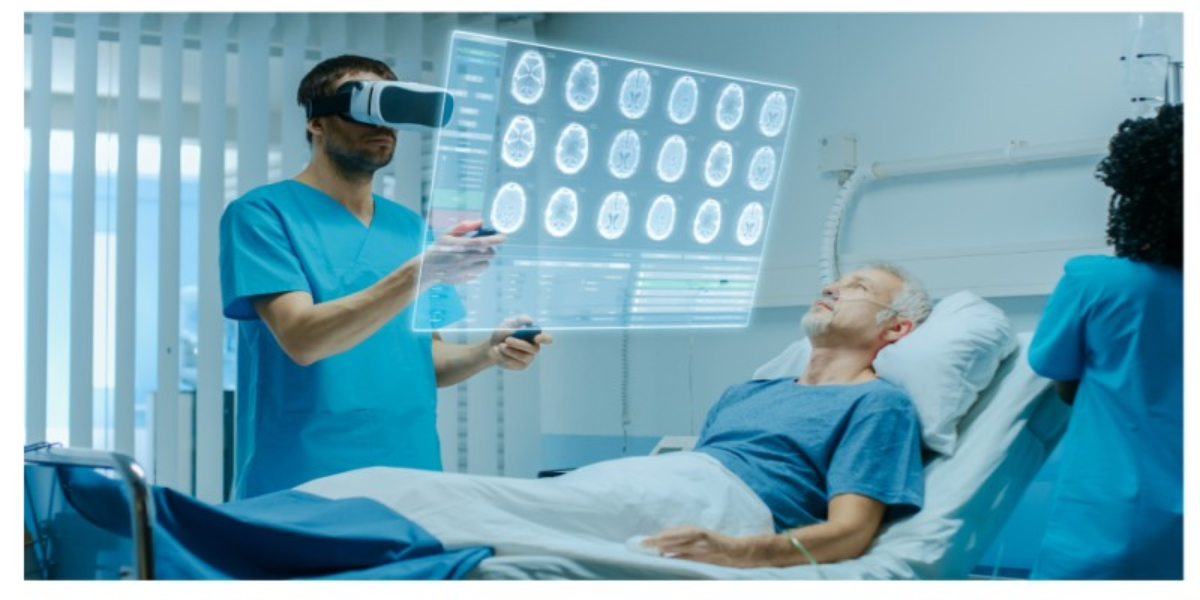
The integration of technology modifies how comprehensive medical programs are delivered. When examining a modern MBBS programme structure, it becomes evident that the modern curriculum must balance foundational biomedical sciences with early clinical exposure. Artificial intelligence facilitates this by providing virtual patients and interactive case studies that students can access at any time. These tools simulate diverse clinical scenarios, allowing undergraduates to practice diagnostic reasoning and decision-making in a risk-free environment, effectively preparing them for real-world patient interactions.
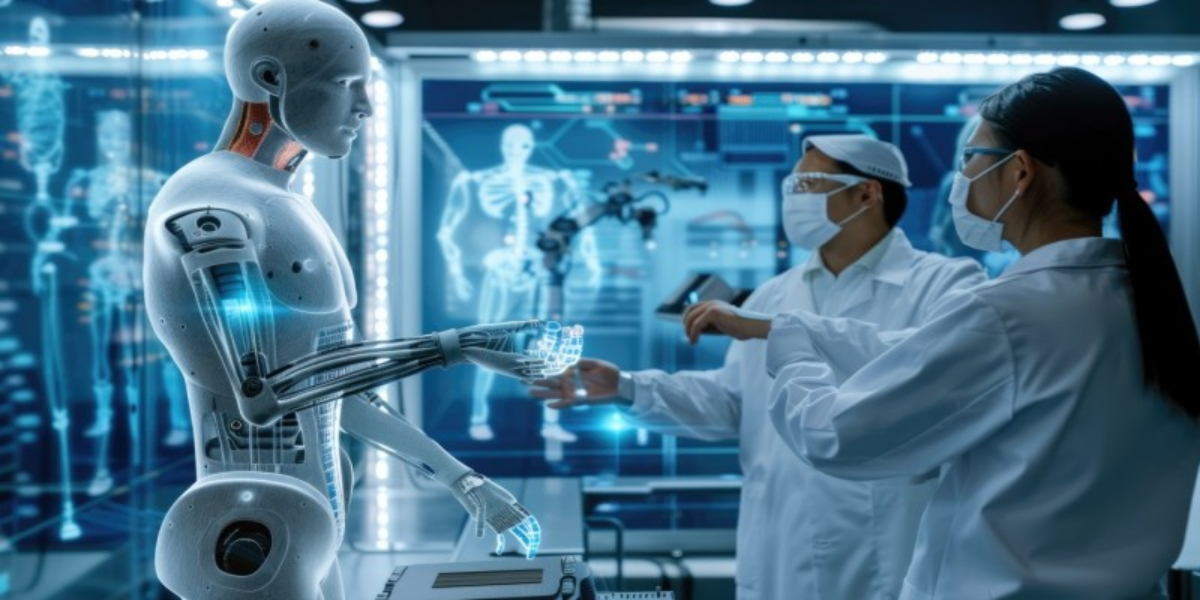
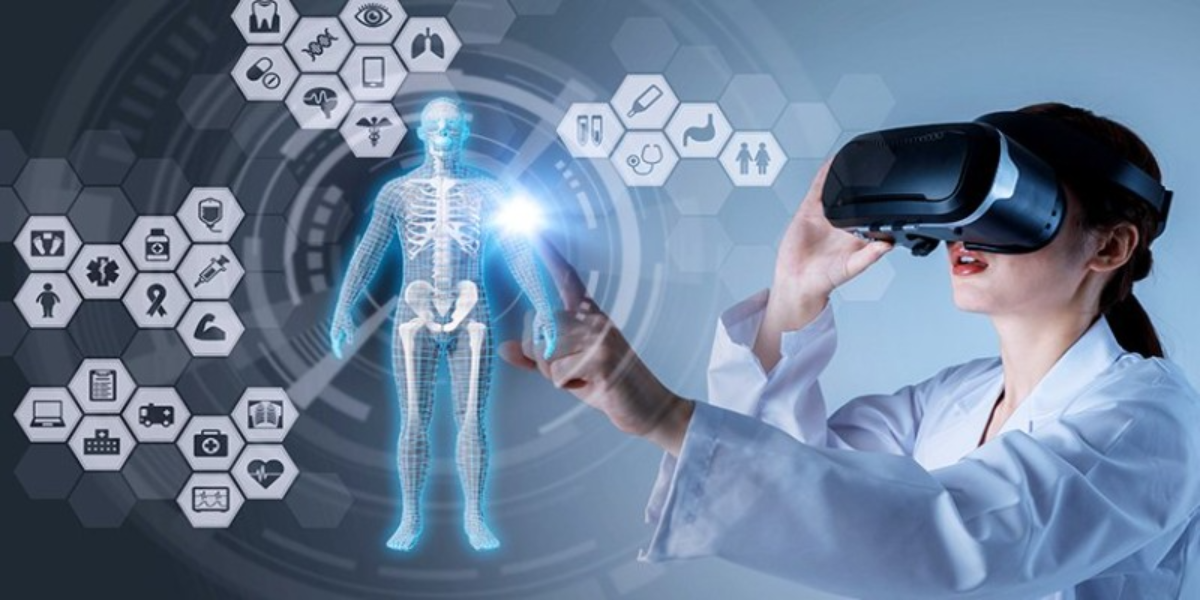
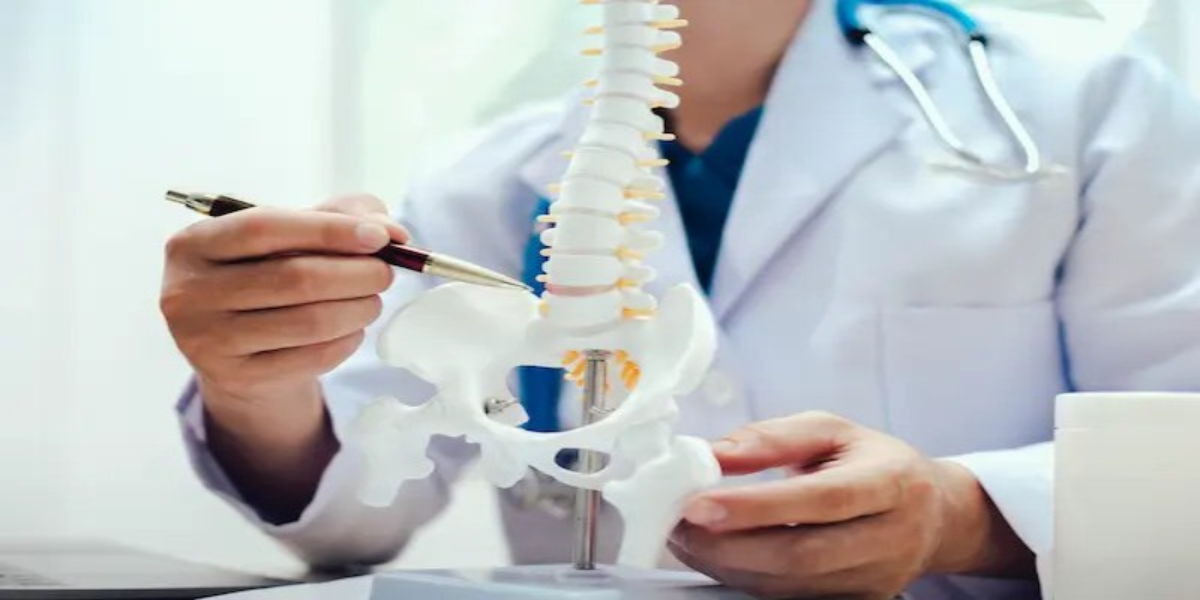
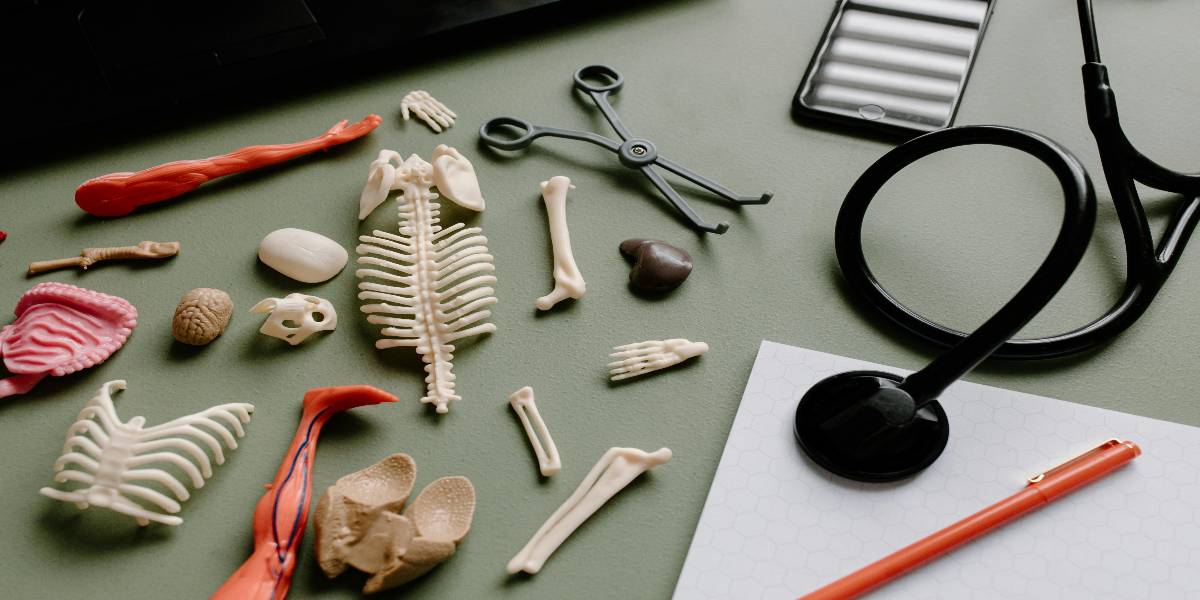
Beyond textbooks, AI combined with virtual and augmented reality is revolutionizing how students grasp human anatomy. Instead of relying solely on cadavers, which are limited in availability and cannot simulate active pathologies, students can now interact with three-dimensional, AI-generated anatomical models. These models can simulate blood flow, muscle movement, and the progression of diseases, offering a dynamic understanding of the human body that static illustrations simply cannot match.
While AI excels at processing massive datasets and recognizing patterns, it lacks the critical thinking, ethical judgment, and empathy required of a practicing physician. Therefore, the rise of AI in medicine underscores the need for students to develop robust analytical and research skills early in their careers. Medical training is no longer just about absorbing existing knowledge, but also about learning how to evaluate new data critically.
As technology handles more of the information retrieval aspects of medicine, the human focus shifts toward generating new knowledge and validating technological insights. This shift highlights The Importance of Research Publications During MBBS, which teaches students how to formulate hypotheses, conduct rigorous methodologies, and contribute meaningfully to the global medical community. Engaging in research ensures that future doctors do not blindly rely on AI algorithms but instead possess the critical faculties to question, test, and improve the tools at their disposal.
Ultimately, the goal of incorporating artificial intelligence into medical education is to produce better doctors, not to engineer automated substitutes. Medicine remains a deeply human endeavor rooted in empathy, communication, and trust. An AI can suggest a differential diagnosis based on a list of symptoms, but it cannot comfort a grieving family, navigate complex ethical dilemmas at a patient's bedside, or understand the subtle nuances of a patient's cultural background.
By delegating data-heavy tasks and repetitive learning modules to intelligent software, medical education can dedicate more time to teaching the art of healing. Future physicians will graduate not as data repositories, but as highly skilled, empathetic leaders who use artificial intelligence as a sophisticated stethoscope, a tool that enhances their diagnostic capabilities while leaving the core of the doctor-patient relationship firmly in human hands.
Artificial intelligence is not a replacement for the human physician, but rather an evolution of the tools at their disposal. By transforming medical education, AI frees students from the burden of pure rote memorization, allowing them to focus on critical thinking, innovative research, and the vital interpersonal skills that define compassionate care.
As medical institutions continue to integrate these intelligent technologies into their curricula, they are preparing a new generation of doctors who are both technologically adept and deeply humane. Ultimately, the future of medicine relies on this synergy where artificial intelligence handles the data, and doctors deliver the healing
Copyright 2026 UMDC.