



Date: Jun 01, 2026

Understanding the Integrated Modular Curriculum
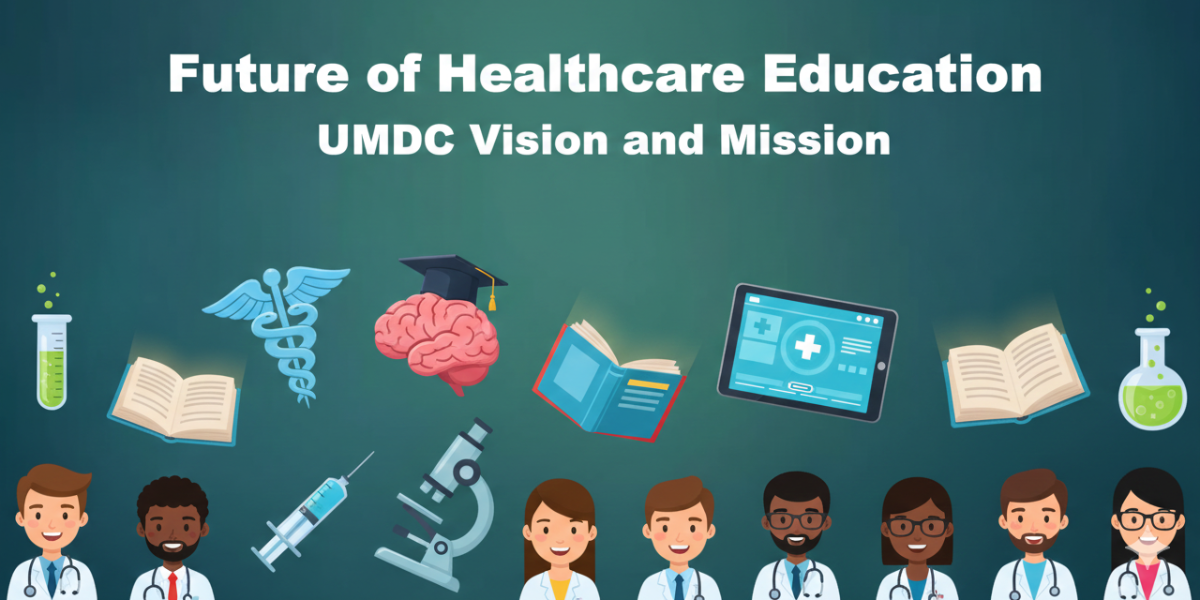
Medical education in Pakistan is evolving rapidly, and many institutions have adopted the Integrated Modular Curriculum (IMC) to create stronger connections between basic sciences and clinical practice. Rather than studying subjects in isolation, students learn concepts through integrated modules that combine anatomy, physiology, biochemistry, pathology, and clinical applications.
This approach helps students understand how medical knowledge applies to real patient care from the beginning of their academic journey. The integrated modular system has become an important part of modern medical education, with institutions across Pakistan implementing curriculum reforms that emphasize clinical relevance, problem-solving, and student-centered learning.
At University Medical and Dental College, students are exposed to a curriculum designed to prepare them for the realities of modern healthcare. While this system offers numerous benefits, it can initially feel overwhelming because multiple subjects are taught simultaneously within a single module.
Many students enter medical college expecting to study one subject at a time. In an integrated curriculum, however, they may learn the anatomy, physiology, and pathology of a body system within the same module. This requires a different study approach.
Students often face information overload, difficulty organizing content, and challenges in retaining large volumes of knowledge. These academic pressures can contribute to self-doubt and anxiety, which is why understanding the challenges discussed in Pakistani Medical Students can be particularly valuable for those adjusting to medical school.
Active recall is a learning technique that forces the brain to retrieve information from memory rather than simply rereading notes. Research in educational psychology consistently shows that retrieval-based learning strengthens long-term retention more effectively than passive review.
When studying a cardiovascular module, for example, instead of repeatedly reading lecture slides, students should close their notes and attempt to explain cardiac physiology from memory. The process of recalling information strengthens neural pathways and helps identify knowledge gaps.
Active recall transforms studying from a passive activity into an active learning experience. This method is especially useful in an integrated curriculum where concepts from multiple disciplines must be connected and remembered simultaneously.
Medical students often spend hours highlighting textbooks and rereading lectures. While these methods may create a sense of familiarity, they do not necessarily improve retention.
Active recall encourages deeper understanding because students repeatedly test themselves. When a student recalls the pathophysiology of diabetes, explains the relevant anatomy, and connects it with clinical symptoms, they reinforce the integrated nature of the curriculum.
This approach aligns well with modern medical education models that emphasize problem-based and clinically relevant learning.
Spaced repetition is a study technique that involves reviewing information at increasing intervals over time. Instead of cramming before examinations, students revisit concepts strategically to prevent forgetting.
For example, after learning renal physiology, a student may review the topic after one day, then after three days, one week, two weeks, and one month. Each review strengthens memory retention and reduces the need for excessive last-minute studying.
The combination of active recall and spaced repetition creates a highly effective learning system. Active recall helps retrieve information, while spaced repetition ensures that information remains accessible over the long term.
Success in the integrated modular curriculum requires consistency rather than marathon study sessions. Students should begin reviewing material on the same day it is taught.
After attending lectures, they can create concise questions based on learning objectives and use those questions for self-testing. During subsequent study sessions, they should revisit previously covered material according to a spaced repetition schedule.
This method helps students maintain continuity across modules and prevents the accumulation of large backlogs before examinations.
One of the biggest challenges in modular learning is balancing different disciplines. Students may need to study anatomy, physiology, histology, and biochemistry together within a single body-system module.
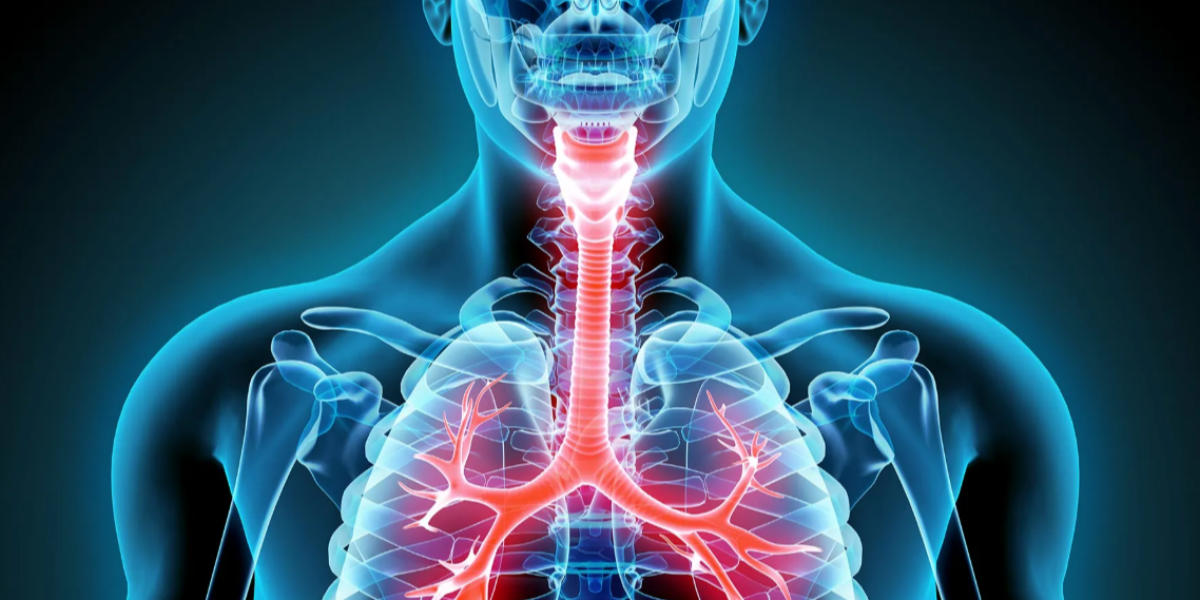
Rather than treating these subjects separately, students should focus on building connections between them. When studying the respiratory system, they can relate anatomical structures to physiological functions and clinical conditions. This integrated approach mirrors how the curriculum is designed and improves conceptual understanding.
Many students rely heavily on passive reading and leave revision until the final weeks before examinations. This strategy often leads to stress, poor retention, and academic burnout.
Another common mistake is attempting to memorize isolated facts without understanding their clinical significance. The integrated curriculum rewards students who understand relationships between concepts rather than those who simply memorize details.
Consistent revision, active learning, and regular self-assessment provide a much more sustainable path to success.
Medical colleges provide numerous academic opportunities that can support student learning. Participating in workshops, academic sessions, seminars, and institutional activities allows students to deepen their understanding beyond classroom lectures.
Students should regularly follow the News & Events section to stay informed about educational programs, seminars, and learning opportunities that can enhance their academic experience.
The Integrated Modular Curriculum is designed to develop competent, clinically aware healthcare professionals who can connect scientific knowledge with patient care. While the system may appear demanding initially, students who adopt evidence-based study strategies often find it more engaging and meaningful than traditional learning approaches.
Active recall and spaced repetition provide a practical framework for managing the large volume of information encountered in medical school. By studying consistently, testing themselves regularly, and revisiting material strategically, students can improve retention, reduce stress, and build the confidence needed to excel throughout their medical education journey.
Ultimately, success in medical school is not determined by how many hours a student studies but by how effectively they learn. With the right approach, the integrated modular curriculum becomes an opportunity for growth, deeper understanding, and long-term academic success.
The Integrated Modular Curriculum offers a modern and effective approach to medical education by combining multiple disciplines into a cohesive learning experience. Although the volume of information and interconnected topics can initially seem challenging, students who adopt proven learning techniques such as active recall and spaced repetition can manage their studies more efficiently and retain knowledge for the long term.
By staying consistent, actively engaging with course material, and making use of academic opportunities available at University Medical and Dental College, students can build strong foundations for both academic success and future clinical practice. With the right study strategies and mindset, the integrated modular curriculum becomes not just a challenge to overcome, but a pathway to becoming a competent and confident healthcare professional
Copyright 2026 UMDC.