



Date: Jul 06, 2026
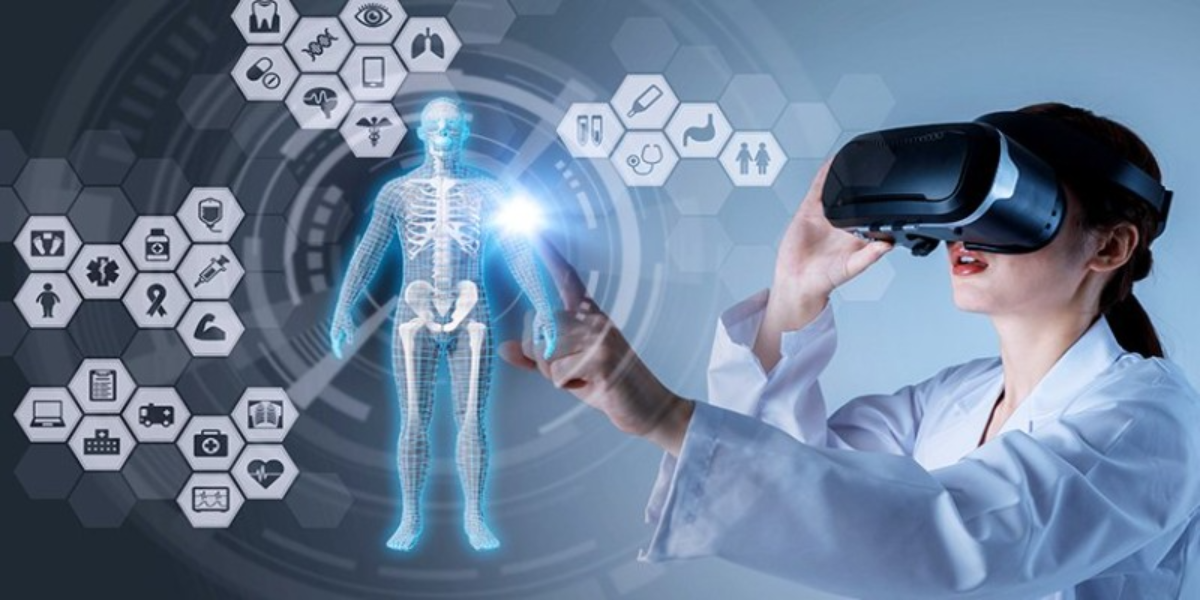
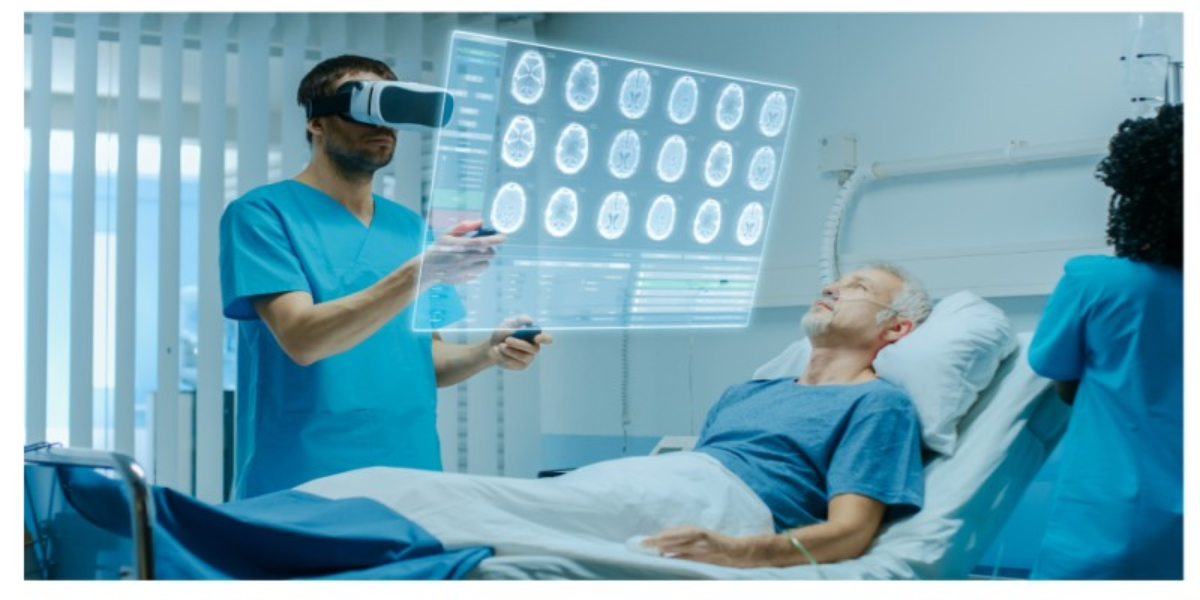
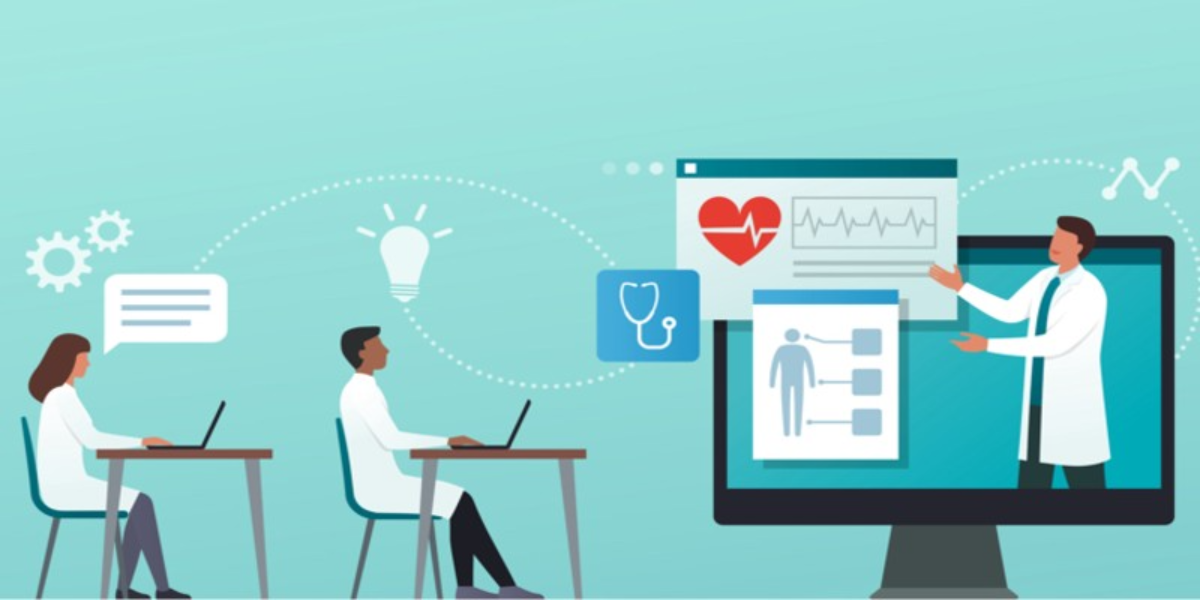
For generations, the traditional dissection hall has been the rite of passage for every first-year medical student. Surrounded by the scent of preservatives and textbook illustrations, future doctors took their first steps into understanding human biology. Today, a technological revolution is unfolding as physical dissection tables share the room with high-definition touchscreens, virtual reality headsets, and three-dimensional digital modeling. The rise of digital anatomy labs is completely reshaping MBBS education, offering unprecedented accessibility and precision without abandoning the core principles of medical training.
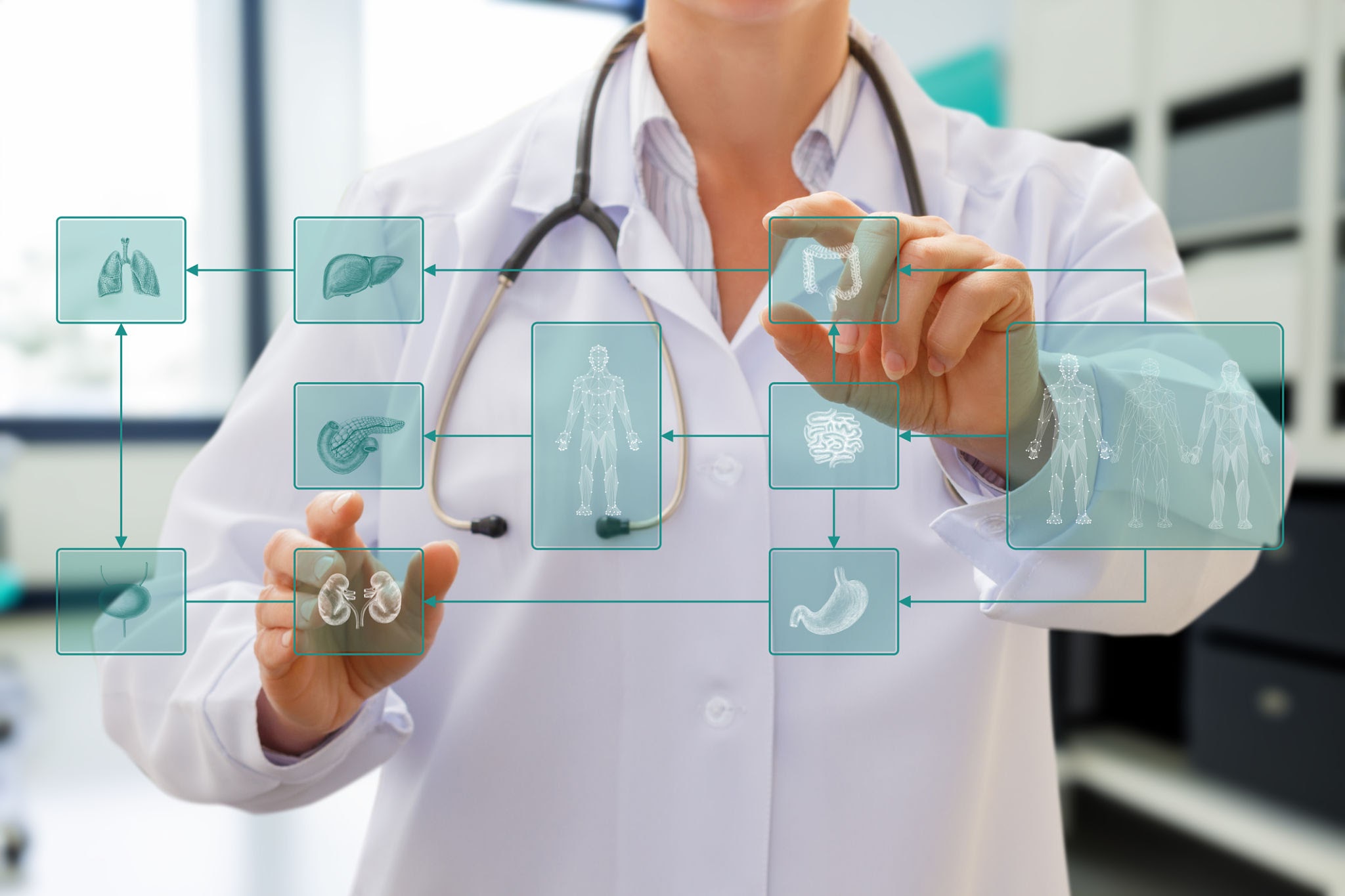
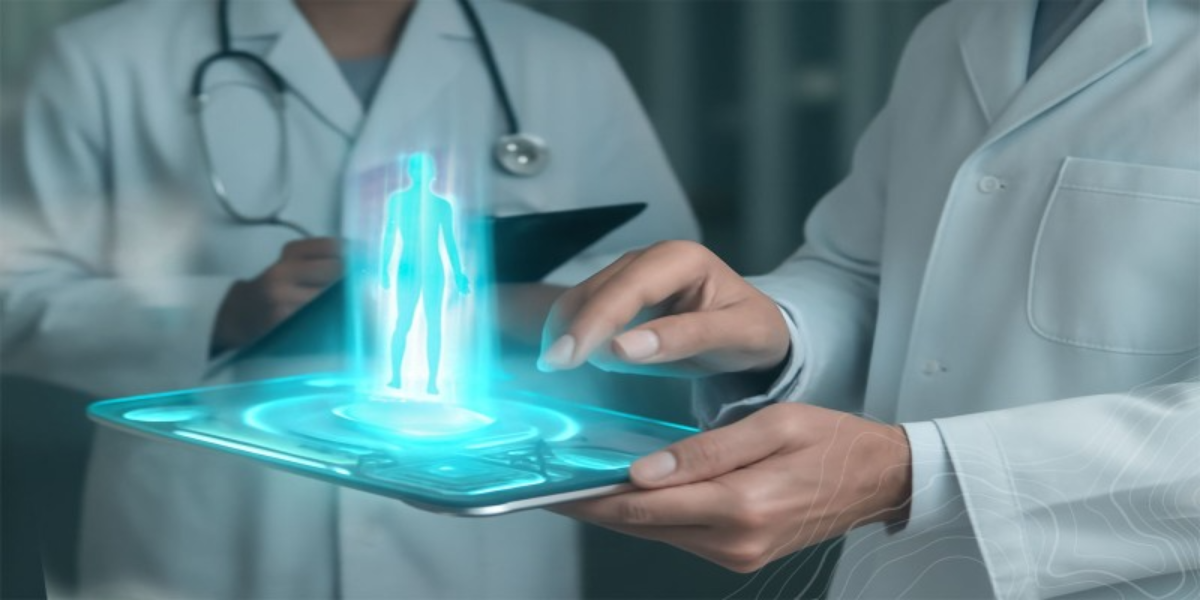
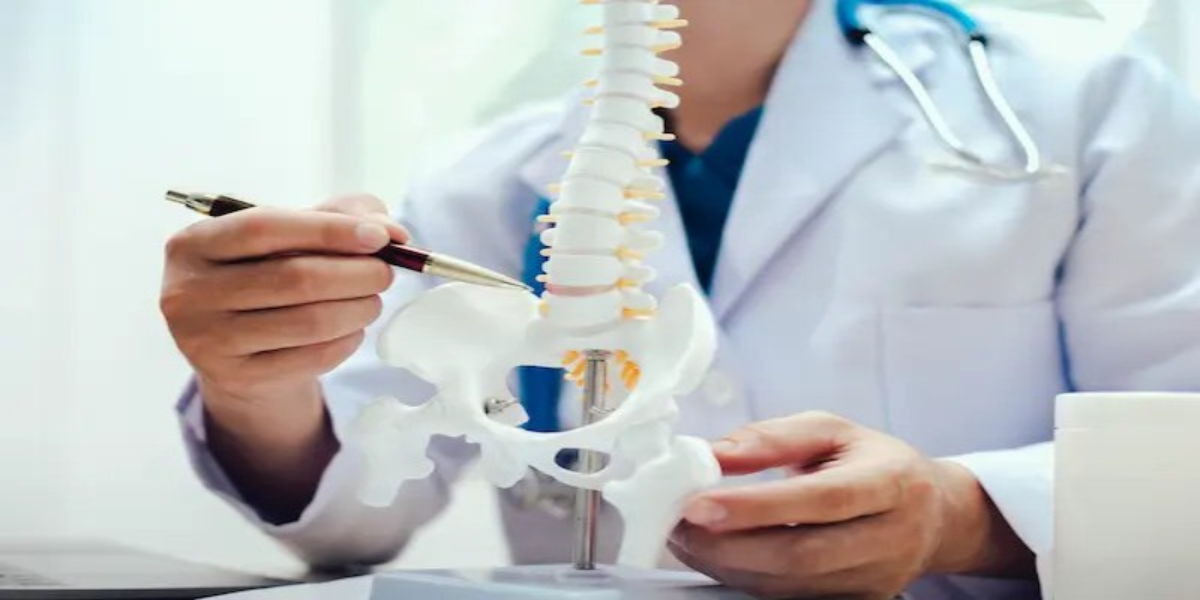
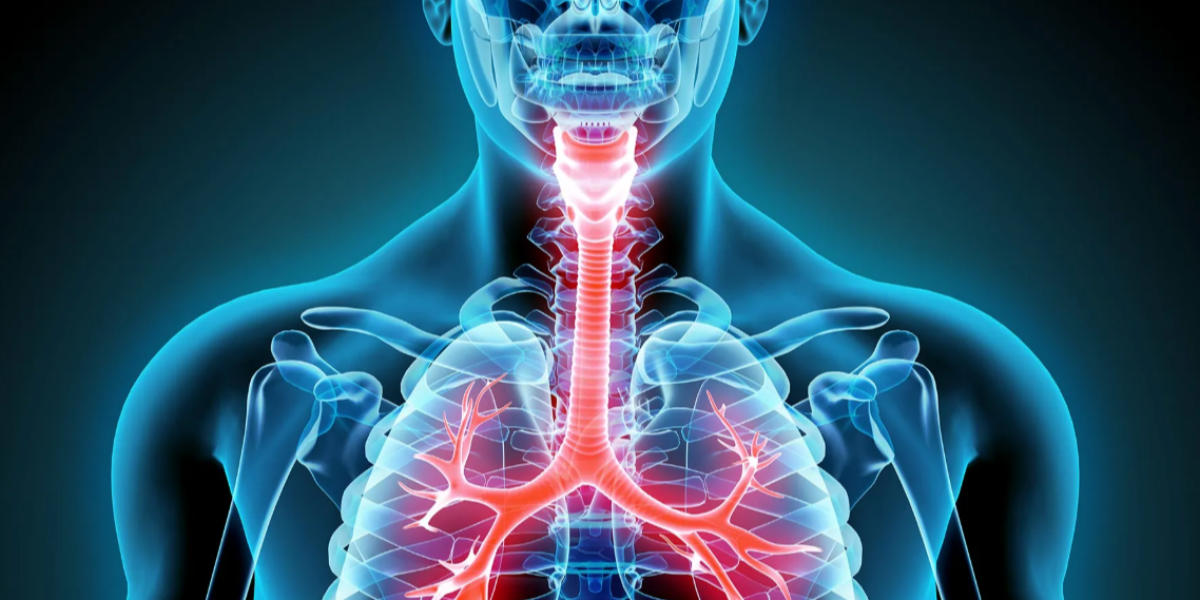
Anatomy is fundamentally a spatial discipline, requiring students to translate flat images from a book into a comprehensive, working understanding of a three-dimensional body. Digital anatomy labs solve this challenge by allowing students to rotate, zoom, and virtually dissect layered structures with the swipe of a finger.
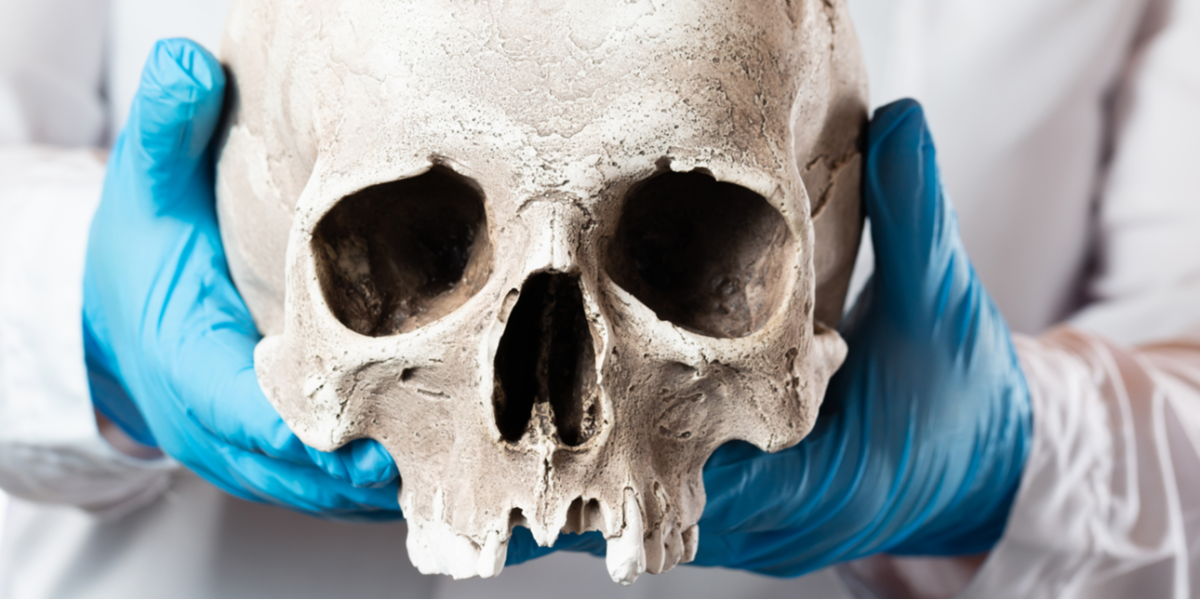
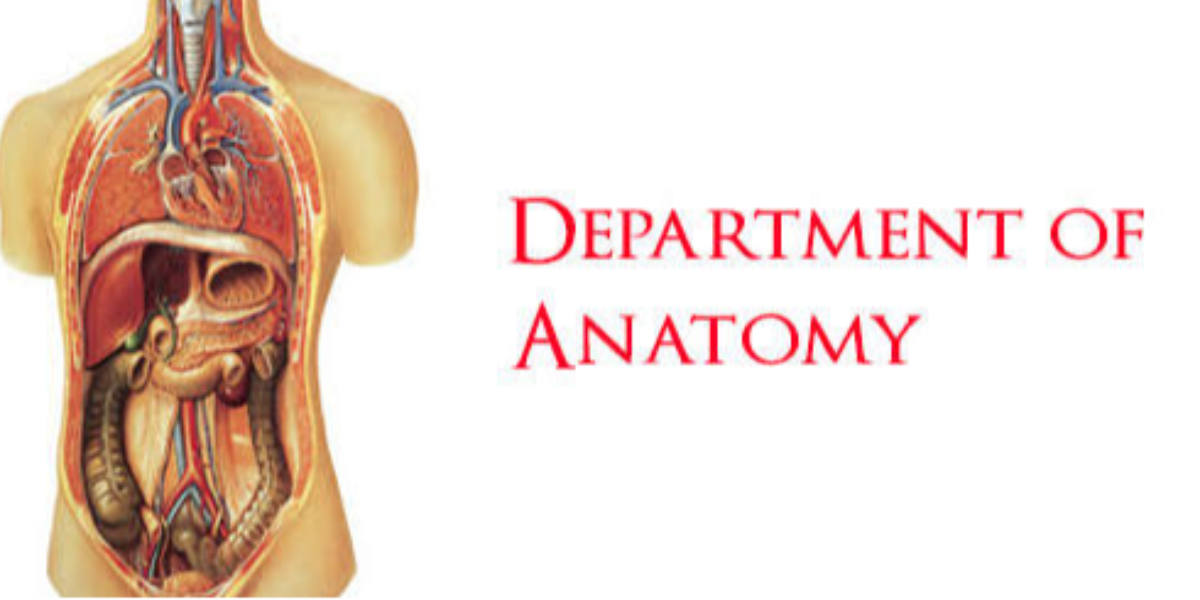
The Department of Anatomy Building Strong Foundation for Future Medical Professionals highlights how critical this structural mastery is. By establishing a robust spatial understanding early on, students can visualize complex neural pathways, intricate vascular networks, and deep tissue layers long before they enter an operating room.
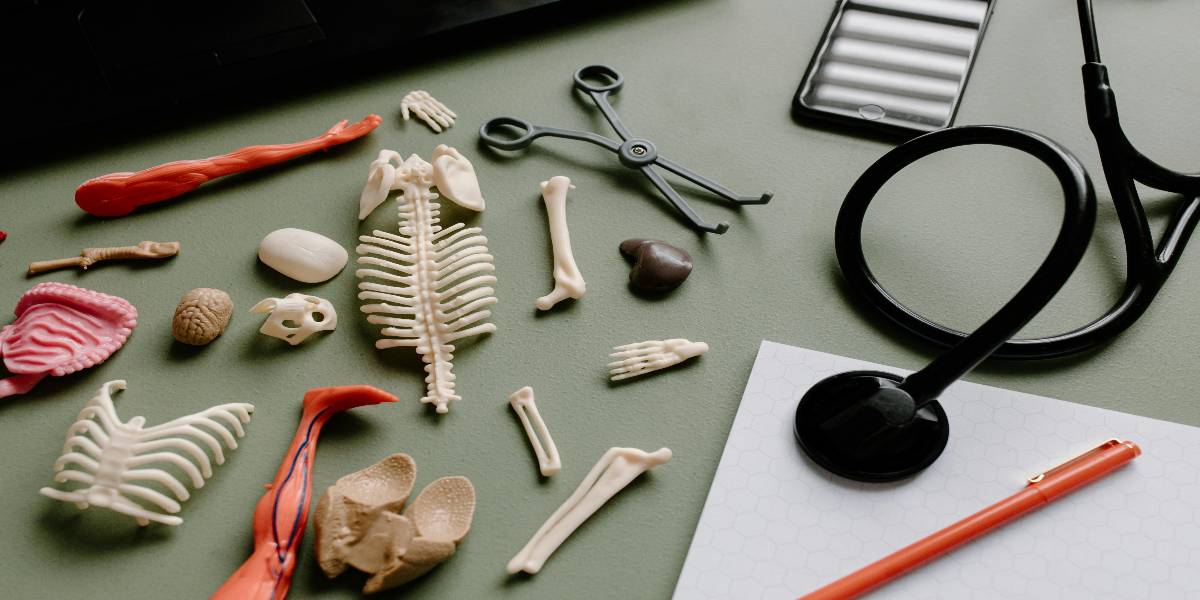
While cadaveric study remains an invaluable part of medical education, it presents natural challenges, such as limited tissue availability, chemical exposure, and the permanent nature of physical cuts. Digital platforms introduce a repeatable learning model. A student can make a virtual incision, peel back a muscular layer, realize a mistake, and reset the entire model instantly. Furthermore, digital tools can easily simulate rare anatomical variations and advanced systemic pathologies that a student might otherwise never witness in a standard lab setting.
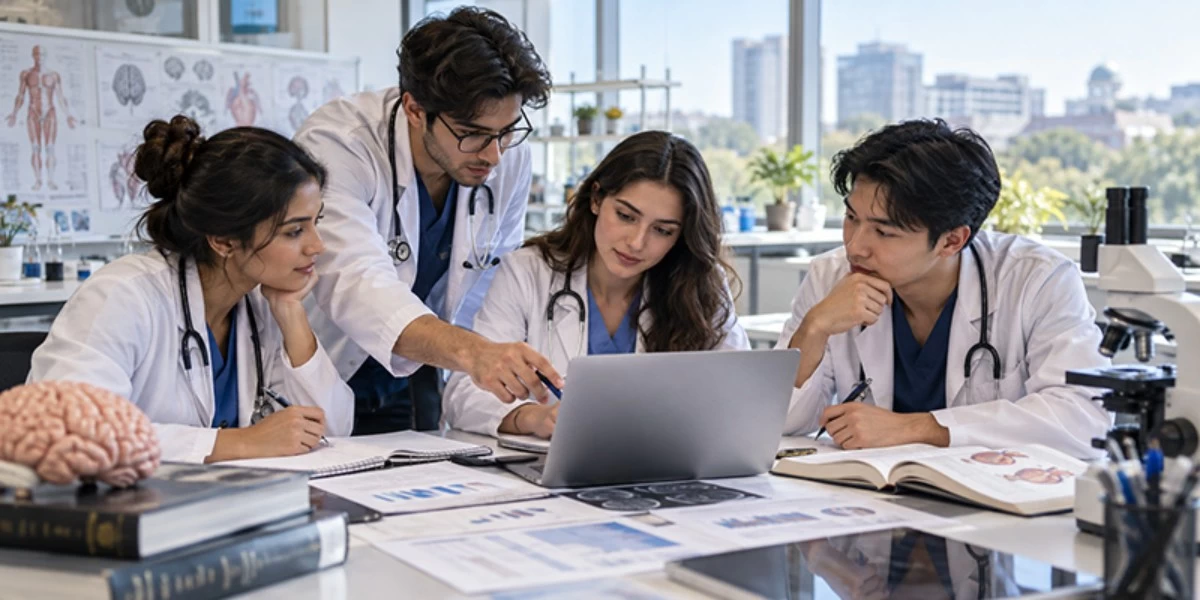
The benefits of digital anatomical modeling extend far beyond the standard MBBS track. Modern medical universities utilize these virtual environments to create cross-disciplinary synergy, ensuring that different specialties learn from a unified, highly detailed technological source.
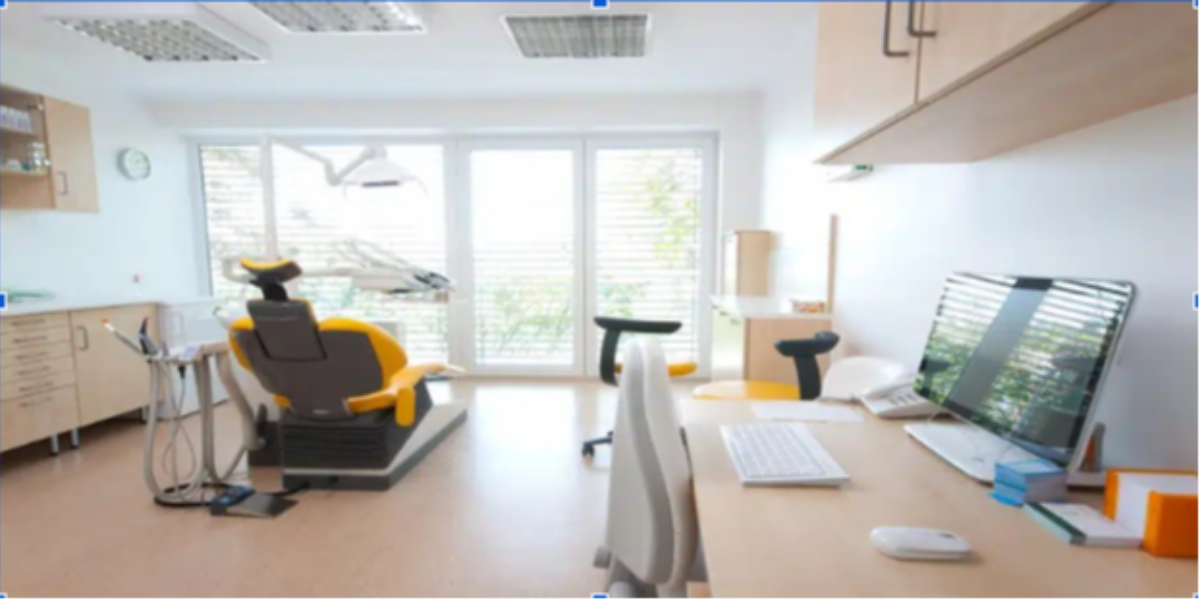
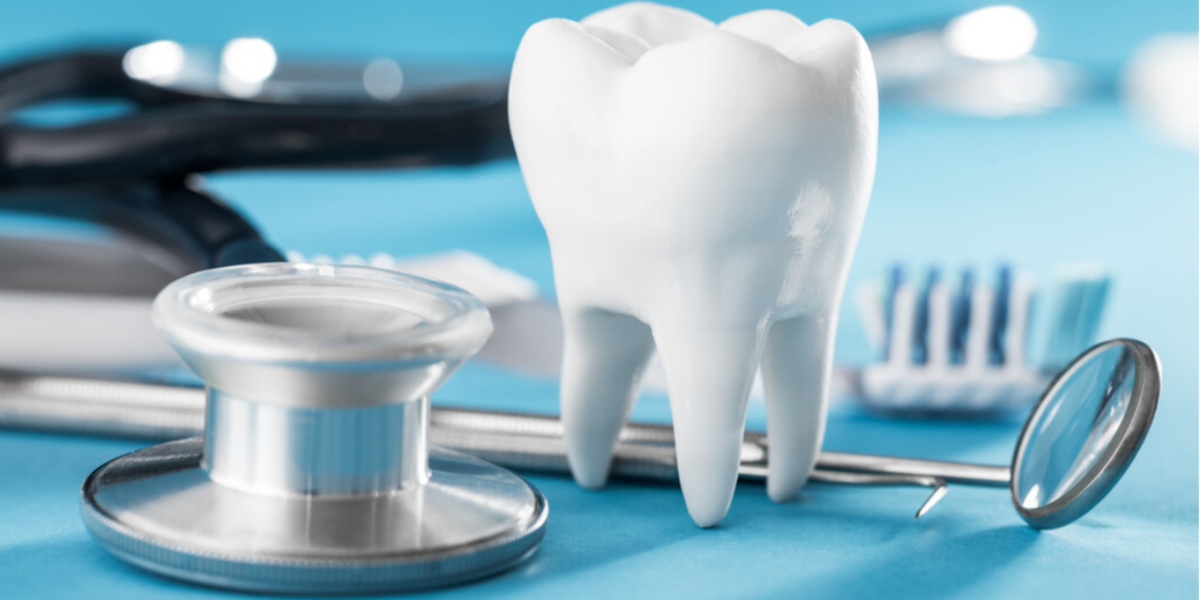
A strong spatial grasp of head and neck anatomy is equally vital for dental surgeons who must navigate tiny nerve pathways and complex bone structures. Looking closely at the Curriculum for BDS digital laboratories allow dental students to examine microscopic tooth structures and sub-millimeter jaw mechanics in 3D. This cross-application demonstrates that a centralized digital anatomy lab serves as an institutional asset, elevating training quality for both medical and dental cohorts simultaneously.
As healthcare systems shift toward tech-integrated patient care, medical colleges are actively adjusting their entry requirements and training infrastructures to attract forward-thinking students. Prospective students looking to enter this evolving educational ecosystem can consult the comprehensive Admission Guide to understand the prerequisite steps and technological competencies expected in modern medical programs.
The rise of the digital anatomy lab does not spell the end for traditional medical training; instead, it marks the beginning of a highly efficient, hybrid era. By augmenting physical dissection with interactive virtual learning, institutions are empowering MBBS students to learn faster, visualize deeper, and make mistakes in risk-free environments. This technological transition ensures that when future medical professionals finally transition from simulated screens to live patients, they carry a flawless, three-dimensional blueprint of human life firmly in their minds
Copyright 2026 UMDC.