



Date: Jul 25, 2026
Stepping into a clinical setting for the first time is an exhilarating milestone for any medical or dental student. However, the hospital environment carries an invisible, ever-present challenge: Healthcare-Associated Infections (HAIs). According to global health metrics, clean care saves lives, making patient safety and infection control the absolute bedrock of modern clinical practice. If you are an aspiring healthcare professional looking to enter this field, consulting a comprehensive Admission Guide is the best way to choose a program that prioritizes these essential clinical safety protocols from day one.
Infection prevention is not a series of arbitrary rules; it is a highly scientific protocol integrated directly into modern medical education. These protocols ensure that students are fully prepared to handle the realities of a sterile hospital environment before beginning their practical rotations.
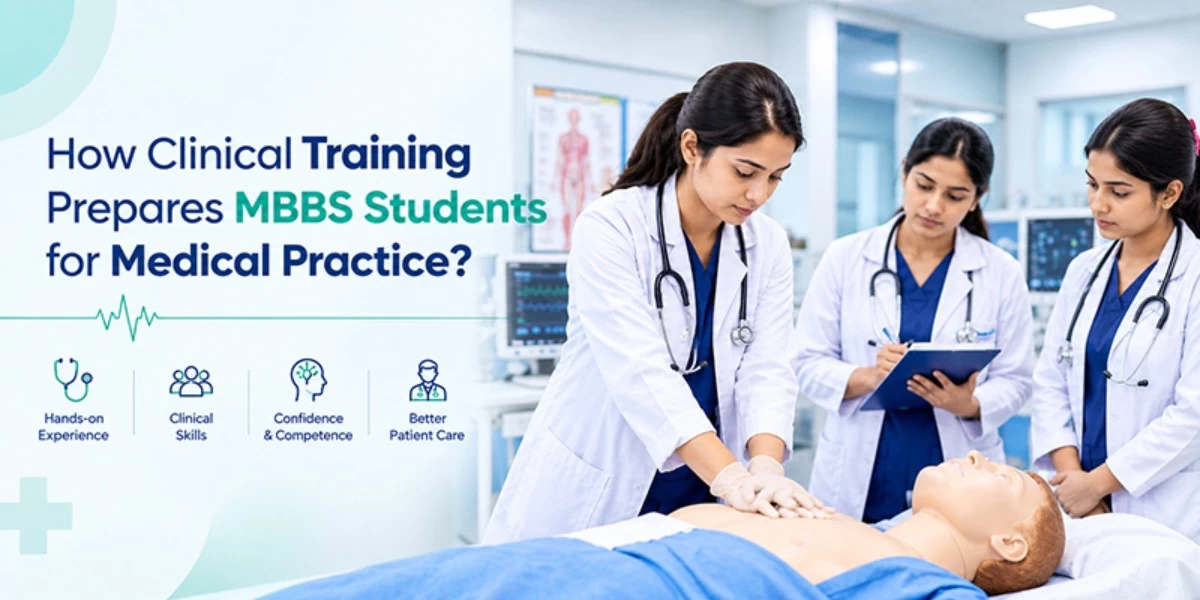
For future physicians, mastering these safety barriers, sterilization techniques, and outbreak management protocols is a rigorous requirement detailed extensively within the MBBS curriculum. This rigorous training guarantees that medical undergraduates can confidently protect both themselves and their patients during high-risk procedures.
To thrive in a fast-paced hospital or dental clinic, there are several non-negotiable skills every student must turn into second-nature habits.
It sounds basic, but proper hand hygiene remains the single most effective way to prevent the spread of pathogens. Students must master the World Health Organization’s (WHO) "5 Moments for Hand Hygiene," including before touching a patient, before clean/aseptic procedures, and after body fluid exposure. This means executing a thorough 40-to-60-second scrub with soap and water or a 20-to-30-second rub with alcohol-based sanitizer, ensuring the wrists, thumbs, and spaces between the fingers are entirely decontaminated.
Whether you are inserting a central line, dressing a wound, or preparing a dental tray, maintaining a sterile field is critical. A single breach in aseptic technique can introduce deadly bacteria directly into a patient’s bloodstream. Alongside this is the correct sequence for donning (putting on) and safely doffing (taking off) Personal Protective Equipment (PPE). Most self-contamination among medical students occurs during the careless removal of soiled gowns, masks, or eye protection.
Needlestick injuries are one of the most common occupational hazards faced by medical and dental students. Safe handling involves never recapping needles using both hands, disposing of sharps immediately at the point of use in designated yellow puncture-proof bins, and never overfilling those bins. Knowing exactly what to do in the immediate aftermath of an accidental exposure is a vital safety milestone.
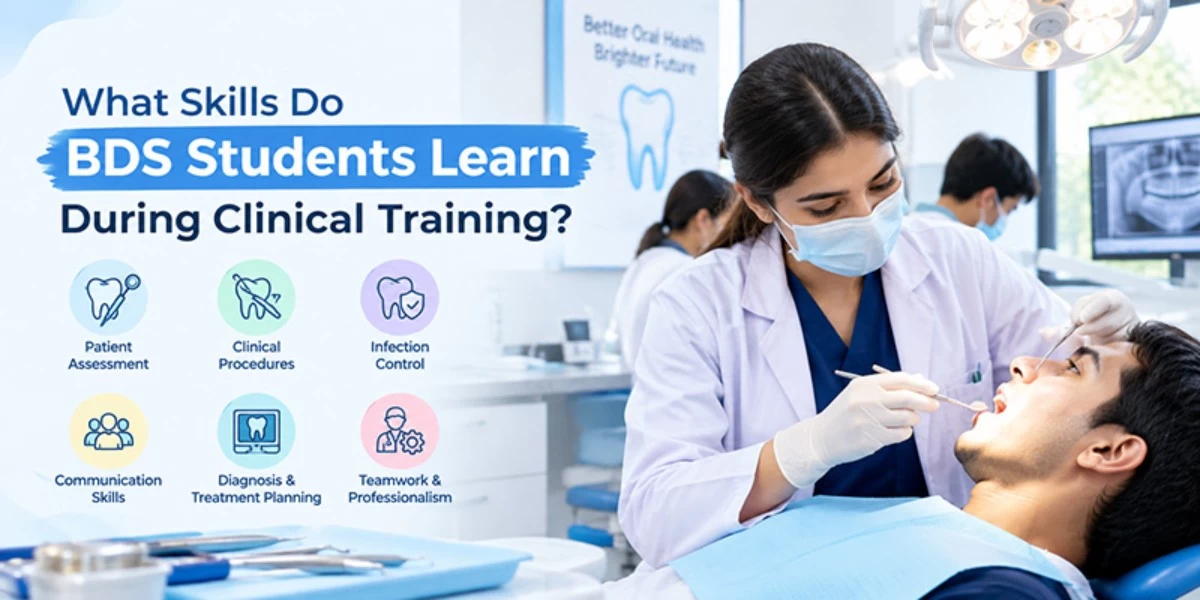
As students advance into specialized areas, infection control guidelines become even more precise. For instance, given the high-exposure nature of aerosol-generating procedures in dentistry, the standard BDS Program Structure places immense focus on airborne pathogen control, specialized instrument sterilization, and ergonomic clinic design to maintain a clean environment.
Understanding how these specific safety barriers apply to dental operatories and surgical suites is a core component of the Curriculum for BDS. This specialized training prepares dental undergraduates to handle complex cross-contamination challenges successfully before graduation.
Infection prevention and hospital safety are not secondary administrative tasks; they are core clinical skills that define your competence as a future healthcare provider. By respecting the strict safety standards built into your academic curriculum and practicing flawless hygiene in the wards, you ensure that your presence in the hospital brings healing, protection, and the highest standard of ethical care to every patient you treat
Copyright 2026 UMDC.