



Date: Jun 23, 2026
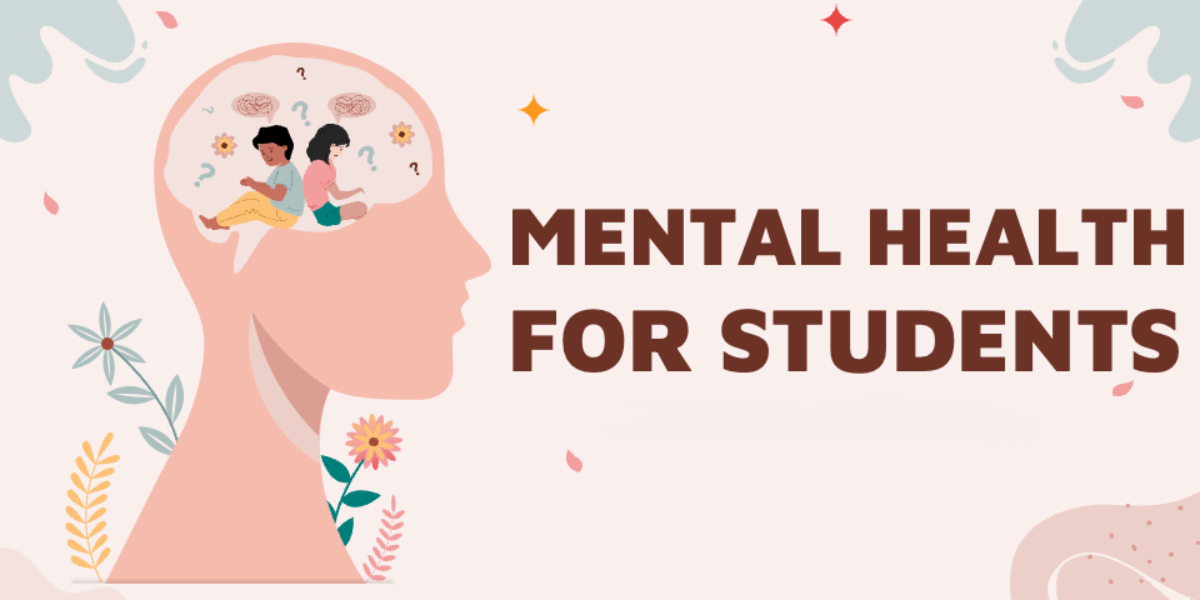
The intense academic pressure of medical and dental school is well-documented. When professional exams ("profs") roll around, the stakes skyrocket. Long hours of memorizing pathology, mastering anatomy, and practicing clinical skills can quickly drain a student's mental and physical reserves.
Without proactive stress management, this intense environment often leads to severe burnout a state of emotional, physical, and mental exhaustion caused by excessive and prolonged stress.
To help you navigate this high-pressure period, we have compiled highly practical mental health checklists. Whether you are balancing the rigorous MBBS Programme Structure or conquering the intensive clinical milestones required by the BDS Program Structure, these checklists will help you keep your sanity intact while still earning your white coat.
When exams approach, it is easy to fall into the trap of studying 16 hours a day while completely neglecting your basic human needs. Use this daily checklist to keep yourself grounded.
The Non-Negotiable 6
Secure a minimum of 6 hours of continuous sleep. Sleep is when your brain moves information from short-term memory to long-term storage. Cutting sleep to study actually hurts your retention.
Hydration Tracke
Keep a 1-liter bottle at your desk and finish at least two of them during your study hours. Dehydration directly mimics fatigue and brain fog.
The 50/10 Rule
For every 50 minutes of intense studying, take a 10-minute break completely away from your desk and books. Walk around, stretch, or look out a window.
Nutritional Fueling
Eat at least two nutrient-dense meals a day. Relying solely on caffeine, energy drinks, and instant noodles triggers blood sugar spikes that lead to severe mid-day energy crashes.
The sheer volume of syllabus material can easily trigger panic attacks or a paralyzing feeling of inadequacy. Use this checklist when the emotional weight feels too heavy.
Audit Your Inner Circle
Limit conversations with peers who "panic-talk" right before an exam. Stress is highly contagious. Seek out classmates who focus on mutual support rather than competitive panic.
Daily Digital Detox:
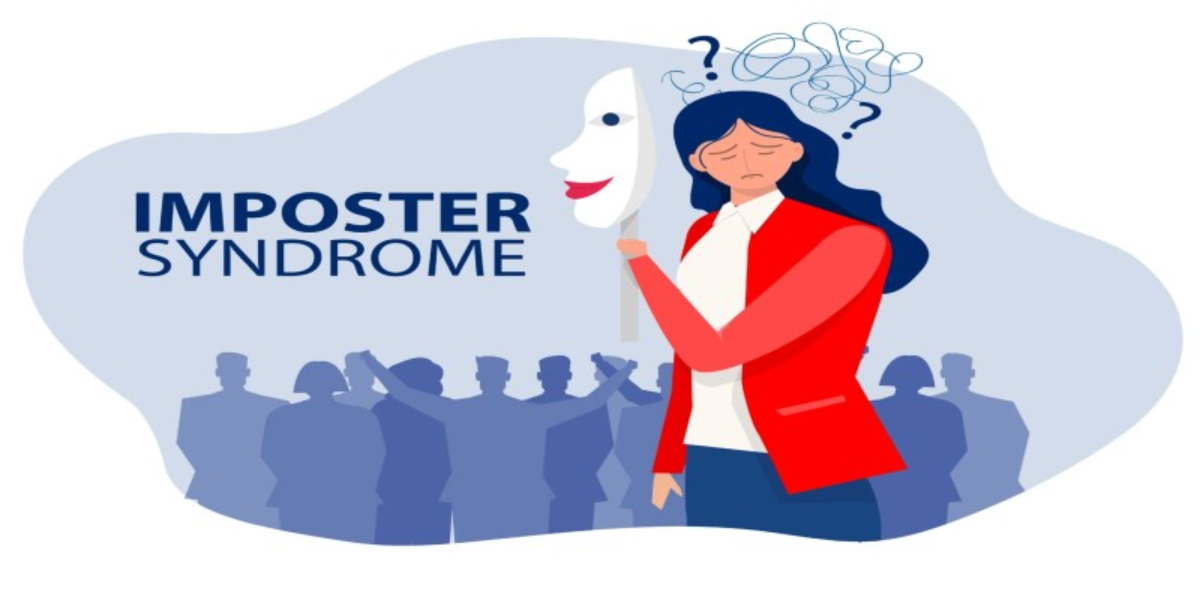
Turn off all social media notifications during active study blocks. Seeing others' posts about their study progress or lifestyle triggers unnecessary FOMO (Fear Of Missing Out) and imposter syndrome.
Acknowledge the "Incomplete
Accept early on that you may not feel 100% prepared for every single micro-topic. Medical and dental education is vast; aim for a solid, comprehensive understanding rather than absolute perfection.
The 5-Minute Brain Dump
If your mind is racing at night, spend 5 minutes writing down every worry or task on a piece of paper. Getting it out of your head and onto paper signals to your brain that it is safe to rest.
If you find yourself experiencing a sudden wave of severe anxiety, an elevated heart rate, or a complete mental block while sitting at your study desk or inside the examination hall, execute these steps immediately:
Stop and Drop:
Immediate.
Drop your pen, close your eyes, and place both feet flat on the floor. Remove your hands from your books or keyboard entirely.
The 4-7-8 Breathing Technique
Duration: 2 minutes.
Inhale quietly through your nose for 4 seconds, hold your breath for 7 seconds, and exhale completely and audibly through your mouth for 8 seconds. Repeat this cycle 4 times to physiologically lower your heart rate.
The 5-4-3-2-1 Sensory Grounding
Duration: 3 minutes.
Acknowledge 5 things you can see around you, 4 things you can physically touch, 3 things you can hear, 2 things you can smell, and 1 thing you can taste. This pulls your brain out of a panic loop and returns it to the present moment.
Positive Cognitive Reframing
Final Step.
Remind yourself of a past academic challenge you successfully overcame. Say to yourself: "I have prepared for this, I am capable, and this one moment does not define my entire career."
Ultimately, a burned-out mind cannot safely diagnose a patient, nor can it recall complex physiological pathways under the glare of an examination hall light. Professional exams are an endurance test, not a sprint.
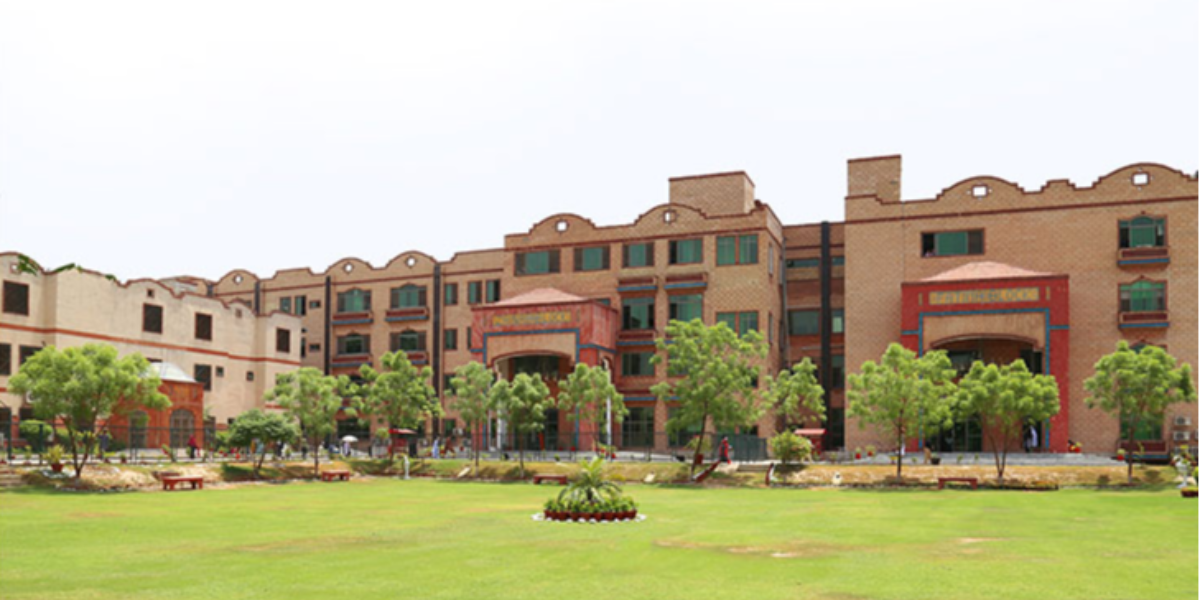
Institutions like the University Medical and Dental College emphasize that building a successful medical career requires a balanced approach to both academic excellence and personal mental health. By implementing these checklists into your exam routine, you protect your psychological well-being, ensuring you cross the graduation finish line not just as a certified medical professional, but as a healthy, resilient one
Copyright 2026 UMDC.