



Date: Oct 10, 2026

Starting MBBS is an exciting step for students who want to build a career in medicine. However, the first year can also feel different from school or college because medical education requires regular study, practical learning and a good understanding of basic medical concepts.
For many students, the first year of MBBS is about learning how the human body works and developing the study habits needed for the years ahead. At University Medical & Dental College (UMDC), students begin their medical education in a learning environment designed to help them build knowledge, skills and confidence.
If you are preparing to start medical college, knowing what to expect can help you feel more comfortable and better prepared for this new academic journey.
The first year of MBBS is mainly focused on building a strong foundation in medical sciences. Instead of studying only general subjects, students begin learning about the human body, its functions and the chemical processes that support life.
The study routine can be more demanding than intermediate education. Students may attend lectures, practical classes, demonstrations and other academic activities. They also need to spend time reviewing their lessons outside the classroom.
The first year is not only about memorizing information. Students also need to understand important concepts and learn how different areas of medical science connect with each other.
First-year MBBS subjects focus on the basic knowledge students need before moving toward clinical subjects in later years. The exact structure can vary according to the medical college and curriculum, so students should follow the curriculum provided by their institution.
At UMDC, students can explore the Basic Medical Sciences departments, which include areas such as Anatomy, Physiology and Biochemistry.
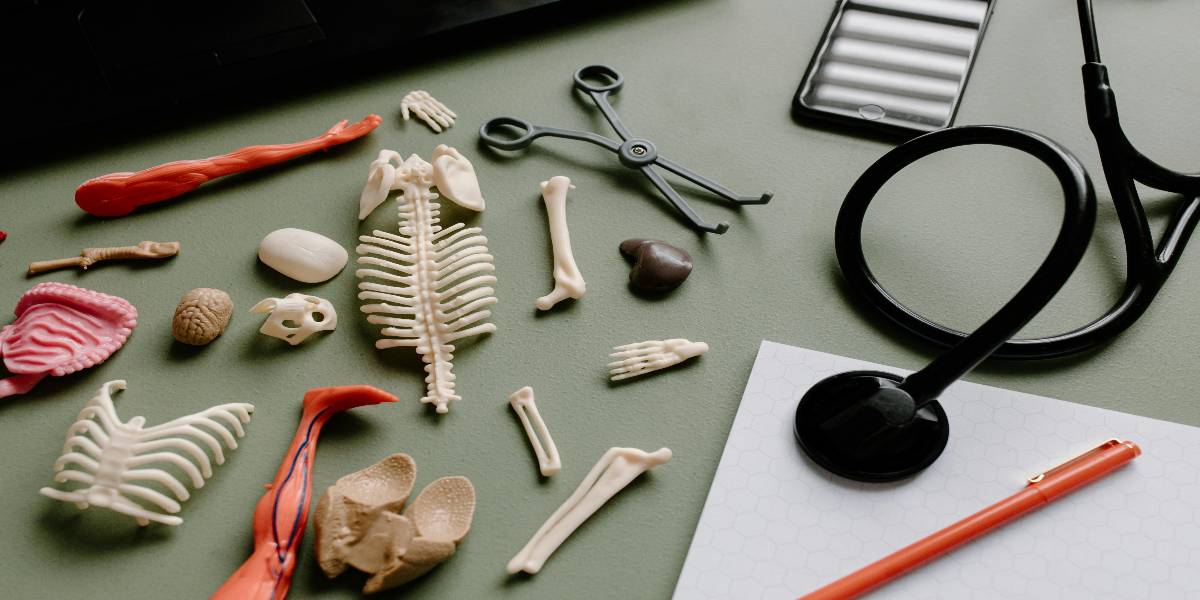
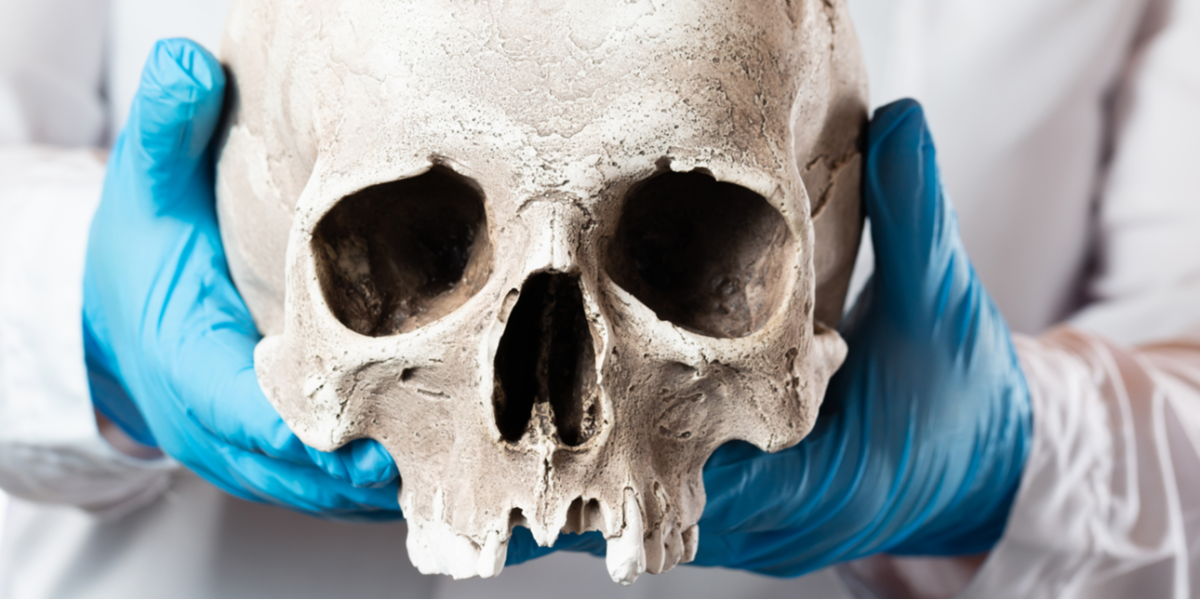
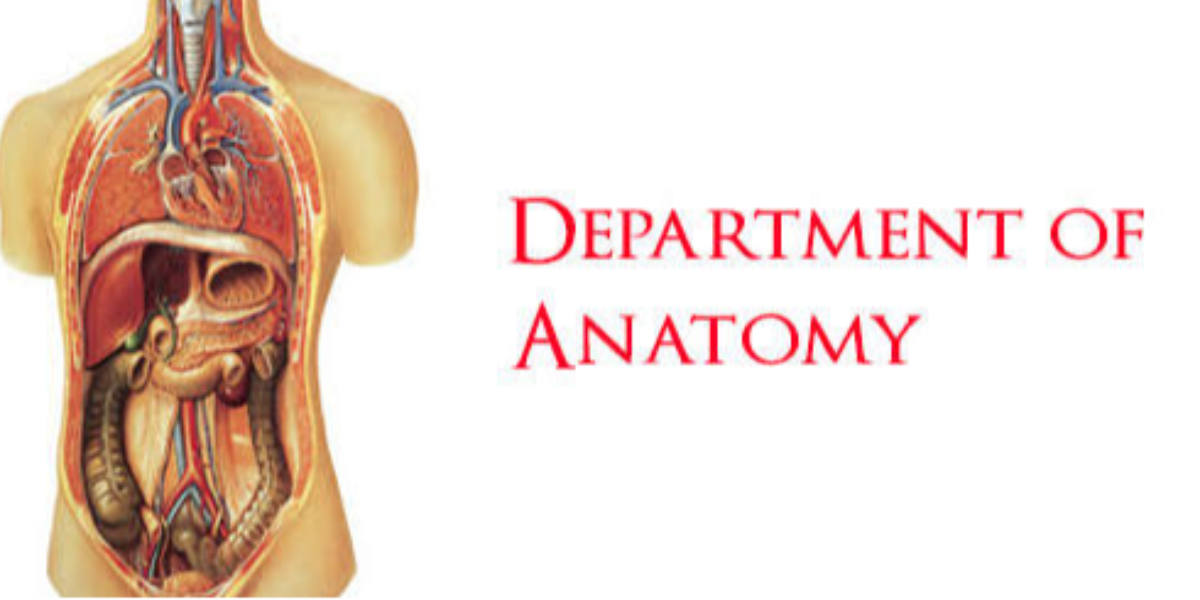
Anatomy is the study of the structure of the human body. Students learn about bones, muscles, organs, tissues and different body systems.
Practical learning is an important part of anatomy. Students may use models, diagrams and other learning resources to understand the structures discussed during lectures.
Anatomy can involve a large amount of information, so students usually need regular revision to remember important details.
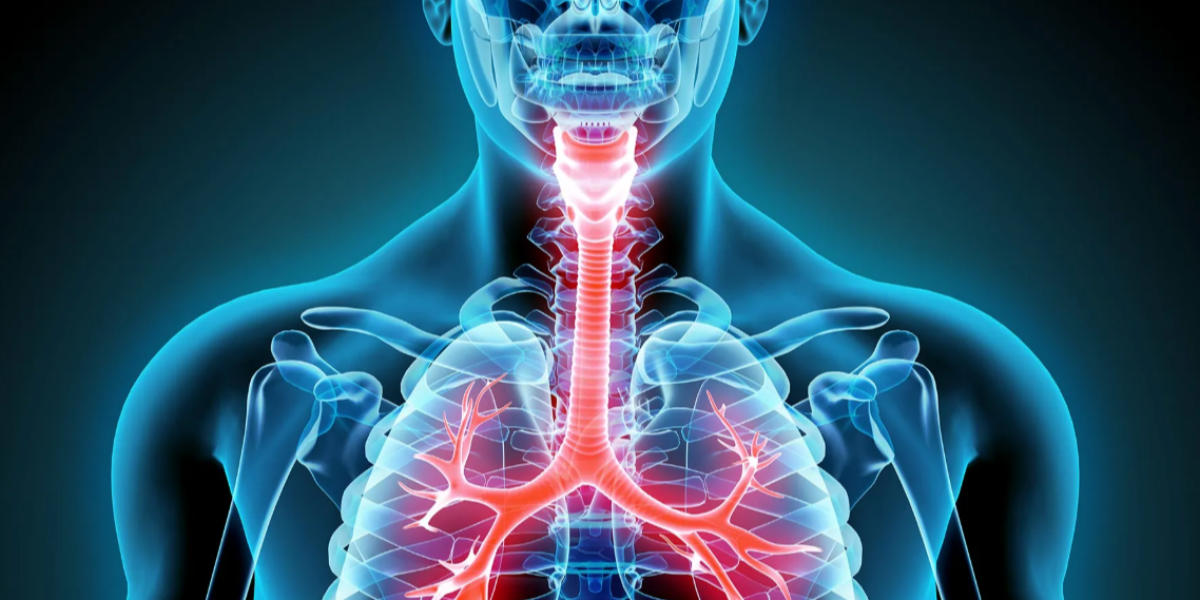
Physiology focuses on how the human body works. Students learn how different organs and body systems perform their functions and how these systems work together.
For example, students may study how the heart pumps blood, how the lungs support breathing and how the nervous system helps control different body functions.
Understanding physiology can help students connect basic science concepts with medical conditions they will study later.
Biochemistry explains the chemical processes that take place inside the human body. Students learn about topics such as proteins, carbohydrates, fats, enzymes and metabolism.
Although some topics may initially seem difficult, understanding the basic concepts can make later medical subjects easier to understand.
Students can also review the PM&DC guidelines for undergraduate medical education to understand the broader standards and curriculum guidance for undergraduate medical education in Pakistan.
The first year of MBBS usually requires consistent study rather than relying only on last-minute preparation. Medical subjects contain a lot of information and trying to learn everything shortly before an exam can become stressful.
A useful approach is to review your lecture material regularly. Even a short revision session after class can help you remember important concepts.
You should also make time for practical preparation because understanding a topic in theory may not always be enough. Combining lecture notes, textbooks, practical learning and revision can give you a stronger understanding of the subject.
Practical classes give students an opportunity to apply what they learn in lectures. These classes can help students understand medical concepts through observation and hands-on learning.
For example, anatomy practicals can help students understand body structures more clearly, while other basic medical science practicals can support the concepts discussed during lectures.
Students should take practical classes seriously from the beginning. They can help develop observation skills, understanding and confidence that will become increasingly important as medical education progresses.
There is no single study routine that works for every medical student. However, having a regular schedule can make the first year easier to manage.
A simple routine may include:
The goal is not to study for extremely long hours every day. The more important thing is to study consistently and understand what you are learning.
Many students find the transition to medical college challenging at first. The amount of information can feel overwhelming, especially when several subjects need attention at the same time.
Some common challenges include:
It is normal to need some time to adjust. Students should avoid comparing their progress with everyone else. Instead, they should focus on understanding their own strengths and improving areas where they need more practice.
The first few weeks are a good time to understand your timetable, teachers, subjects and study requirements. Try to stay organized from the beginning instead of waiting until examinations are close.
You can also form a small study group with classmates. Discussing difficult topics with other students can sometimes make complex concepts easier to understand.
At the same time, do not depend completely on group study. Every student should develop an individual study routine that matches their learning style.
As you become familiar with the medical college environment, your confidence will gradually improve.
Time management is important because MBBS involves several subjects and different types of academic activities. Students may need to attend lectures, practical classes, complete academic work and prepare for assessments.
Creating a weekly study plan can help you divide your time between subjects. You can give extra attention to difficult topics while continuing to revise subjects that you already understand.
A simple schedule can also prevent you from spending too much time on one subject and leaving other subjects for later.
Your first MBBS examinations may feel stressful because the examination style can be different from what you experienced before entering medical college.
Start preparing early instead of waiting for the final weeks. Review your notes, understand important concepts and practice questions where appropriate.
It can also help to identify topics that you find difficult and discuss them with your teachers or classmates.
During revision, focus on understanding the subject rather than trying to memorize every line of a textbook. A clear understanding can help you answer questions more confidently.
The first year of MBBS can help students develop several useful academic skills. These include:
These skills can support students throughout their medical education. As the MBBS journey progresses, students will gradually move from basic medical sciences toward more clinical learning.
Before starting your first year, remember that you do not need to know everything on your first day. Medical education is a long learning process and students develop their knowledge step by step.
Stay consistent with your studies, attend your academic activities, ask questions when something is unclear and keep reviewing your lessons.
It is also important to maintain a healthy balance. Getting enough rest and taking short breaks can help you stay focused and avoid unnecessary academic stress.
Most importantly, give yourself time to adjust. The first year is about building a strong foundation for the years of medical education that follow.
The first year of MBBS is an important stage in your medical education. You will learn basic medical sciences, attend practical classes, develop new study habits and gradually become familiar with the demands of medical college.
The experience may be challenging at first, but regular study, good time management, practical learning and a positive approach can make the transition easier.
At University Medical & Dental College (UMDC), students begin their medical education with opportunities to develop the knowledge and skills needed for their future medical careers. Understanding what to expect before starting can help you enter your first year with greater confidence and a clearer approach to your studies.
Copyright 2026 UMDC.