



Date: Aug 15, 2026
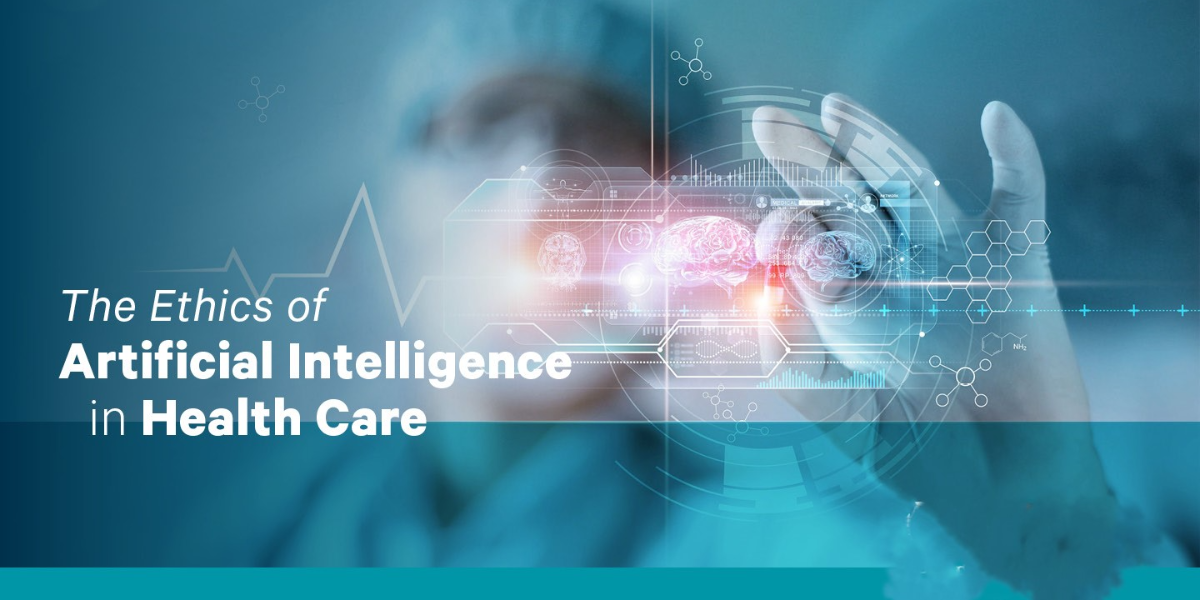
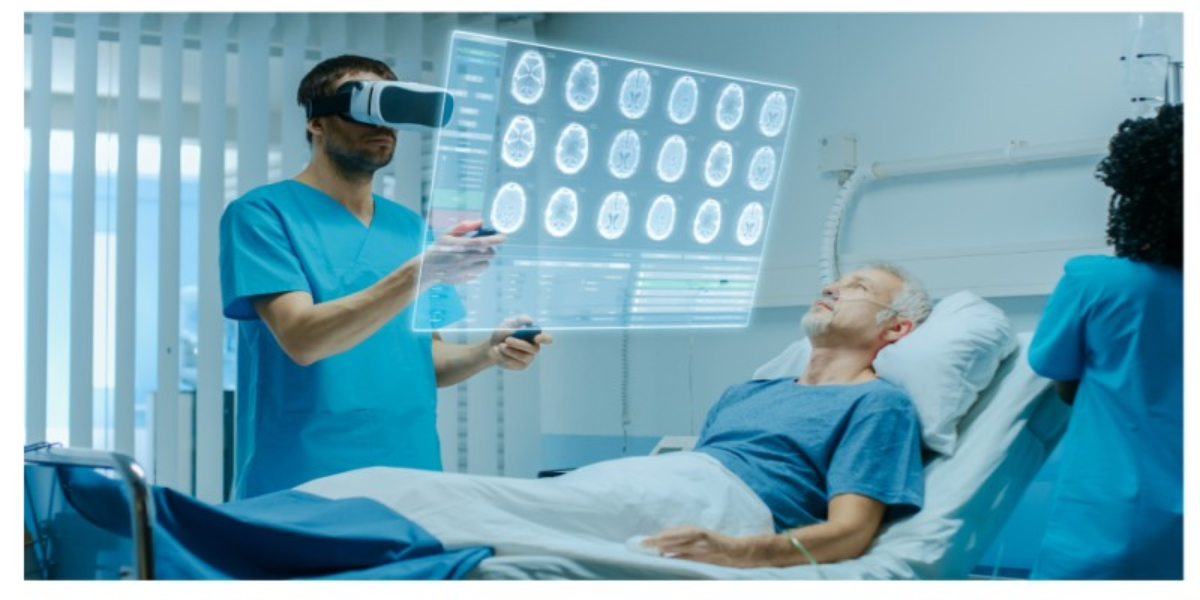
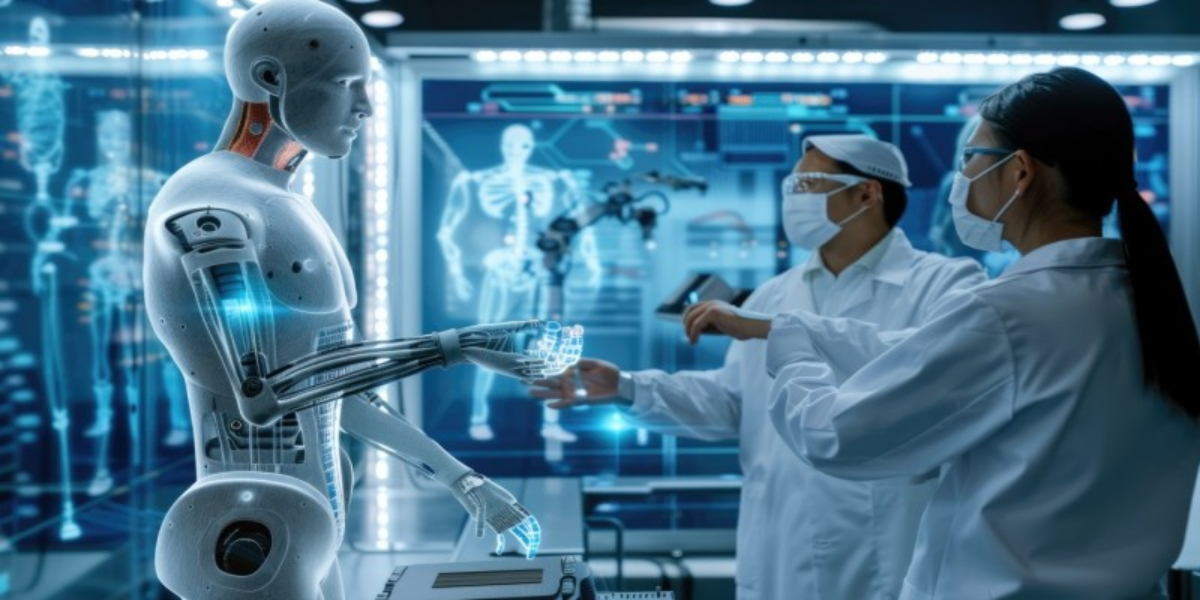
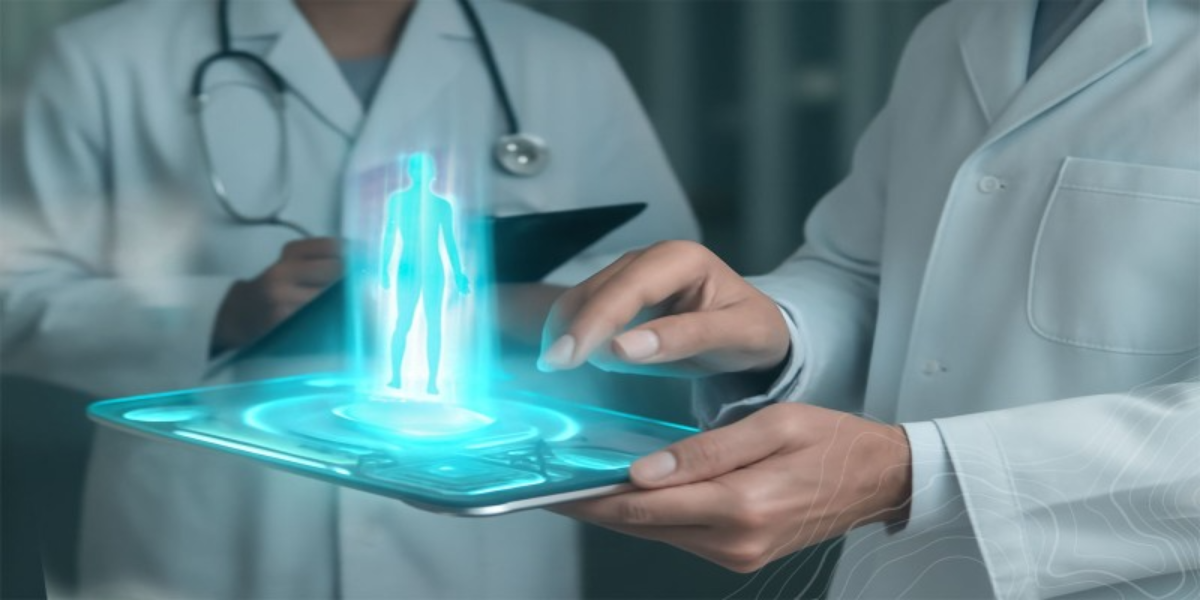
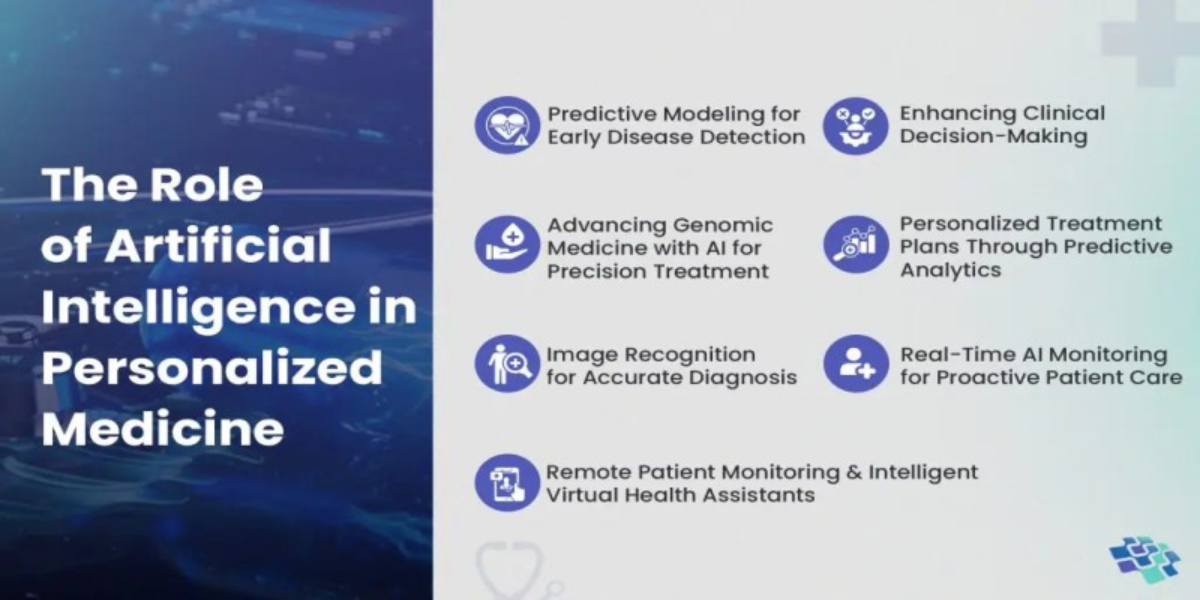
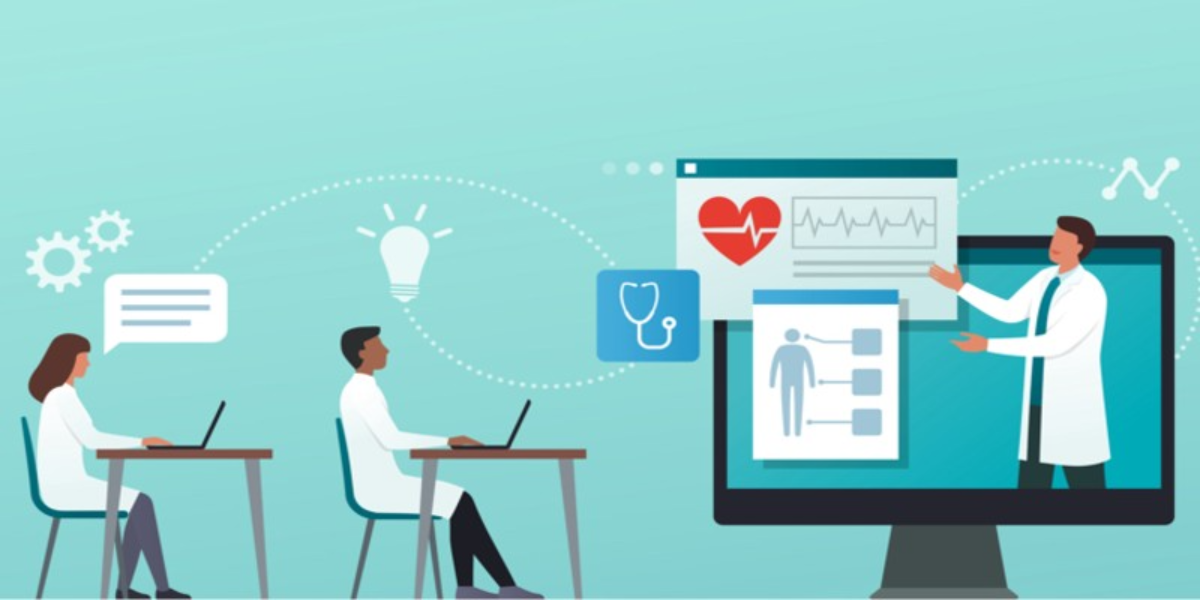
As artificial intelligence becomes deeply embedded in hospital workflows, modern clinical training extends far beyond memorizing anatomy and pathology. Today's medical trainees are learning to interact with diagnostic algorithms, predictive triage models, and automated treatment recommendations. While these AI systems offer incredible speed and efficiency, they are not infallible. Medical students must develop a healthy degree of clinical skepticism, learning to critically evaluate algorithmic outputs rather than accepting automated predictions without question. Educational institutions like University Medical and Dental College emphasize that sound clinical reasoning and empathetic human judgment must always remain the ultimate safeguards in patient care.
Machine learning models are only as reliable as the data used to train them. If an algorithm is trained predominantly on specific demographics, its diagnostic accuracy can drop significantly when applied to underrepresented patient populations. Furthermore, historical clinical biases—such as disparities in pain management or delayed cardiac diagnoses for women—can inadvertently become codified into automated software models. Future physicians must understand how these underlying datasets are constructed so they can spot potential algorithmic blind spots before they lead to misdiagnoses or health inequities.
To safely navigate an AI-driven healthcare environment, medical trainees must master digital literacy alongside bedside skills. This means learning to ask critical questions: What is the algorithm's error rate? Has this software been validated for this specific demographic? What underlying variables influenced this diagnostic score? Aspiring doctors looking to enter this modern, technology-conscious medical landscape can consult the Admission Guide to understand the academic prerequisites and enrollment pathways for contemporary medical programs.
Integrating ethical technology usage into clinical practice requires intentional, structured education. Modern medical programs ensure trainees debate case studies involving algorithmic errors, learn data privacy regulations, and practice explaining automated diagnostics transparently to patients. Reviewing a forward-thinking MBBS Curriculum illustrates how future doctors are taught to balance cutting-edge digital diagnostics with ethical responsibility, medical law, and patient-centered care.
Ultimately, artificial intelligence is a powerful diagnostic companion, but it can never replace the nuanced judgment, intuition, and empathy of a dedicated physician. The true challenge for the next generation of healthcare leaders is learning when to leverage automated insights and when to push back against them. By cultivating a strong foundation in ethical reasoning and algorithm evaluation, doctors can harness technological innovation while keeping patient safety at the absolute center of care. Students planning their academic future in this evolving profession can review the official Fee Structure to take their first step toward a career in modern medicine
Copyright 2026 UMDC.