Date: Oct 16, 2026
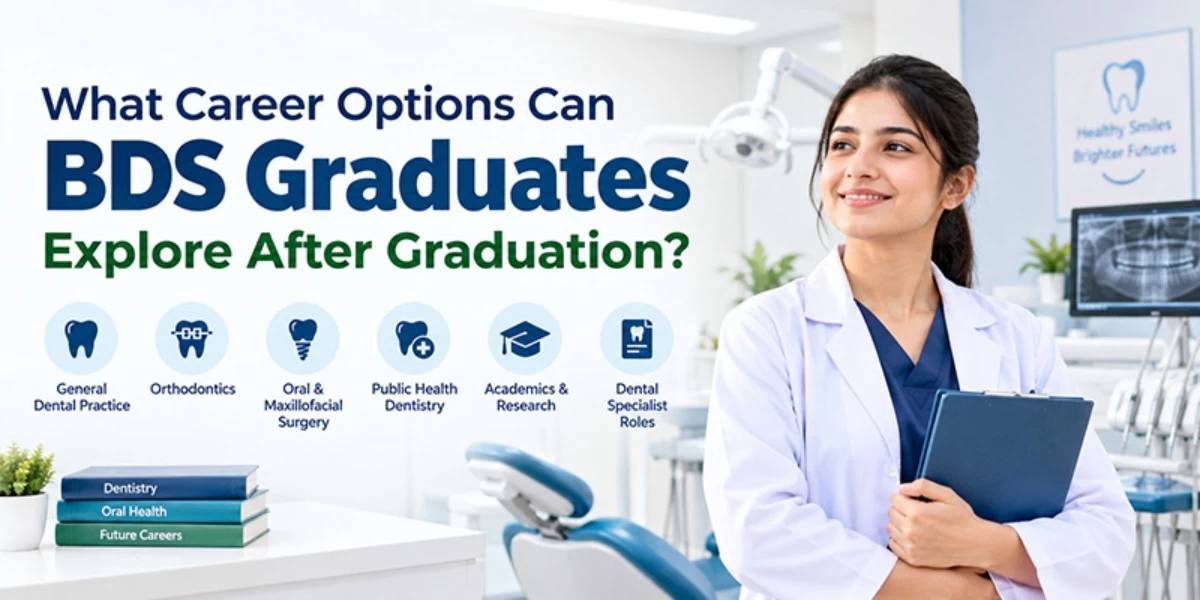
A Bachelor of Dental Surgery (BDS) degree can open the door to several career paths in dentistry and oral healthcare. After graduation, students can work in hospitals, dental clinics, educational institutions, research centres and public health programmes. They can also continue their education to gain advanced knowledge in a particular area of dentistry.
If you are planning to study dentistry, understanding the career opportunities after BDS can help you make a better decision about your future. Your career choice may depend on your interests, practical skills, further education and professional requirements.
After completing BDS, graduates can explore different roles in dental care and related fields. Some may prefer treating patients, while others may be interested in teaching, research or community health.
Before starting professional practice, graduates must complete the required training, registration and licensing steps that apply to them in Pakistan. The Pakistan Medical and Dental Council (PMDC) provides official information about dental practitioners and professional registration.
Here are some career paths you can consider after graduation.
Working as a general dentist is a common career choice for BDS graduates. General dentists help patients maintain healthy teeth and gums and manage many common oral health problems.
Their responsibilities may include:
General dentists may work in private dental clinics, hospitals or other healthcare settings. Some may also establish their own clinics when they meet the applicable professional and legal requirements.
This career can suit students who enjoy working directly with patients and helping them improve their oral health.
BDS graduates can explore employment opportunities in hospitals and dental clinics. These workplaces allow dental professionals to care for patients with different oral health needs.
Depending on the position, a dentist may examine patients, assist with treatment planning, perform appropriate procedures and work with other healthcare professionals.
Hospital-based work can also help dentists understand how oral health connects with general health. For example, some medical conditions can affect the mouth, while dental infections may require timely professional care.
When applying for a position, graduates should check the job requirements, required experience and registration conditions. The available opportunities can vary between public hospitals, private hospitals and dental clinics.
Some graduates want to develop advanced skills in a particular area of dentistry. Further education and supervised training may help them work towards a specialist career.
Dental specializations cover different areas of oral healthcare, each with its own focus and training requirements.
Examples include:
These fields may require postgraduate qualifications, approved training and other professional requirements. Students should research the eligibility criteria before selecting a specialty.
BDS graduates who enjoy explaining concepts and helping others learn may consider an academic career.
Dental colleges and educational institutions may offer teaching and training roles to candidates who meet their qualification and experience requirements.
Academic responsibilities can include teaching dental subjects, supporting practical learning, helping students understand clinical concepts and participating in research activities.
Some graduates may begin by gaining further qualifications or experience before applying for academic positions. Advanced education can be particularly important for teaching specialised subjects or progressing to senior academic roles.
This career path may suit people who enjoy learning, communication and sharing professional knowledge.
Dental research helps professionals understand oral diseases, improve treatment methods and explore new materials and technologies. It can also support better patient care through evidence-based decisions.
Graduates interested in research may explore opportunities in universities, research institutions and healthcare organisations. Depending on the role, their work may involve reviewing scientific studies, collecting information, supporting research projects or studying oral health conditions.
Further education in research or a related field may be helpful for advanced positions. Strong analytical skills, careful observation and an interest in scientific learning can also support this career path.
Research can be a suitable option for graduates who want to contribute to the development of dental knowledge rather than focus only on direct patient care.
Community dentistry focuses on improving oral health across groups of people. Instead of treating only individual patients, professionals in this area may help communities understand how to prevent dental problems.
Possible activities include:
Graduates may explore relevant opportunities with healthcare organisations, educational institutions, public health programmes and community projects, depending on the available roles and eligibility requirements.
This path can suit people who enjoy health education and want to help prevent dental problems before they become more serious.
Dentistry also connects with businesses that provide dental products, equipment, materials and technology. Some BDS graduates may explore roles related to clinical product support, dental education, professional training or technical communication.
These positions may involve explaining how dental products are used, supporting training sessions or helping healthcare professionals understand product features.
The exact requirements depend on the employer and job role. Graduates should look for positions that match their qualifications and skills, while following applicable professional rules.
Choosing a career path is only the first step. You can improve your readiness for professional life by developing useful skills during your education and after graduation.
Consider these steps:
The right combination of knowledge, practical experience and continued learning can help you make informed career decisions.
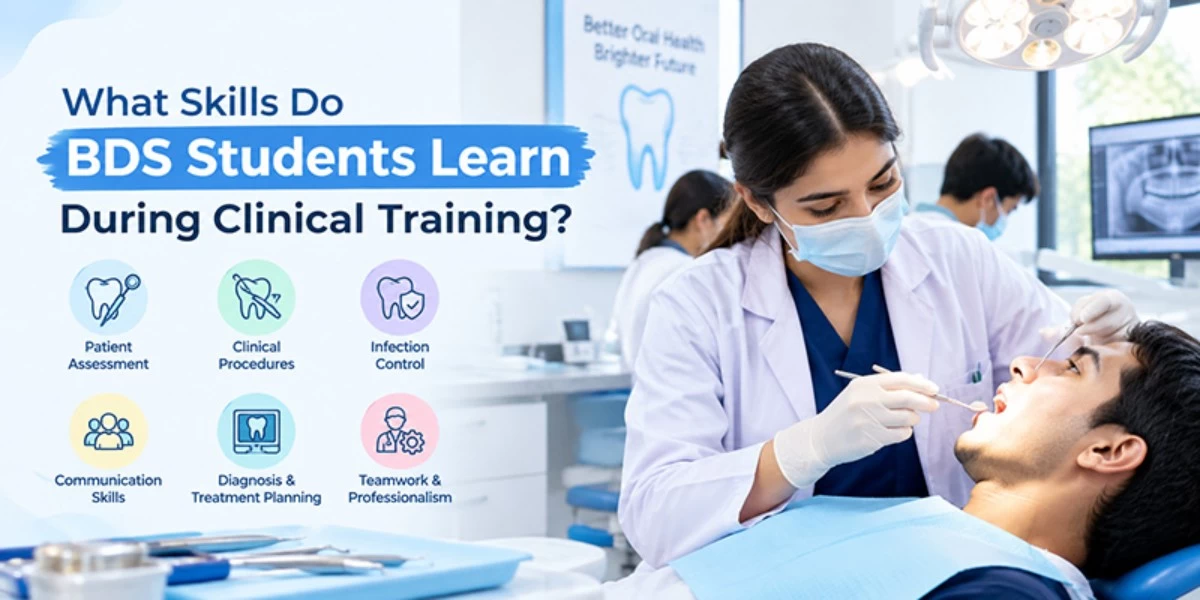
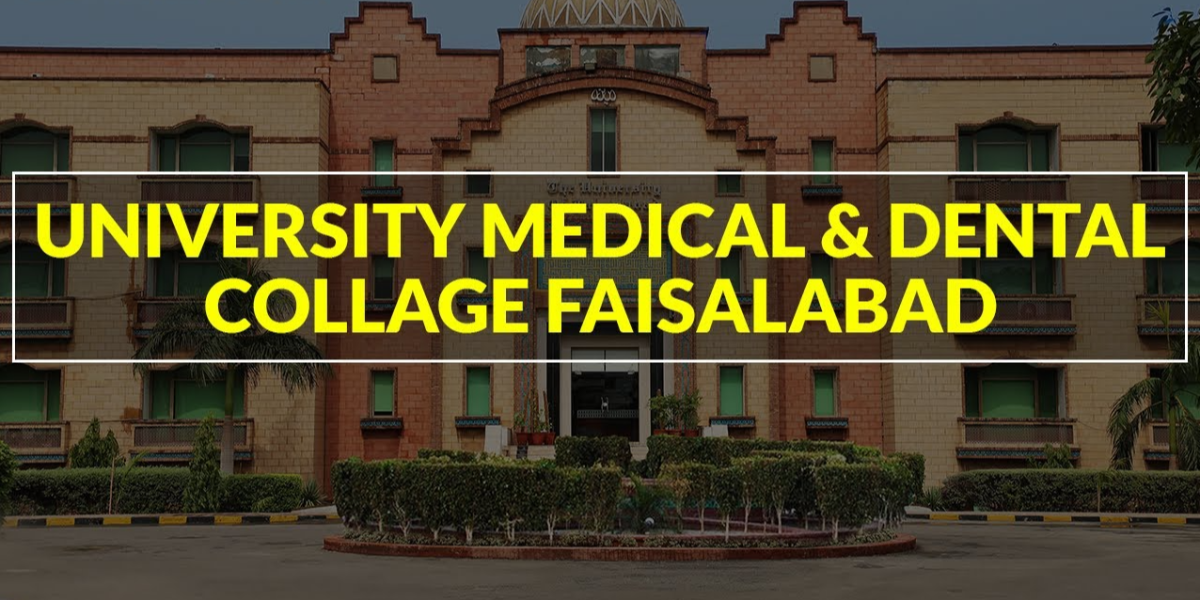
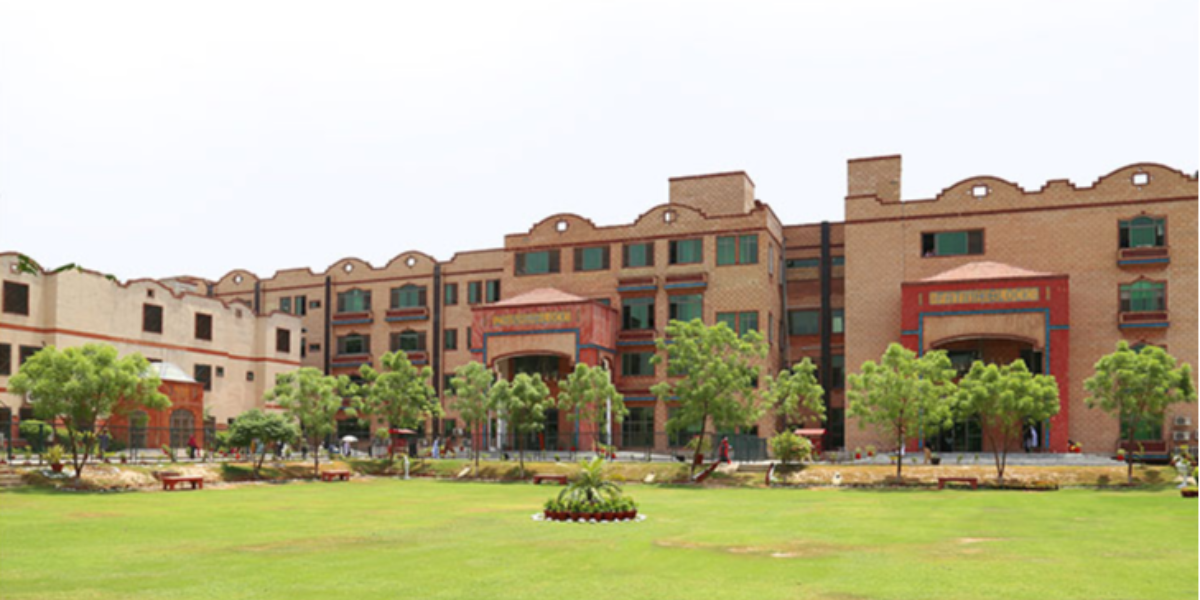
University Medical & Dental College (UMDC) in Faisalabad provides dental education for students interested in building a future in dentistry. During their studies, BDS students develop knowledge of oral health, patient care and the different areas of dental practice.
Students can explore the Dental Clinical Sciences departments at UMDC to learn about fields such as orthodontics, oral medicine, operative dentistry, periodontology, prosthodontics and oral and maxillofacial surgery.
Understanding these areas can help students recognise the different directions their professional interests may take. UMDC's BDS programme objectives also outline the knowledge, patient care, clinical skills, ethics and professional responsibilities the programme aims to develop.
Students should review the latest programme information and admission requirements when deciding whether UMDC is the right choice for their dental education.
There are several career options after BDS, from general dentistry and hospital-based work to postgraduate specialisation, teaching, research and community oral health. Each path offers different responsibilities, so it is important to consider your interests, skills and long-term goals before making a decision.
If you are planning to study dentistry, focus on gaining a strong educational foundation, developing practical skills and understanding the professional requirements for your chosen career. Exploring the BDS programme at UMDC can be a useful starting point for students who want to learn more about dental education in Faisalabad.
Copyright 2026 UMDC.