



Date: Feb 10, 2026
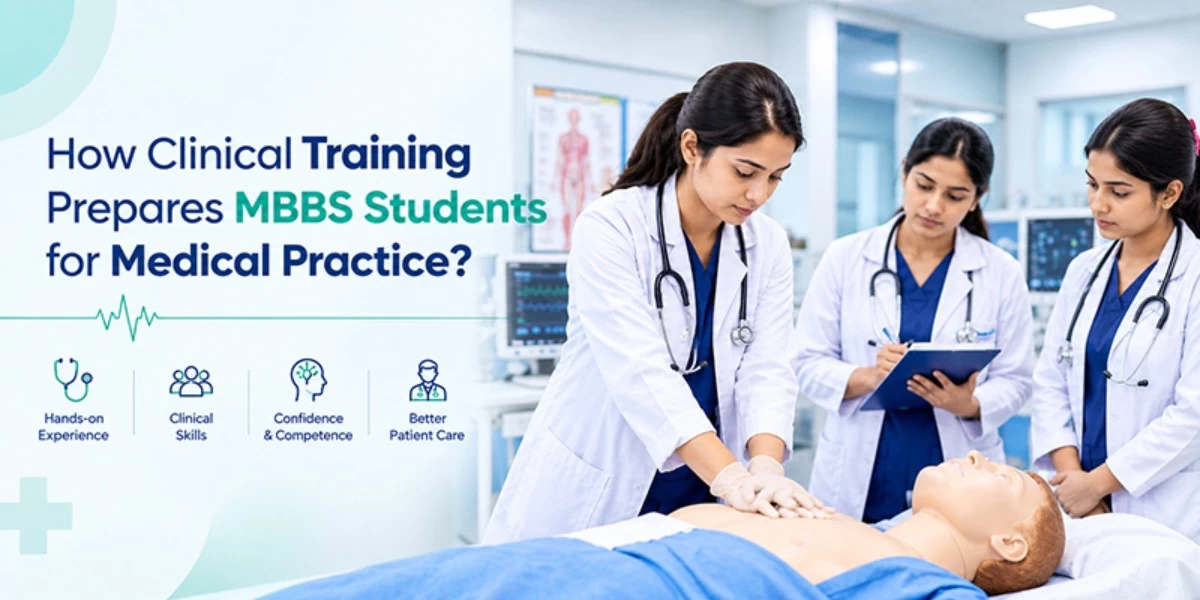
MBBS education is not only about studying medical subjects in classrooms. Medical students also need practical experience to understand how healthcare works in real situations. This is where clinical training becomes an important part of medical education.
During clinical training, students get the opportunity to observe doctors, interact with patients, learn about common health problems and understand how medical knowledge is used in patient care. These experiences can help students become more confident as they move toward their future careers.
Understanding how clinical training prepares MBBS students for medical practice can help students see why practical learning is an important part of medical education.
Clinical training is the practical part of medical education where students learn in hospitals, clinics and other healthcare settings. Instead of learning only from books and lectures, students can observe real patients and see how healthcare professionals work.
During this stage, students may attend hospital departments, observe patient consultations, learn basic clinical skills and take part in supervised learning activities.
The exact training structure can vary between medical colleges and programs. However, the main purpose is to help students connect their classroom knowledge with real healthcare situations.
Medical students study many subjects during their MBBS education. They learn about the human body, diseases, medicines, diagnosis and different areas of healthcare.
However, knowing medical information from textbooks is different from applying that knowledge to a real patient. Clinical training gives students the chance to see how doctors use their knowledge when assessing and managing patients.
It can help students:
These experiences can make medical education more practical and connected to future professional work.
One of the main benefits of clinical training is that it connects classroom learning with real patient care.
For example, students may study a disease in detail during their classes. Later, they may meet a patient with that condition during hospital training. This allows them to understand how symptoms, medical history, examination, tests and treatment decisions are connected.
This practical experience can make difficult medical topics easier to understand and remember.
During hospital-based training, MBBS students can observe experienced doctors and other healthcare professionals. They can learn how doctors communicate with patients, collect medical information, perform clinical examinations and discuss treatment plans.
Students can also ask questions and learn from situations they observe during their training. Working under proper supervision helps students understand professional responsibilities and the importance of careful patient care.
Learning directly from healthcare professionals can also help students understand that medical practice requires both medical knowledge and good communication.
Clinical training gives students opportunities to develop important clinical skills under supervision. These skills may include taking a patient's medical history, checking vital signs, performing basic examinations and understanding how clinical information is recorded.
Students may also learn how different medical departments manage patients with different health conditions.
The level of responsibility given to students depends on their education level, training program and supervision. The goal is to help students learn safely while gradually becoming more comfortable in clinical settings.
Good communication is an important part of medical practice. Doctors need to listen carefully, ask clear questions, explain medical information and respond respectfully to patients and their families.
Clinical training allows students to observe these interactions and practice communication in appropriate situations.
Students can learn that patients may have different concerns, backgrounds and levels of understanding. Learning to communicate in a simple and respectful way can help future doctors build better relationships with patients.
MBBS students may receive clinical exposure in different hospital departments during their education. Each department can provide a different learning experience.
For example, students may gain exposure to areas such as:
Exposure to different departments helps students understand how different areas of medicine work together to support patient care.
Textbooks provide important medical knowledge, but real patients can present with different symptoms and situations. Clinical exposure allows students to see how health problems may appear in real life.
A patient may have more than one health concern, different symptoms or a medical history that affects their care. Observing these situations can help students understand why doctors need to carefully review each patient's condition.
This experience can also help students develop better clinical reasoning skills as they learn to connect symptoms and medical information under supervision.
Medical care is usually provided by a team rather than by one person alone. Doctors work with nurses, pharmacists, laboratory staff, technicians and other healthcare professionals.
Clinical training helps students understand how these healthcare teams communicate and work together.
Students can see how information is shared, how different professionals support patient care, and why teamwork is important in a hospital environment.
Madinah Teaching Hospital (MTH) can provide a practical healthcare environment where medical students can gain exposure to different areas of patient care.
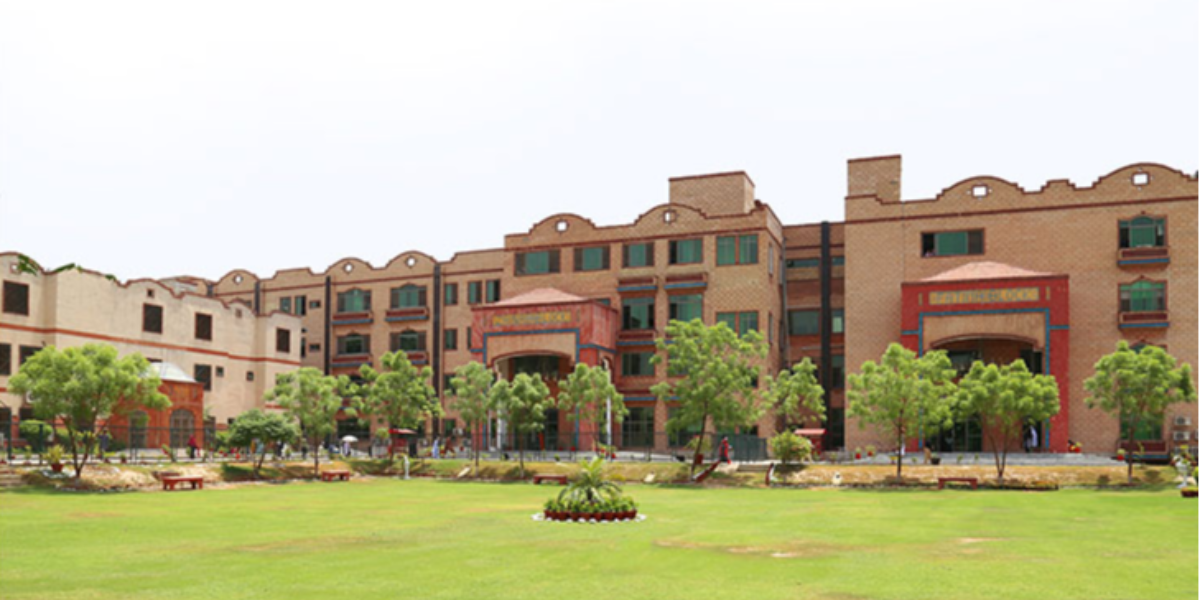
For students connected with medical education at the University Medical & Dental College (UMDC), clinical exposure through a teaching hospital can help connect academic learning with practical healthcare experiences.
Students can learn by observing healthcare professionals, understanding hospital departments and seeing how patient care is managed in a real clinical environment.
A teaching hospital can therefore play an important role in helping medical students understand the responsibilities and daily work involved in medical practice.
Students may feel nervous when they first enter a hospital or interact with patients. Regular clinical exposure can help them become more comfortable with the healthcare environment.
As students observe more cases, practice appropriate skills, and communicate with patients under supervision, they can gradually build confidence.
This does not mean students should work independently before they are ready. Proper guidance and supervision remain important throughout clinical education.
Clinical training also helps students understand the responsibilities that come with being a healthcare professional.
Students can learn about:
These lessons are important because medical practice involves more than diagnosis and treatment. Professional behavior and patient care are also important parts of being a doctor.
The main purpose of clinical education is to prepare students for the responsibilities they may face after completing their medical training.
Through practical experience, students can become more familiar with patient care, hospital systems, clinical communication and different areas of medicine.
Understanding how clinical training prepares MBBS students for medical practice also shows why students should take their clinical rotations and hospital learning seriously.
The knowledge and experience gained during this stage can provide a useful foundation for future internships, postgraduate education and professional medical work.
Students can get more value from clinical training by staying active and prepared.
They should:
Being prepared can help students understand their clinical experiences more clearly.
Clinical training is an important part of MBBS education because it helps students connect medical knowledge with real patient care. It gives them opportunities to observe doctors, develop clinical skills, communicate with patients, understand hospital departments and learn how healthcare teams work.
Clinical exposure at a teaching hospital such as Madinah Teaching Hospital can further help students experience a real healthcare environment while learning under appropriate supervision.
By taking clinical training seriously, MBBS students can build practical knowledge, professional skills and confidence that can support them as they move toward their future medical practice.
Copyright 2026 UMDC.