



Date: Oct 10, 2026
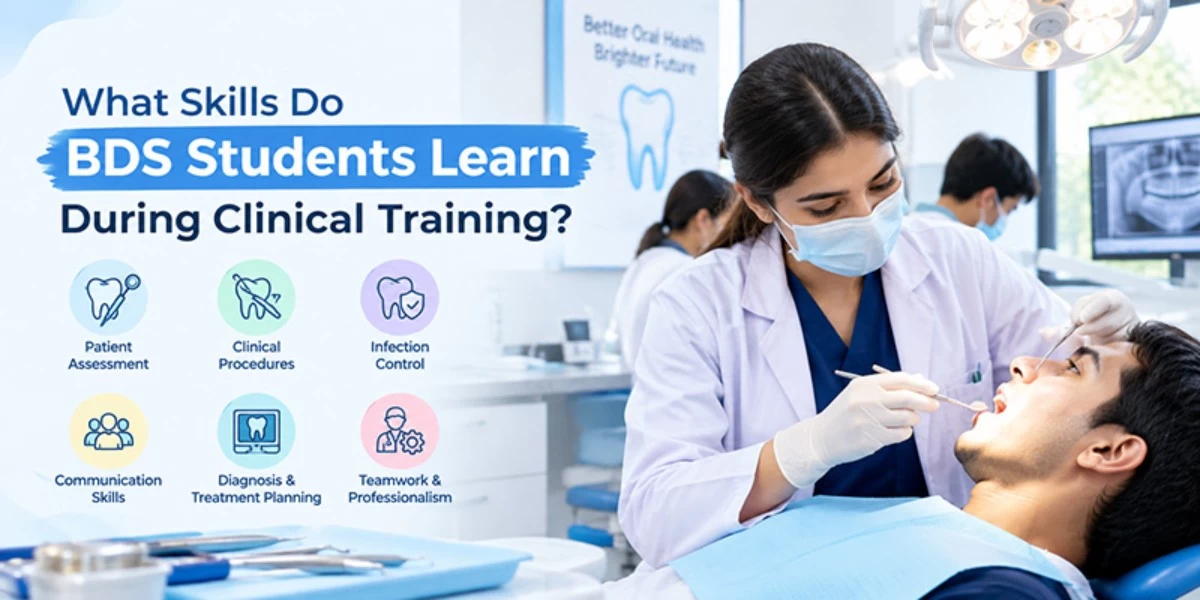
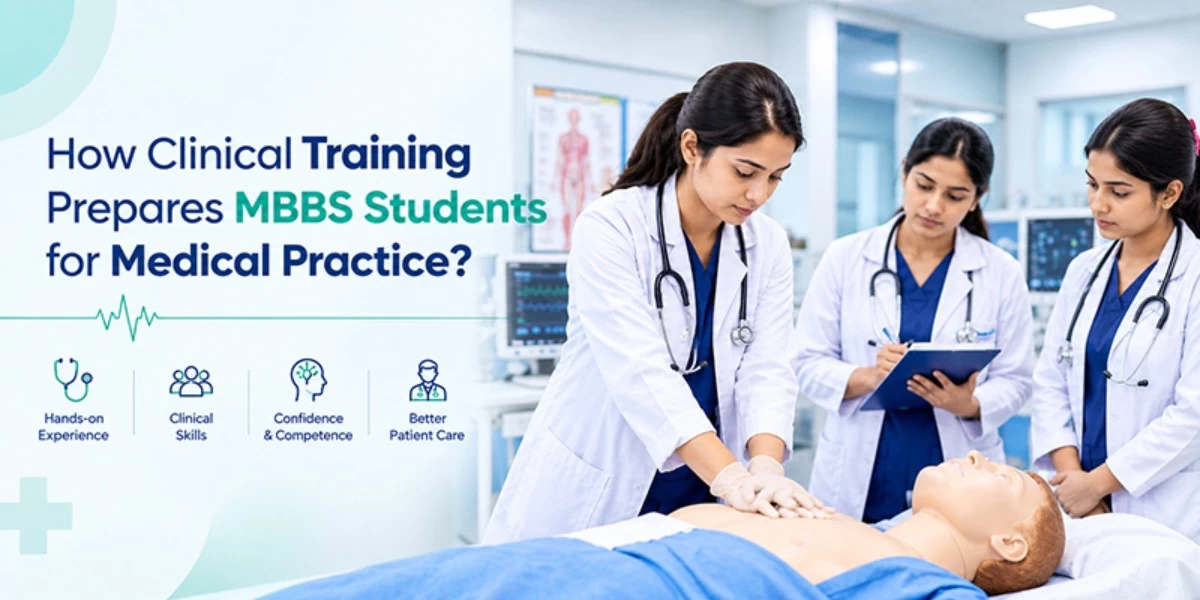
Studying Bachelor of Dental Surgery (BDS) is not only about learning dental subjects from books and lectures. Students also need practical experience to understand how dental care is provided to real patients. Clinical training gives BDS students an opportunity to apply what they learn in classrooms and develop the skills needed for their future careers.
During clinical training, students gradually learn how to examine patients, understand dental problems, plan treatment, communicate clearly and follow safe clinical practices. The level of responsibility increases as students gain more knowledge and confidence.
At University Medical & Dental College (UMDC), students receive opportunities to develop their dental knowledge and practical abilities through academic and clinical learning. Students can also explore dental education and training opportunities to learn more about its learning environment.
Clinical training connects classroom learning with real dental care. Students may understand a dental condition in theory, but treating or examining a patient requires a different set of skills.
Clinical practice helps students learn how to communicate with patients, collect relevant information, perform examinations and work under the supervision of experienced faculty.
This training also helps students become more comfortable in a clinical environment. They learn how to follow instructions, maintain professional behavior and understand their responsibilities when working with patients.
BDS students develop a wide range of skills during their clinical education. These skills are not limited to dental procedures. They also include communication, diagnosis, patient safety, teamwork and professional conduct.
One of the first important skills students develop is the ability to examine a patient properly.
Students learn how to take a dental and medical history and ask relevant questions about a patient's symptoms. They also learn how to carry out an oral examination and identify signs that may need further investigation.
A careful examination is important because it helps the dental student understand the patient's condition before deciding on the next step.
Students also develop dental diagnosis skills by learning how to connect a patient's history, clinical findings and diagnostic information.
They may learn to recognize common oral conditions and understand when additional tests or radiographs may be needed. The purpose is not simply to identify a condition but to understand the information that supports a clinical decision.
With practice and guidance, students become better at organizing information and discussing possible diagnoses with their supervisors.
Good communication is an important part of dentistry. Students need to explain dental problems and treatment steps in language that patients can understand.
During clinical training, students develop patient communication skills by learning how to listen carefully, ask clear questions, explain procedures and respond respectfully to patient concerns.
Communication can also help patients feel more comfortable during dental visits. A student who communicates clearly can build trust and create a better clinical experience.
Students do not usually move directly from classroom learning to performing complex procedures independently. Clinical education is developed step by step.
Students first learn the basic principles of a procedure. They may observe demonstrations and practice under supervision before performing clinical tasks according to their level of training.
For example, UMDC's Oral and Maxillofacial Surgery department provides BDS students with training in areas such as exodontia, infection management, local anesthesia, medical emergencies, trauma basics and pre- and post-operative care. The department also describes supervised clinical practice as part of this training.
This type of supervised practice allows students to learn from their teachers while gradually improving their confidence and technical abilities.
Patient safety is an important part of dental education. Students learn that every clinical procedure should be carried out carefully and according to appropriate safety practices.
They learn about infection prevention, sterilization, the correct use of instruments and safe clinical procedures. They also learn why patient information should be handled responsibly.
These lessons help students understand that being a dentist involves more than performing procedures. It also requires careful attention to the patient's health and safety.
Treatment planning is another important part of clinical learning. Students learn that different patients can have different needs, even when they have similar dental problems.
They may be required to review the patient's history, examination findings and diagnostic information before discussing possible treatment options with their supervisor.
This process helps students develop logical thinking and understand why one treatment approach may be more suitable than another.
Treatment planning also teaches students to consider the patient's needs, oral health, comfort and long-term care.
Yes. Dental care includes several areas of practice and students gradually become familiar with different dental specialties during their education.
Depending on their stage of training, students may gain exposure to areas such as oral medicine, oral and maxillofacial surgery, operative dentistry, prosthodontics, orthodontics and periodontology. Students can also explore the Dental Clinical Sciences departments at UMDC to understand the different clinical areas included in their dental education.
This broad exposure helps students understand how different dental specialties can work together when managing a patient's oral health needs.
Confidence develops through repeated learning and supervised practice. At the beginning, students may feel nervous about examining patients or performing clinical tasks.
With regular practice, they become more familiar with instruments, clinical procedures, patient interaction and the steps involved in providing care.
Students also learn from mistakes and feedback. Faculty supervision helps them identify areas that need improvement and understand how to perform tasks more safely and effectively.
A strong BDS student clinical experience can therefore help students become more prepared for future professional responsibilities.
Clinical education also helps students develop skills that are useful beyond individual procedures.
These include:
These skills can support students as they move from supervised learning toward greater professional responsibility.
The main purpose of clinical education is to help students connect their academic knowledge with real patient care.
Students learn how to approach a patient, understand the problem, plan appropriate care and carry out clinical tasks under supervision. They also learn how to communicate professionally and follow safety procedures. Students can also review the BDS curriculum guidelines from PM&DC to understand the broader requirements for undergraduate dental education.
UMDC's Prosthodontics department, for example, describes structured clinical and pre-clinical training for BDS students, including clinical demonstrations, simulation facilities, treatment planning, case documentation, communication and professional conduct.
These experiences help students understand what is expected in a professional dental environment.
Students should focus on understanding rather than simply completing clinical requirements. Every patient interaction can provide an opportunity to learn something new.
It is useful to:
Students should also remember that clinical skills improve over time. It is normal to need repeated practice before feeling comfortable with a procedure.
Clinical training is an important part of BDS education because it helps students turn theoretical knowledge into practical abilities. From patient examination and diagnosis to communication, treatment planning, infection control and professional conduct, students gradually develop the skills needed for dental practice.
BDS clinical training also teaches students how to work responsibly with patients and how to learn from experienced faculty. With regular practice, supervision and a positive approach to learning, students can build greater confidence and become better prepared for their future roles as dental professionals.
For students considering BDS, understanding the role of clinical training can help them see how dental education goes beyond textbooks and classroom lectures. It is a gradual process that combines knowledge, practical learning, patient care and professional development.
Copyright 2026 UMDC.