



Date: Aug 24, 2026
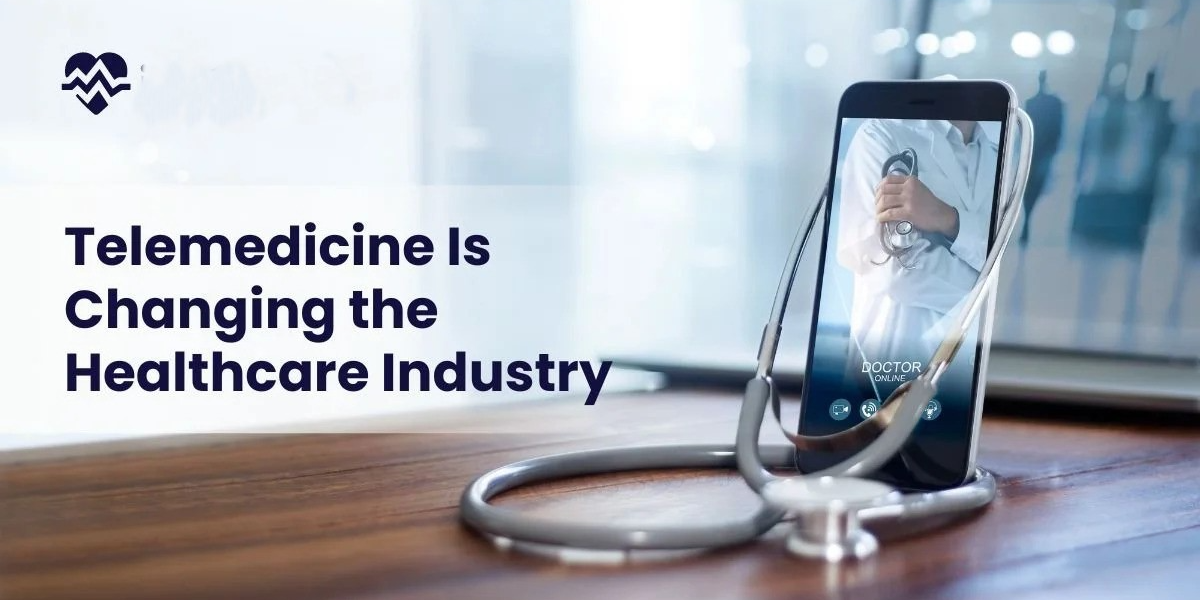
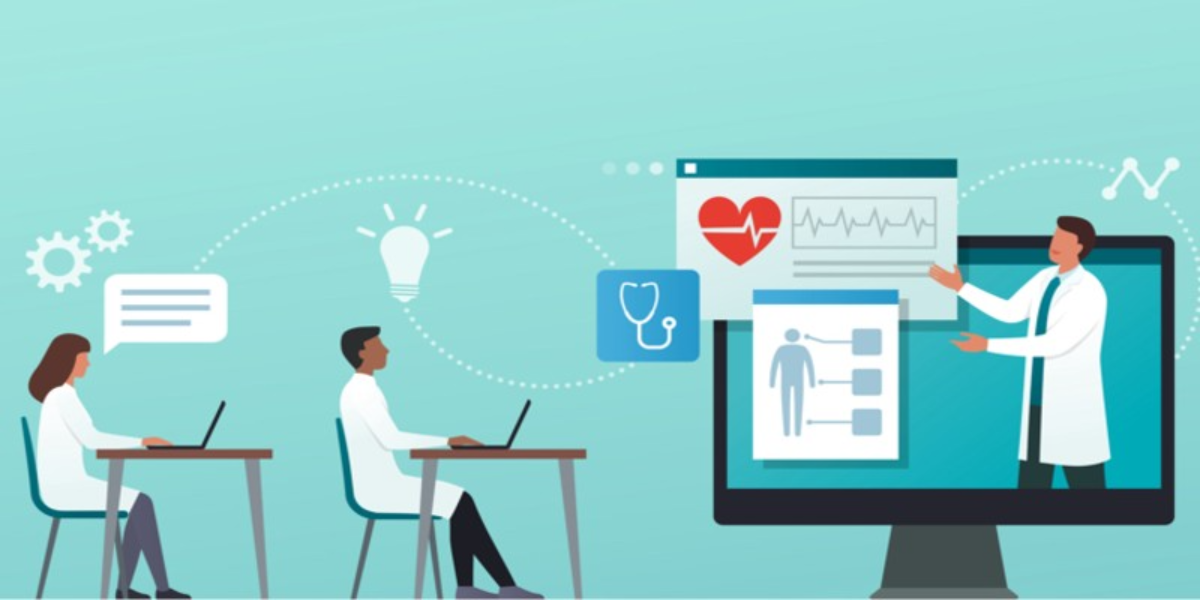
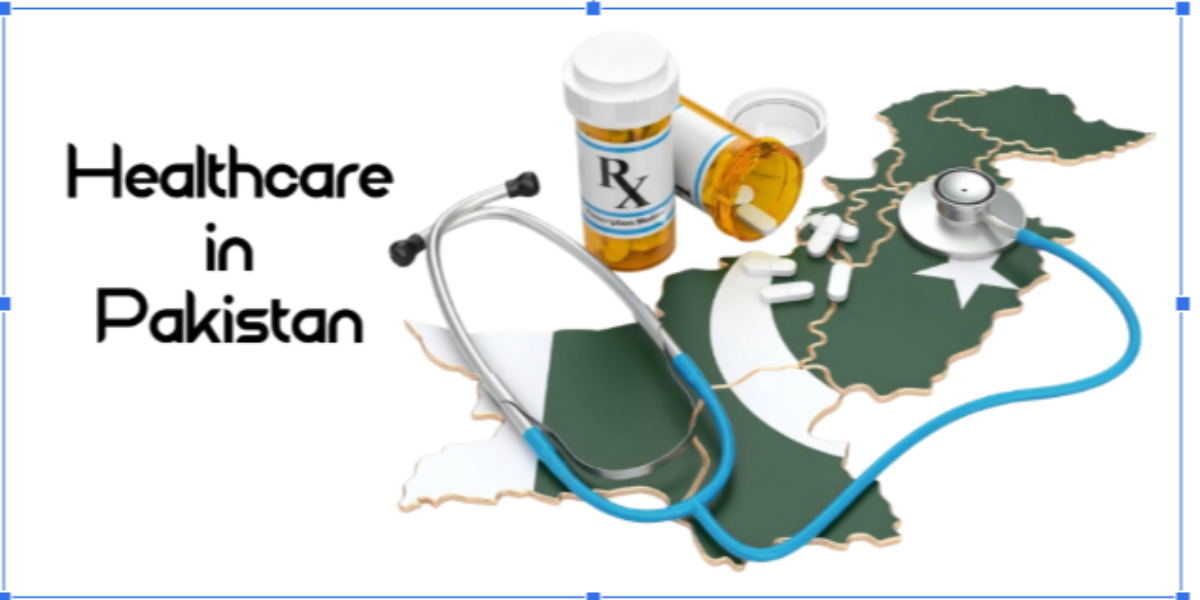
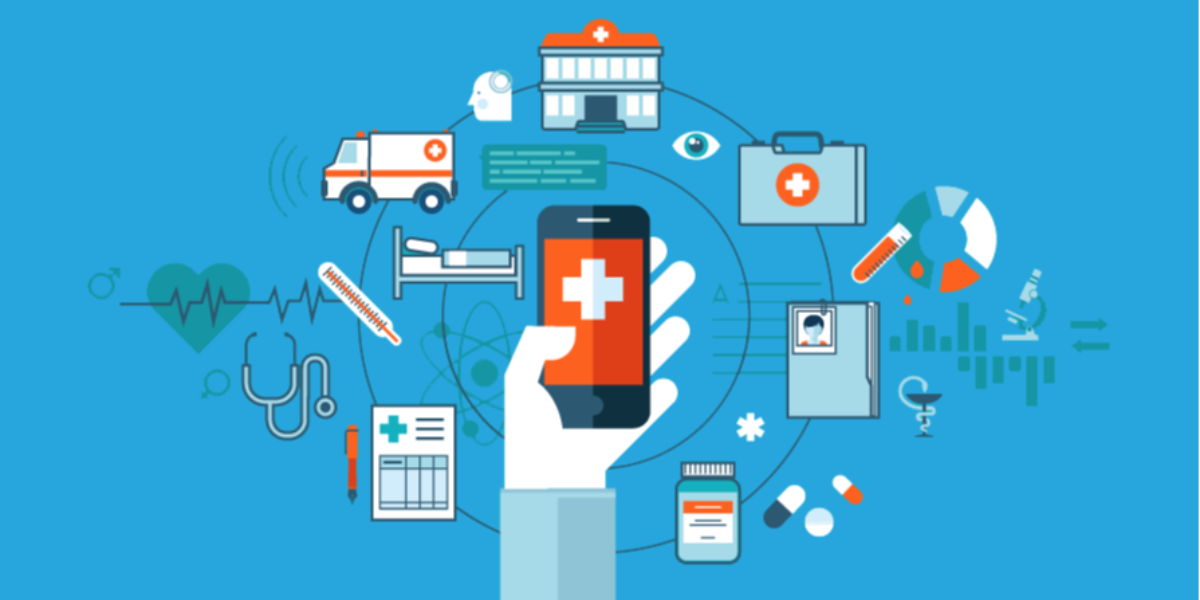
The healthcare landscape in Pakistan is undergoing a profound structural evolution, with digital health platforms and virtual consultations rapidly reshaping traditional medical practice. Historically, accessing quality healthcare required patients in rural or suburban regions to undertake long, costly journeys to major metropolitan centers. Today, telemedicine is bridging these geographical divides, enabling instant communication between patients and certified specialists regardless of distance. Beyond basic convenience, this digital shift is fundamentally altering the interpersonal dynamic between physicians and patients, replacing rigid, office-centric interactions with continuous, collaborative, and accessible care. Institutions such as University Medical and Dental College recognize the necessity of adapting medical training to this digital frontier, ensuring that future practitioners maintain strong clinical communication skills across virtual channels.
One of the most transformative aspects of virtual care in Pakistan is its power to democratize access to specialized medical consultations. In rural areas where specialist shortages are acute, telemedicine platforms allow families to seek medical advice without incurring high travel expenses or lost workdays. Furthermore, digital consultations offer a discreet and culturally comfortable alternative for patients, particularly women who face mobility challenges or social barriers when seeking sensitive care in person. By bringing care directly into the home, telemedicine builds greater trust and encourages individuals to seek early intervention rather than delaying treatment until conditions become severe.
In the traditional Pakistani medical environment, consultations are frequently brief and focused almost entirely on acute symptom relief. Telemedicine shifts this paradigm toward a sustained, continuous model of health management. Through digital prescription management, remote lab test scheduling, and direct messaging, doctors can follow up with patients regularly to evaluate treatment progress. For chronic illnesses like hypertension and diabetes, this ongoing dialogue turns patients from passive care recipients into active partners in their health journeys. Aspiring healthcare professionals interested in learning how modern clinical programs incorporate technology and patient-centered communication can review the Admission Guide to explore academic pathways in modern healthcare education.
As virtual consultations become an everyday reality, training programs must equip medical graduates with "webside manner" the ability to demonstrate empathy, active listening, and thorough clinical assessment through a screen. Evaluating a patient remotely requires acute observational skills, clear communication, and precise instruction for self-reporting vitals. Examining an updated MBBS Curriculum demonstrates how progressive institutions prepare future doctors to handle both physical ward rounds and virtual consultation tools safely, ethically, and effectively.
While the expansion of telemedicine in Pakistan holds immense potential, ensuring digital equity, protecting patient data privacy, and maintaining clear clinical guidelines remain ongoing priorities. As internet connectivity spreads and digital literacy improves, virtual platforms will continue to complement, rather than replace, essential in-person emergency and surgical care. The evolving doctor-patient relationship in Pakistan is becoming more transparent, efficient, and compassionate. For prospective students and families looking to invest in a forward-thinking medical education that addresses these digital trends, reviewing the transparent Fee Structure provides a clear blueprint for pursuing a career in modern medicine
Copyright 2026 UMDC.