



Date: Sep 25, 2026
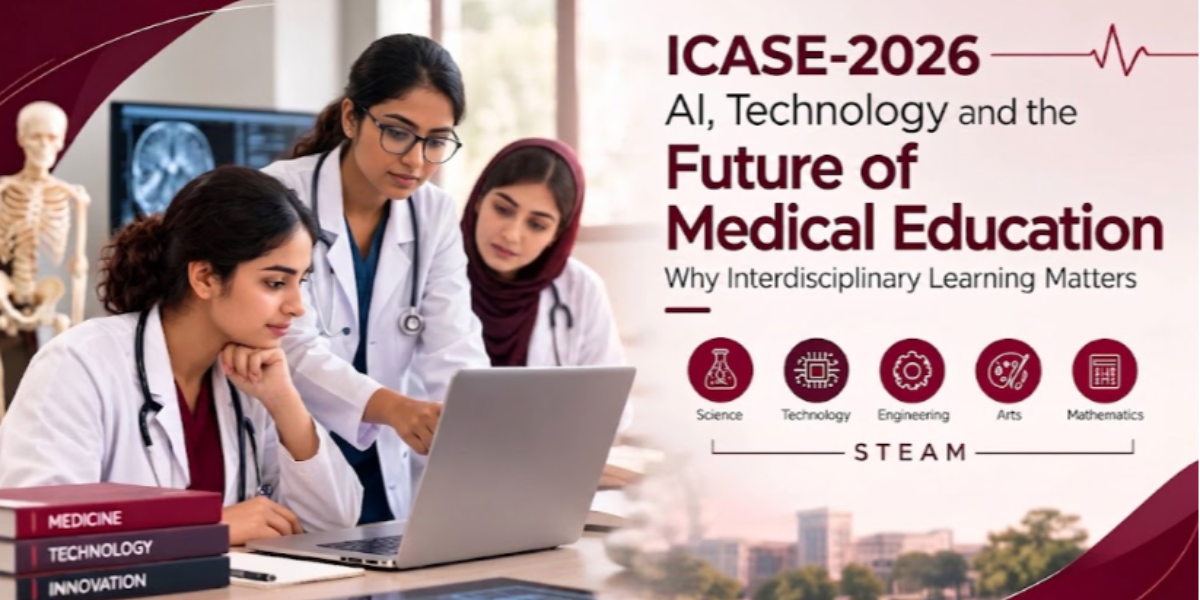
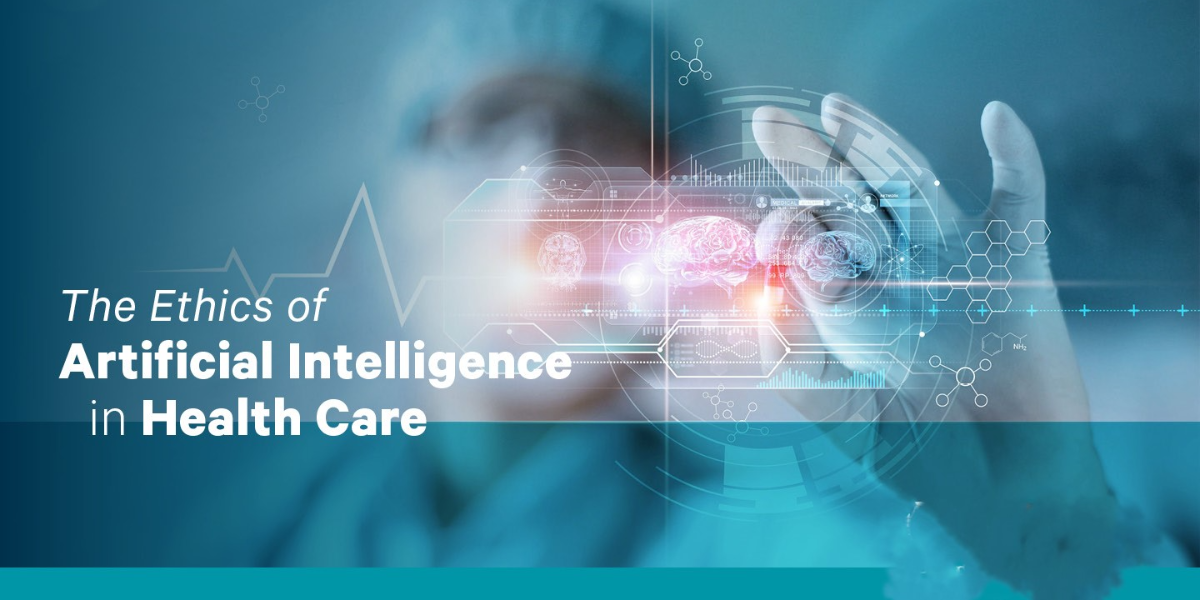
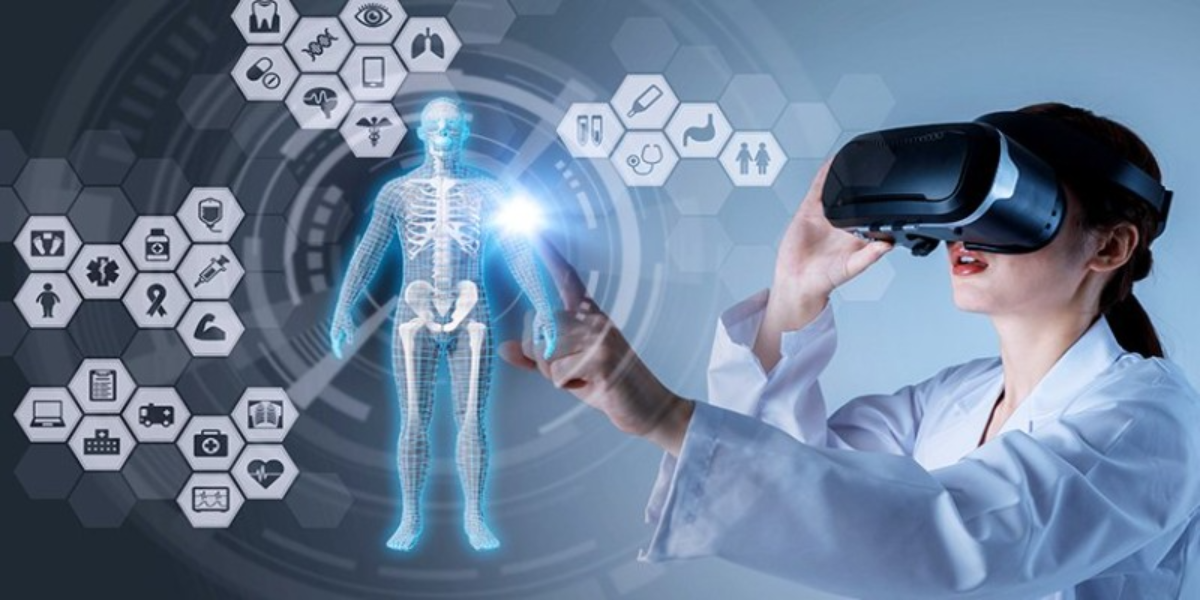
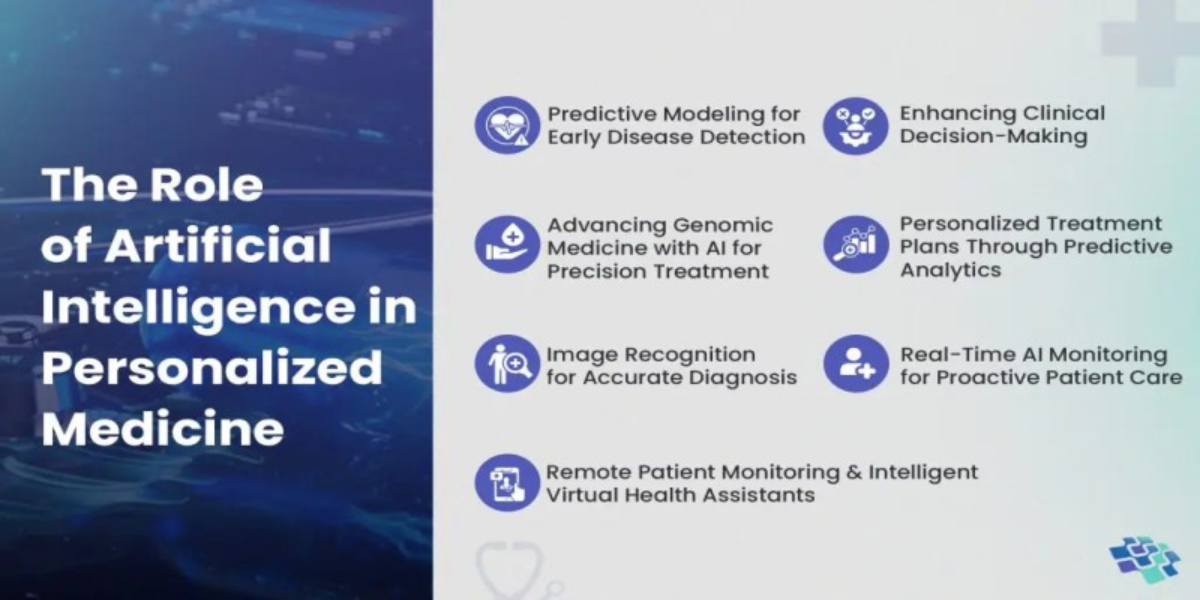
Artificial intelligence is becoming part of conversations across almost every sector, and healthcare education is no exception. From digital learning tools and medical simulations to data analysis and decision-support technologies, advances in technology are creating new possibilities for how future healthcare professionals learn. But technology alone is not enough. The real opportunity lies in combining technology with strong medical knowledge, critical thinking, ethics, and human understanding. This is particularly relevant to AI in medical education.
AI can support learning in several ways. Students can use digital tools to explore complex concepts, practise problem-solving and access information in new formats. Educators can also explore technologies that support personalised learning and interactive educational experiences. At the same time, students need to understand the limitations and ethical considerations surrounding AI.
A future doctor needs scientific knowledge and clinical competence. But healthcare also requires communication, empathy, ethical judgement, and the ability to work with people from different professional backgrounds. This is where interdisciplinary education becomes important.
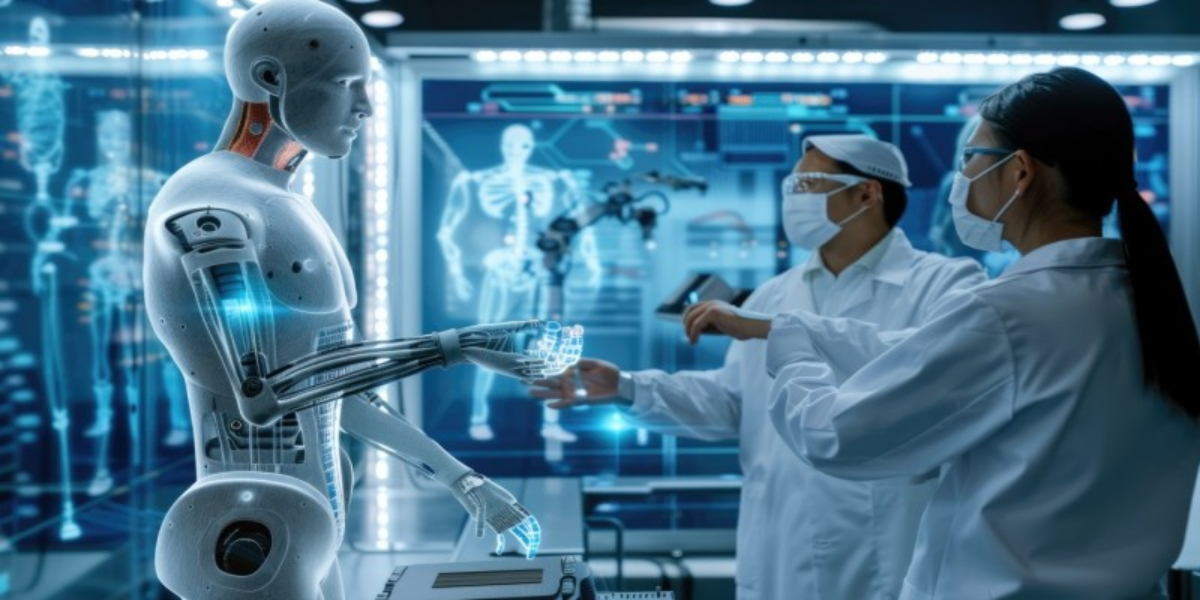
Medical professionals increasingly work alongside technology specialists, researchers, data professionals and engineers. Understanding the language and possibilities of these fields can make collaboration easier. STEAM provides a framework for encouraging connections between scientific knowledge, technology, engineering, creativity, and analytical thinking. This connection is also important when considering AI and healthcare.
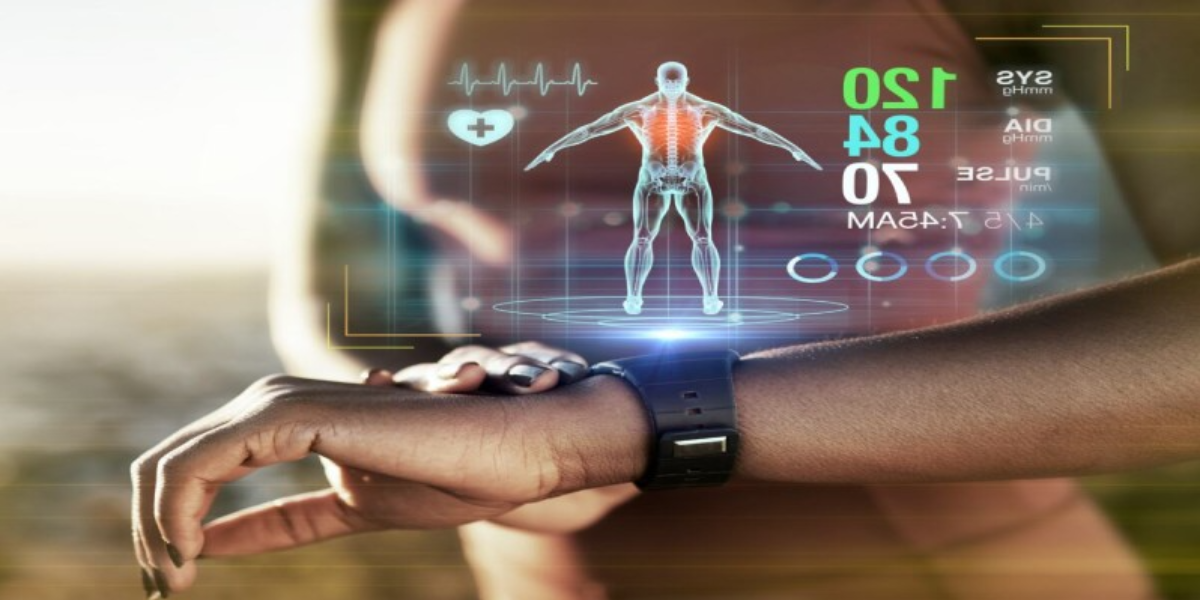
The use of AI in healthcare raises important questions. How should data be handled? How should AI-generated information be evaluated? What role should human judgement play? How can technology support patients without replacing the human side of healthcare? These questions require contributions from medical professionals, technologists, educators, policymakers, and ethicists.
Why Future Medical Professionals Need Broader Exposure
Medical students will enter a healthcare environment that continues to evolve. Exposure to interdisciplinary discussions can help students understand the wider forces shaping their profession. Conferences, research discussions and academic collaborations can provide opportunities to learn about developments outside the traditional classroom.
ICASE-2026 focuses on “STEAM for Future-Ready Societies” and includes Artificial Intelligence, Intelligent Learning and Digital Transformation among its thematic areas. The conference also covers smart healthcare systems, future skills, educational technology, and other areas that connect naturally with the future of medical education research.
The future of medical education is unlikely to be defined by one technology. Instead, it will be shaped by the combination of knowledge, technology, research, ethics and human-centred practice. For students and educators, this makes interdisciplinary learning increasingly relevant.
AI is changing the healthcare conversation, but people remain at the centre of healthcare. The challenge is not simply to adopt new technology. It is to understand where technology can genuinely improve learning, research and healthcare while maintaining professional and ethical standards. ICASE-2026 provides an opportunity to explore these questions through a wider STEAM education perspective. ICASE 2026 is already represented by the existing wording above, so I would not add the keyword again if you require each target phrase only once.
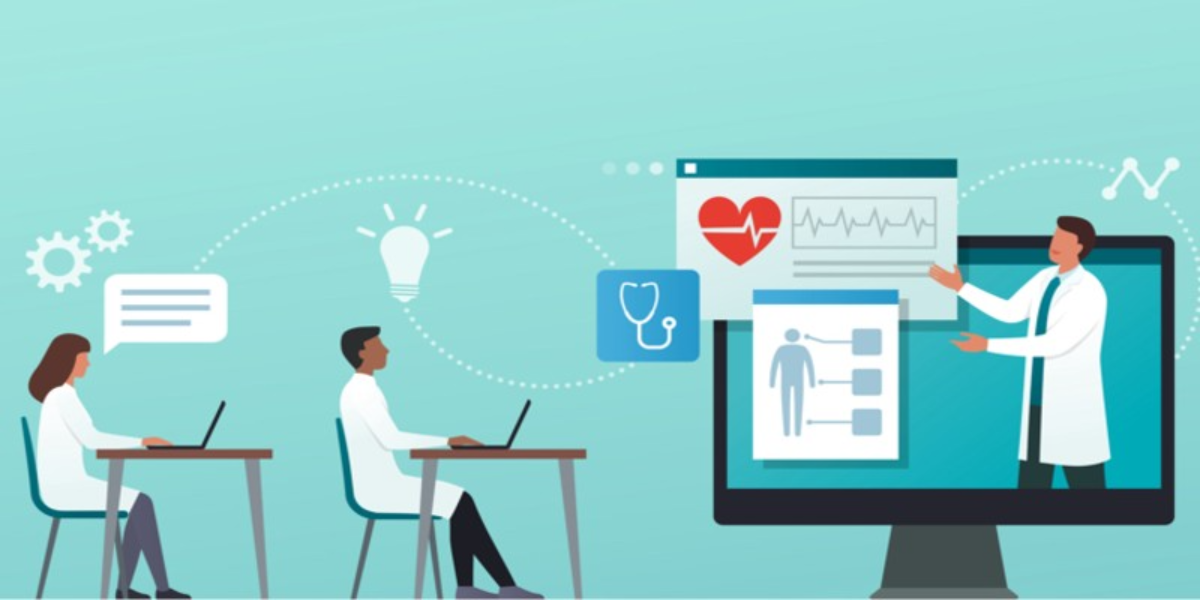
AI in medical education can support personalised learning, digital simulations, interactive educational tools and access to complex information. It can also help students practise problem-solving while giving educators new ways to create engaging learning experiences.
AI and healthcare education can help future medical professionals understand how artificial intelligence, data analysis and digital technologies are being used in modern healthcare. It can also encourage students to think critically about the opportunities and limitations of these technologies.
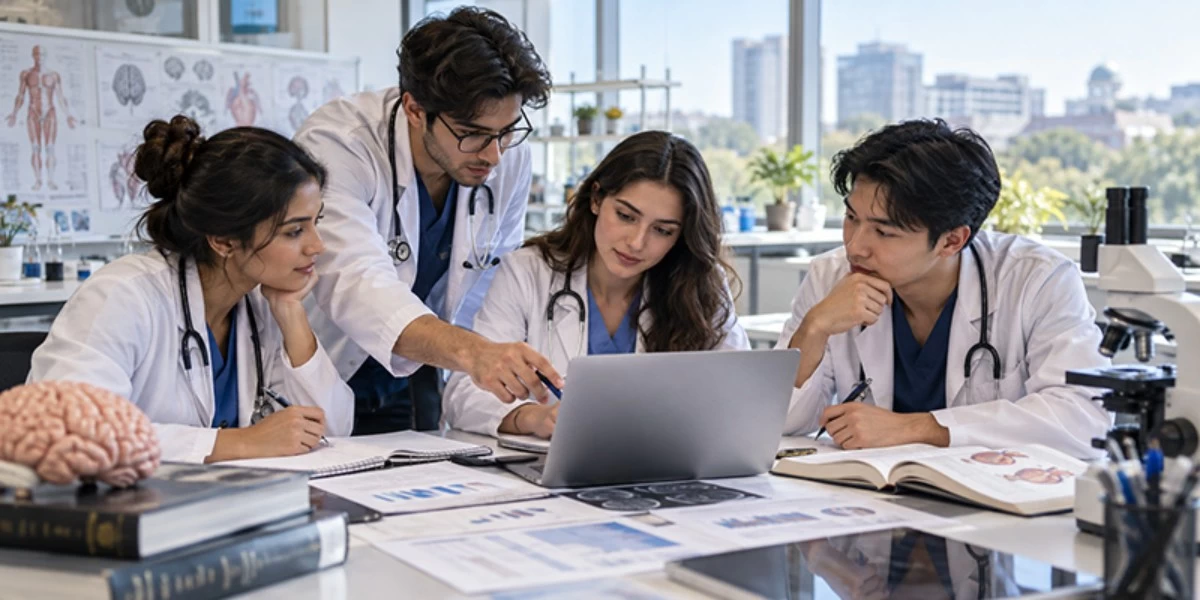
Interdisciplinary learning helps medical students understand how medicine connects with fields such as technology, engineering, data science and research. This broader perspective can support collaboration and prepare students for an increasingly technology-driven healthcare environment.
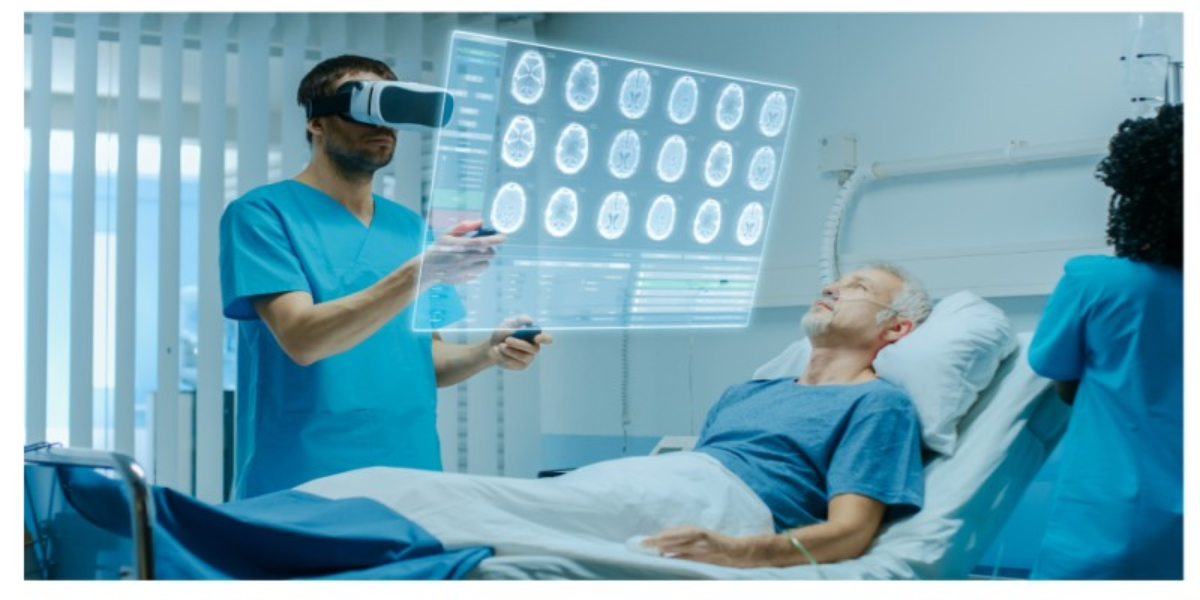
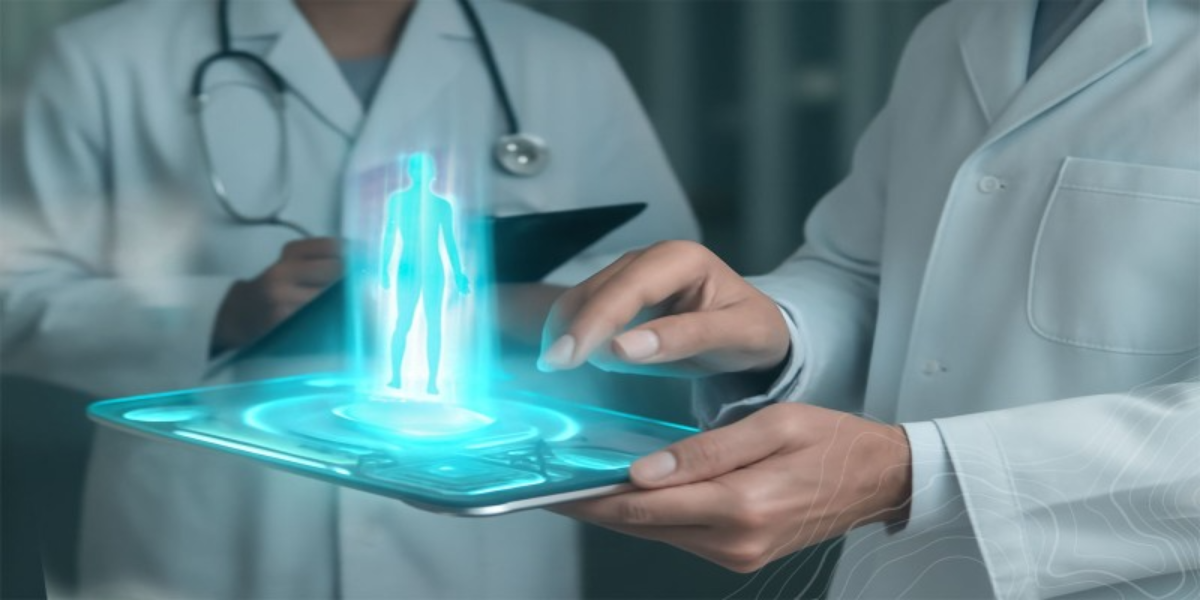
Medical education technology can support digital learning, medical simulations, data-based learning, and interactive educational experiences. As technology continues to develop, future medical professionals will increasingly need to understand how these tools can complement clinical knowledge and human judgement.
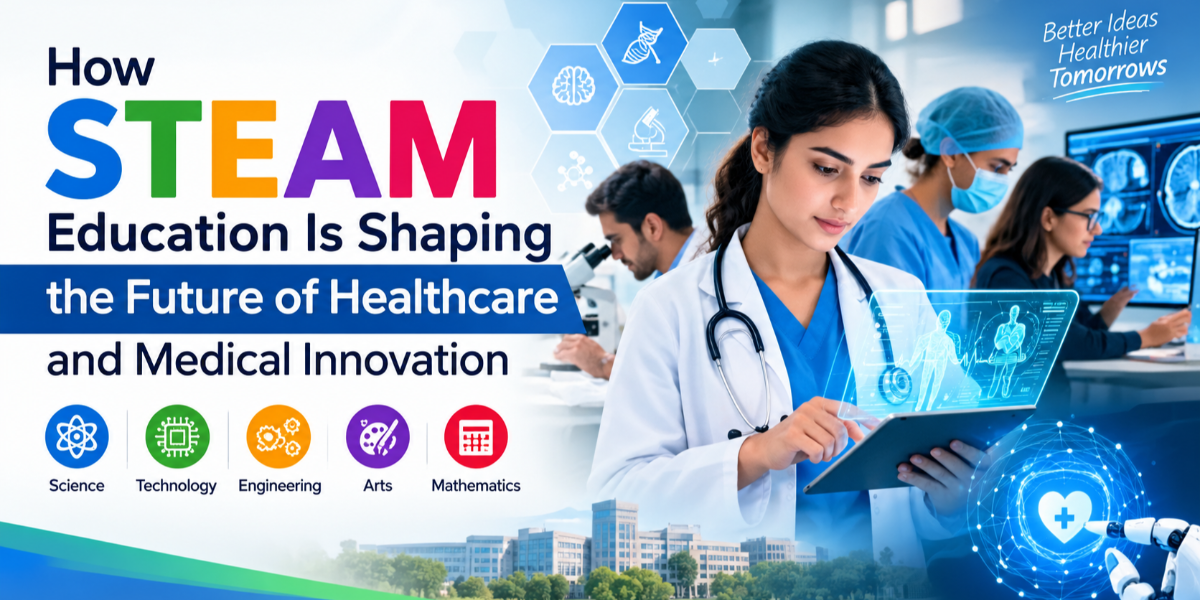
STEAM education connects science, technology, engineering, arts and mathematics with interdisciplinary problem-solving and creativity. In medical education, this approach can encourage students to explore healthcare challenges from multiple perspectives and better understand the relationship between medicine, technology, and innovation.
Copyright 2026 UMDC.