



Date: Sep 19, 2026
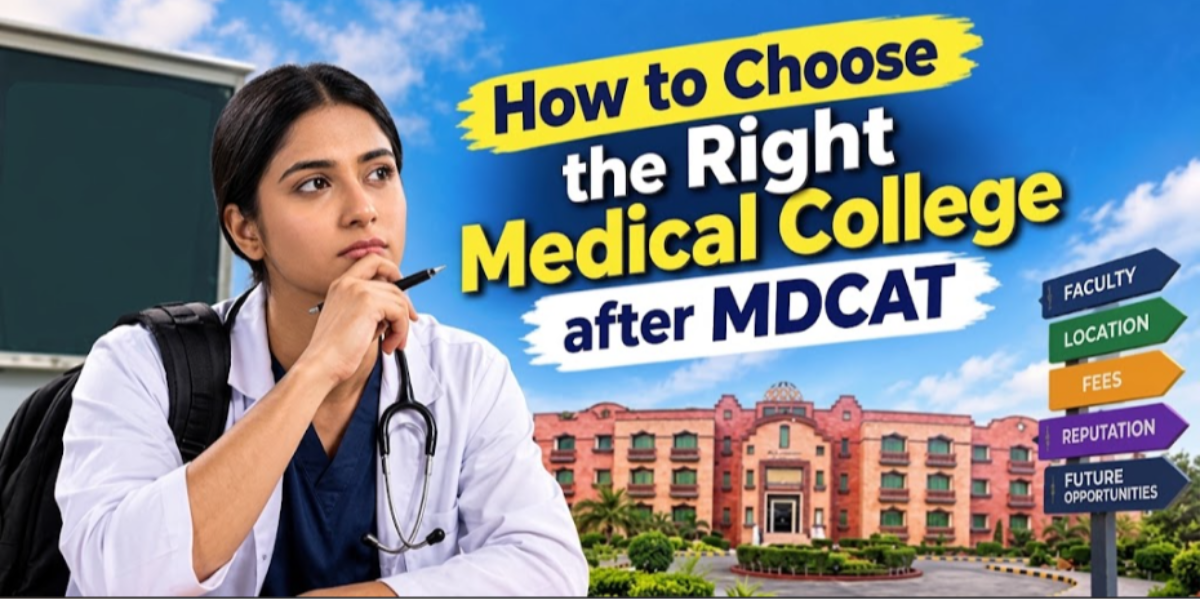
Getting through the MDCAT is an important step toward starting your medical education. But after the test, another important decision comes up: How do you choose the right medical college? With many medical colleges offering MBBS and BDS programs, students may find it difficult to decide which college suits their academic goals, budget and future plans. A college should not be selected only because of its name, location or what other people recommend.
Before applying, it is important to look at factors such as recognition, academic quality, clinical training, teaching facilities, fees, student support and the overall learning environment. Here is a simple guide to help you choose the right medical college after MDCAT.
The first thing to check is whether the medical college is properly recognized by the relevant regulatory authority. For medical and dental education in Pakistan, students should check the current recognition status of the institution through the Pakistan Medical & Dental Council (PM&DC) before making an admission decision.
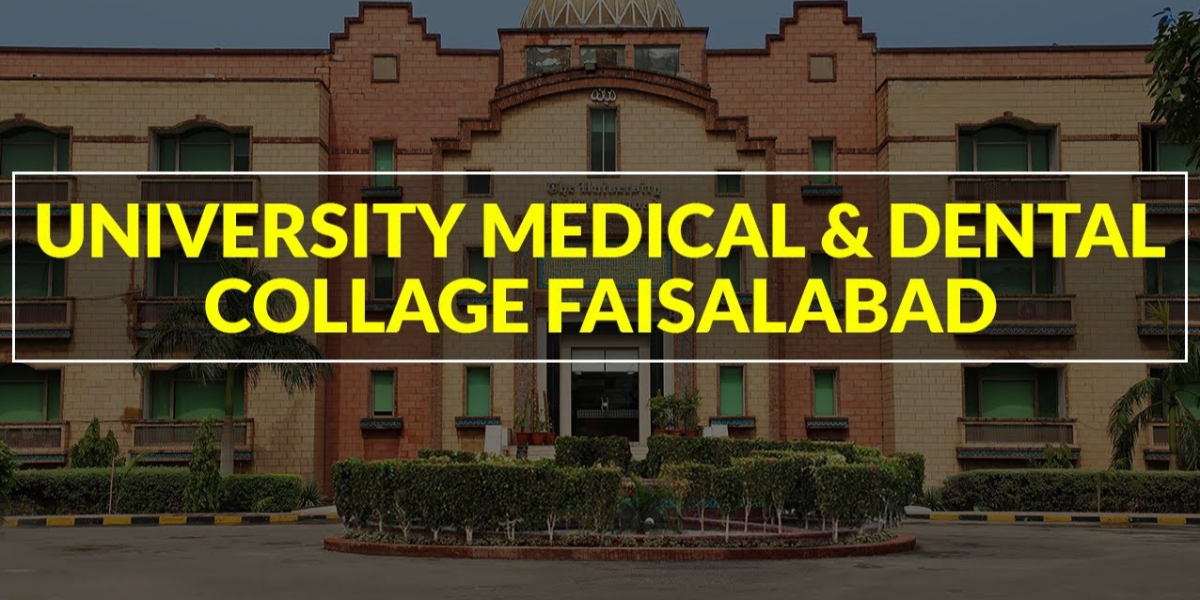
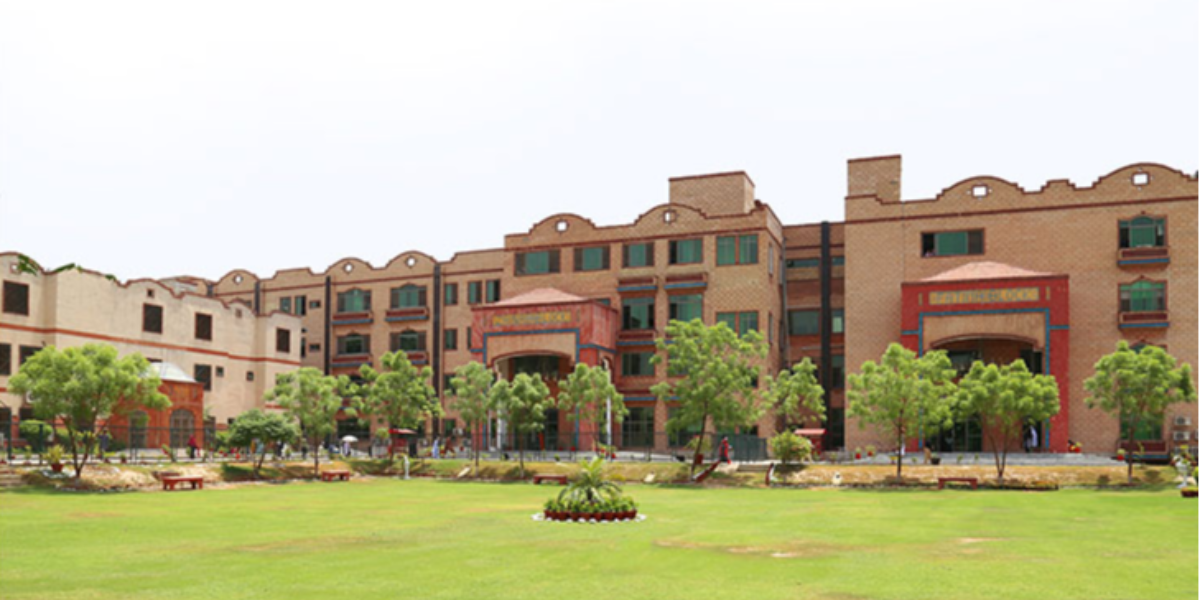
PM&DC maintains information about recognized medical and dental colleges, including University Medical & Dental College, Faisalabad. Recognition is important because your medical education and professional pathway depend on studying at an institution that meets the required regulatory standards. Before applying, check:
Always check the latest official information because admission policies and requirements can change from one session to another.
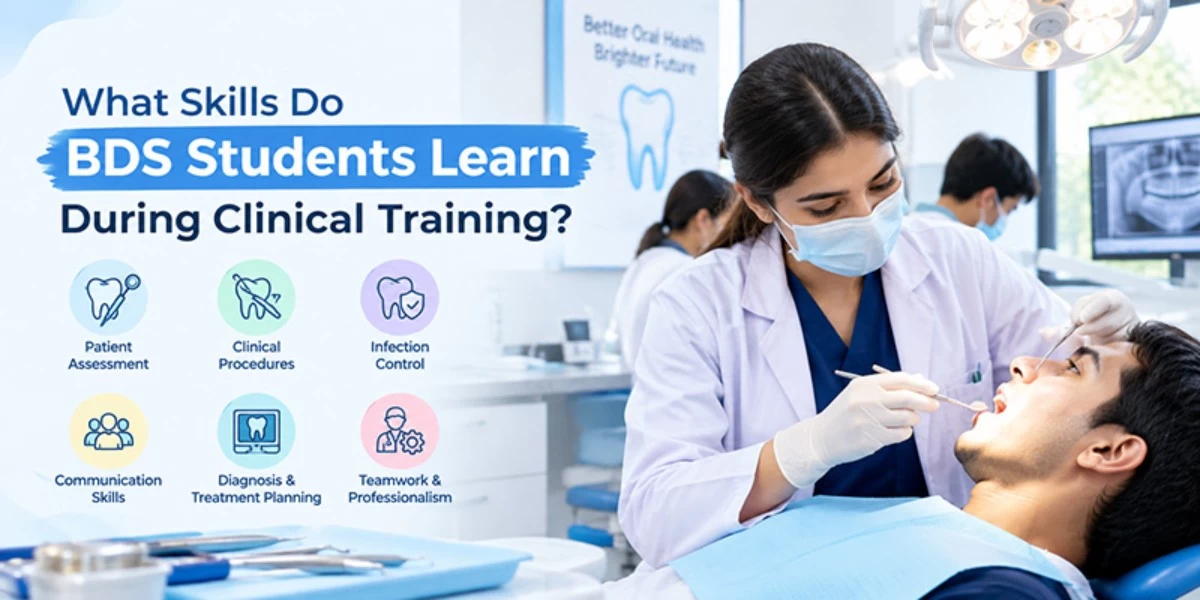
After MDCAT, students should be clear about the program they want to pursue. If your goal is to become a medical doctor, MBBS (Bachelor of Medicine and Bachelor of Surgery) is the relevant undergraduate degree. If you are interested in dentistry, BDS (Bachelor of Dental Surgery) is the relevant program.
Before selecting a college, review the program information carefully. Look at the duration, curriculum, academic structure, clinical training and other requirements. For example, University Medical & Dental College currently offers both MBBS and BDS programs. Its admission information states that the MBBS program is five years and the BDS program is four years.
Before applying, check:
Do not rely only on information from previous admission sessions. Always check the latest admission notice.
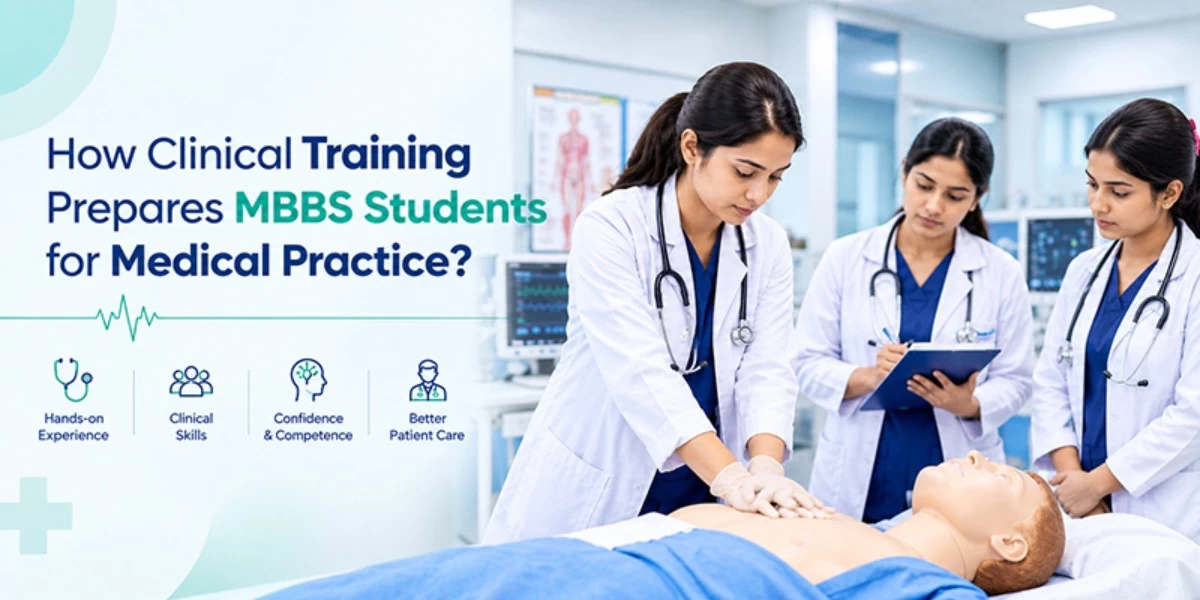
Medical education is not only about classroom learning. Clinical training is an important part of becoming a doctor. When comparing medical colleges, find out where students receive their clinical training and whether the college has access to an appropriate teaching hospital. Look for information about:
Madinah Teaching Hospital (MTH) provides a clinical learning environment where students can gain practical experience and learn from healthcare professionals. A medical college with a suitable clinical learning environment can help students connect their classroom knowledge with real healthcare situations.
Teachers play an important role in a student's medical education. Before choosing a college, explore information about its faculty members, departments, academic activities and student support services. A good academic environment should give students opportunities to ask questions, develop their knowledge and receive guidance throughout their studies. You can also check whether the college provides academic resources such as:
Do not select a college based only on advertisements. Review the actual information available on its official website and other reliable sources.
Fee structure is another major factor for students and their families. Before applying, check the complete fee structure instead of looking only at the basic tuition fee. Ask about additional charges that may apply during the academic year. Consider:
UMDC publishes admission and program information for prospective students, including details relevant to its MBBS and BDS admissions. Students should also check available scholarship options, eligibility criteria and application requirements before choosing a medical college.
Location can affect your daily student experience. Think about whether you prefer to study close to home or in another city. Consider travel time, accommodation, safety, living expenses and access to essential facilities. You should also explore the overall student environment. Look for information about student activities, societies, campus facilities and opportunities for personal development. A comfortable learning environment can make it easier to focus on your studies and adjust to medical college life.
Medical education continues beyond lectures and examinations. Research and academic activities can help students develop critical thinking and learn how medical knowledge is developed. When comparing colleges, look for opportunities such as:
These opportunities can add value to your educational experience and help you explore different areas of medicine.
A well-known name can attract students, but it should not be the only reason for selecting a medical college. Instead, compare the factors that matter to your education and future goals. Create a simple comparison of the colleges you are considering. You can compare their recognition, programs, admission requirements, clinical training, faculty, facilities, fees, location and student support. This makes the decision more organized and helps you avoid choosing a college based only on opinions from friends or social media.
Before submitting your application, visit the official website of the medical college and read the latest admission information. Check the current:
For example, UMDC provides an admission guide with current program and eligibility information for prospective students. Admission policies can change, so students should always confirm the latest requirements before applying.
Choosing a medical college after MDCAT is an important decision, but you do not have to make it based on one factor. Start by checking recognition and admission requirements. Then compare the academic program, clinical training, faculty, facilities, fees, student environment and learning opportunities. Most importantly, use current information from official and reliable sources. The right medical college is the one that matches your academic needs, career goals, financial situation and preferred learning environment.
Take your time, compare your options carefully and check the latest admission information before submitting your application. This can help you make a more informed choice about where to begin your journey in medical education. If you are considering MBBS or BDS after MDCAT, you should explore the latest admission information, programs, eligibility requirements and other details available from University Medical & Dental College (UMDC), Faisalabad before making your decision. For more medical education related informtion please visit our blog section.
Copyright 2026 UMDC.