



Date: Aug 05, 2026
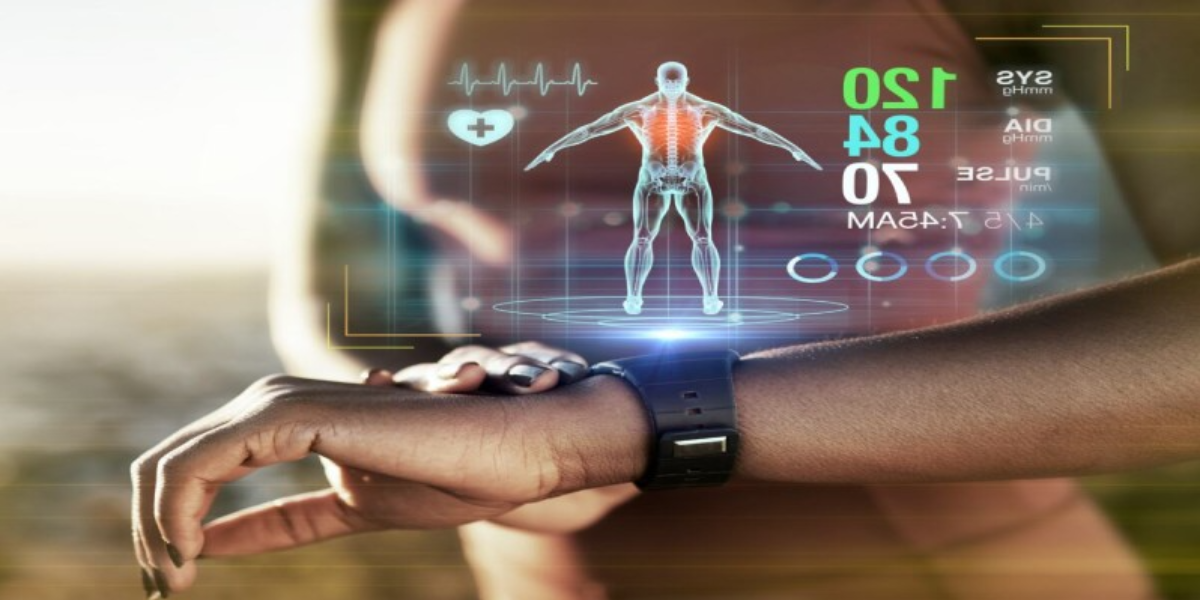
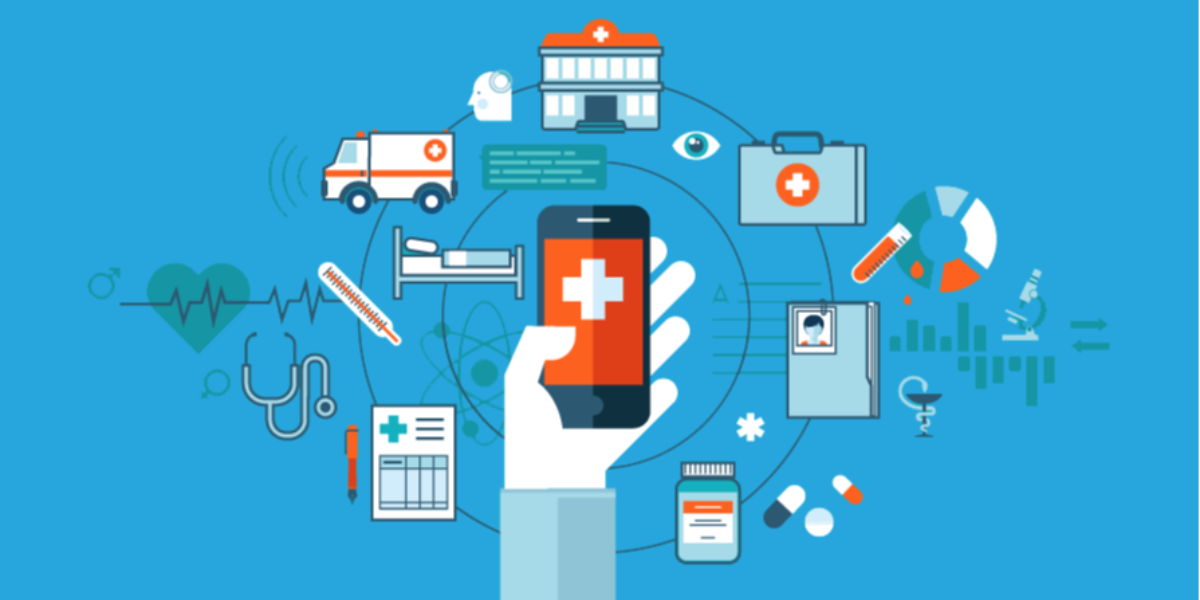
The healthcare sector is undergoing a massive digital transformation, driven largely by rapid developments in remote patient monitoring and personal diagnostic tools. Wearable devices such as smartwatches, continuous glucose monitors, and biosensors have evolved far beyond basic fitness trackers. Today, they represent a critical bridge between daily patient life and clinical decision-making. As these devices gather real-time biometric data, they allow medical professionals to detect health anomalies earlier, reduce hospital readmissions, and deliver highly personalized interventions. Organizations like University Medical and Dental College emphasize the importance of blending advanced medical knowledge with modern technology to improve patient outcomes across the globe.
Traditional medical models rely heavily on sporadic, in-person clinic visits that offer only a temporary snapshot of a patient's overall health. Wearable technology replaces this episodic model with continuous, non-invasive health tracking. Sensors can now monitor metrics like heart rate variability, electrocardiogram (ECG) rhythms, blood oxygen saturation, and sleep quality around the clock. By leveraging algorithms to analyze continuous data streams, clinicians can identify early indicators of conditions like atrial fibrillation or respiratory distress long before acute physical symptoms manifest.
Beyond helping doctors, smart devices empower individuals to take an active role in their personal wellness journeys. Real-time feedback regarding physical activity, stress levels, and metabolic responses encourages positive behavioral shifts. For chronic conditions such as type 2 diabetes and hypertension, daily tracking fosters stronger adherence to treatment plans. Students aiming to work in these evolving clinical settings can review the Admission Guide to learn about entering the medical field and mastering modern patient care practices.
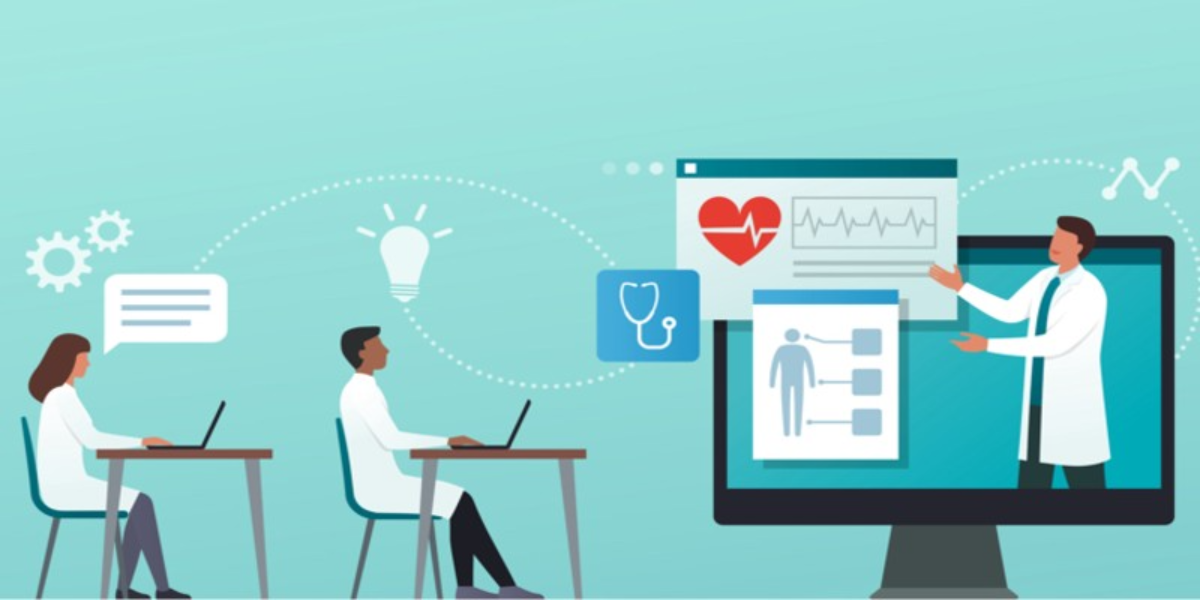
As digital diagnostics, telemetry, and electronic health record (EHR) systems become standard, medical education must evolve to match these clinical realities. Modern doctors must be skilled not only in bedside care but also in interpreting health data analytics. Reviewing a forward-thinking Mbbs Curriculum demonstrates how academic institutions prepare future physicians to merge traditional medicine with emerging digital tools seamlessly.
While wearable health technology offers incredible promise, the industry continues to work through challenges regarding data privacy, sensor calibration, and cross-platform integration. Overcoming these hurdles is essential for seamless clinical adoption. Looking ahead, the convergence of artificial intelligence and wearable sensors will make healthcare more preventive, precise, and accessible. For prospective students evaluating medical training programs in this modern era, reviewing the transparent Fee Structure provides a clear path forward toward building a career in next-generation medicine.
In conclusion, wearable health technology is no longer a futuristic concept it is a fundamental pillar of modern medicine that is actively redefining patient care. By transforming passive monitoring into real-time, actionable insights, these devices empower both patients and physicians to make smarter, faster, and more effective healthcare decisions. As smart tools continue to advance and integrate into daily medical practice, the future of healthcare promises to be more connected, proactive, and patient-centered than ever before. Embracing this digital shift today ensures a healthier, more responsive tomorrow for global patient care
Copyright 2026 UMDC.