



Date: Aug 20, 2026
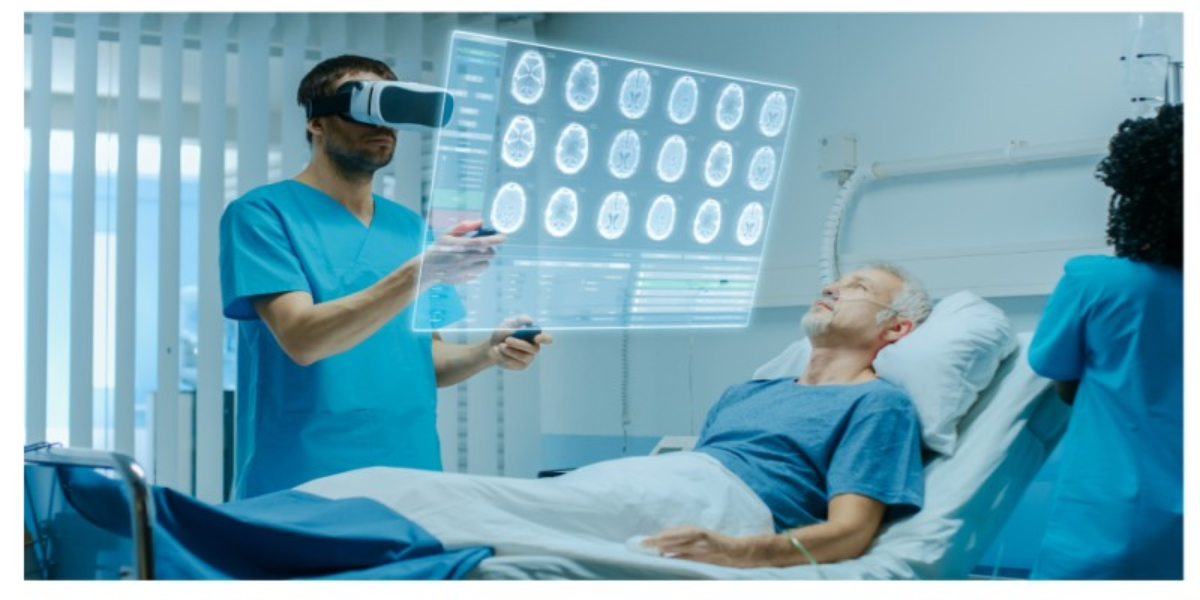
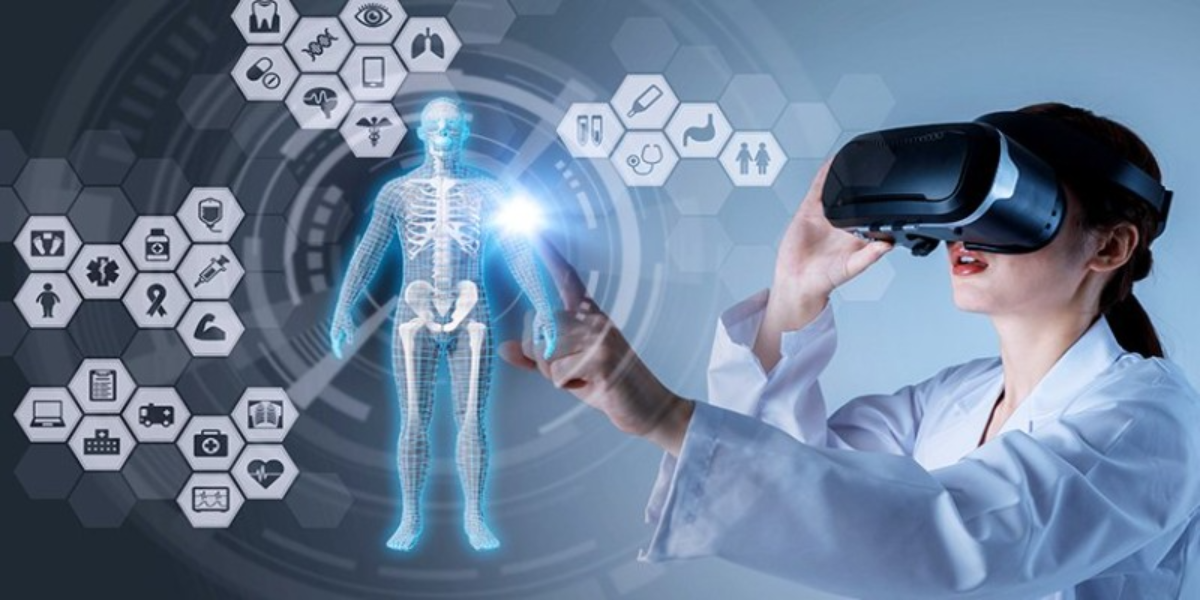
Medical education is undergoing a dramatic shift from traditional lecture-based teaching to immersive, technology-driven clinical learning. For decades, medical students relied primarily on heavy textbooks, static anatomical diagrams, and passive observation during clinical rounds. Today, advanced clinical simulation labs equipped with virtual reality (VR), augmented reality (AR), and high-fidelity "digital patients" are transforming how future doctors learn. These technologies offer a zero-risk, controlled environment where trainees can practice complex procedures, hone decision-making skills, and experience rare medical emergencies before ever stepping into an active operating room. Institutions like University Medical and Dental College recognize that integrating simulation into medical training is essential for bridging the gap between theoretical knowledge and real-world clinical confidence.
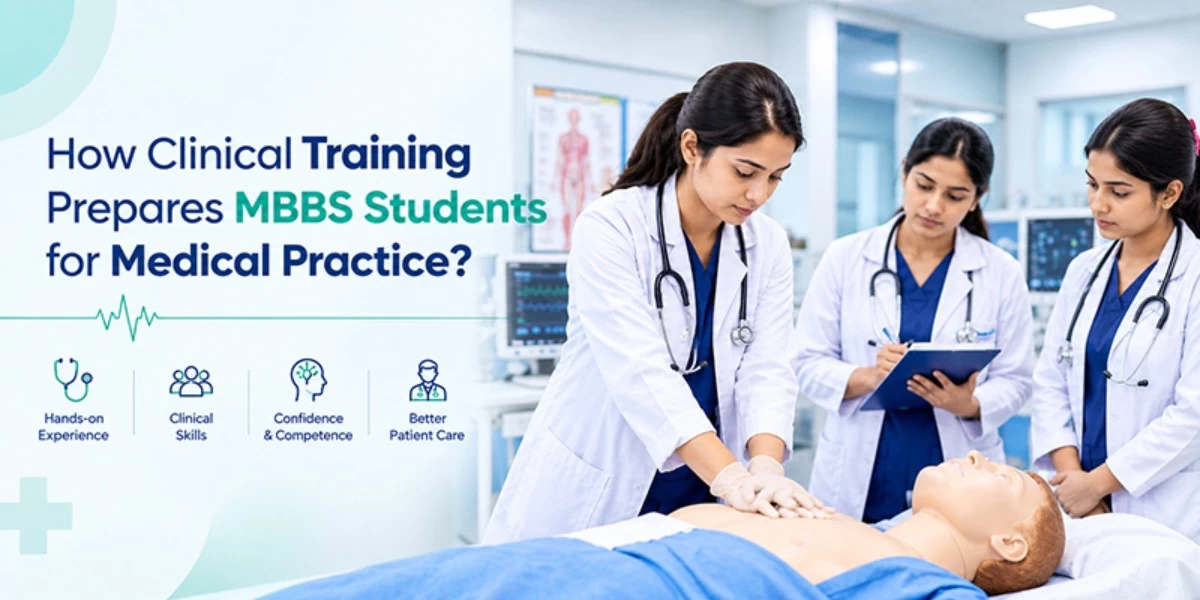
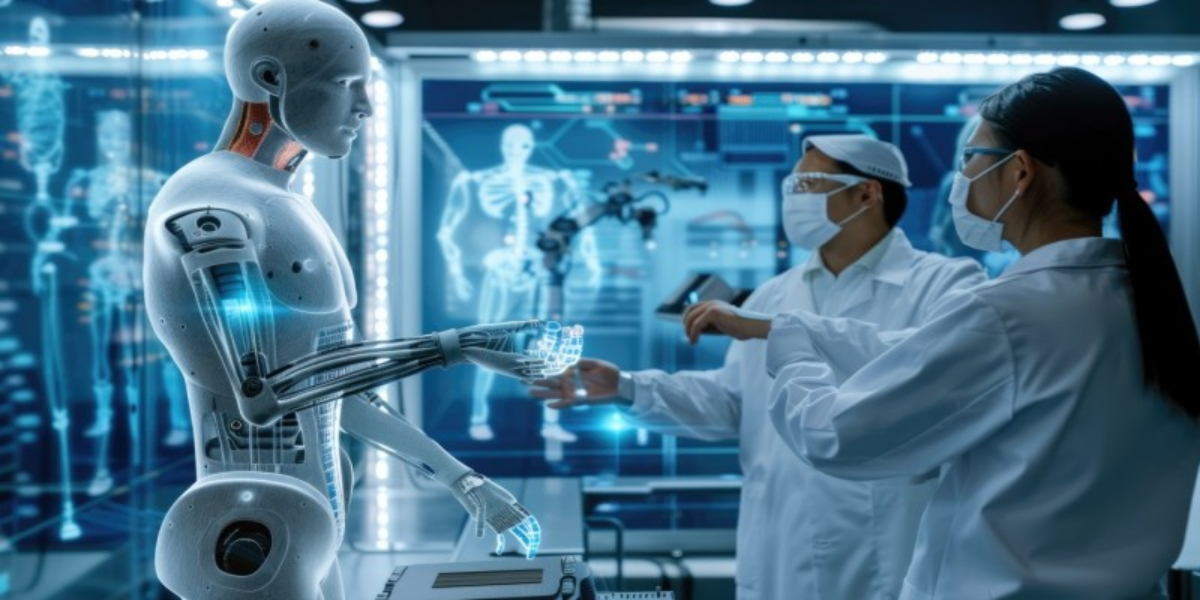
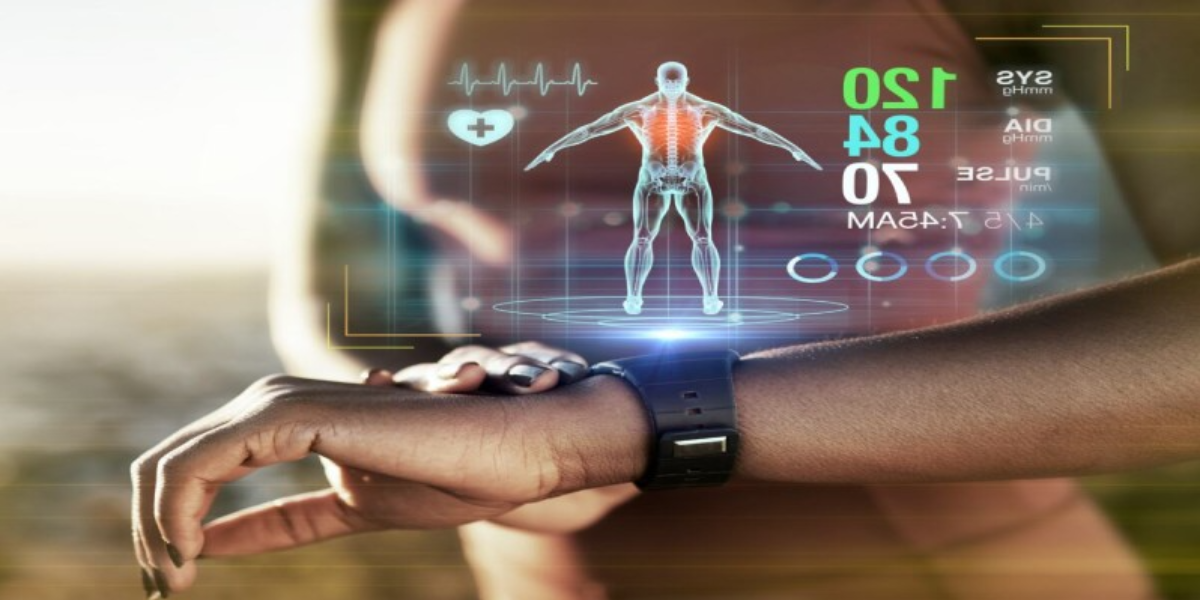
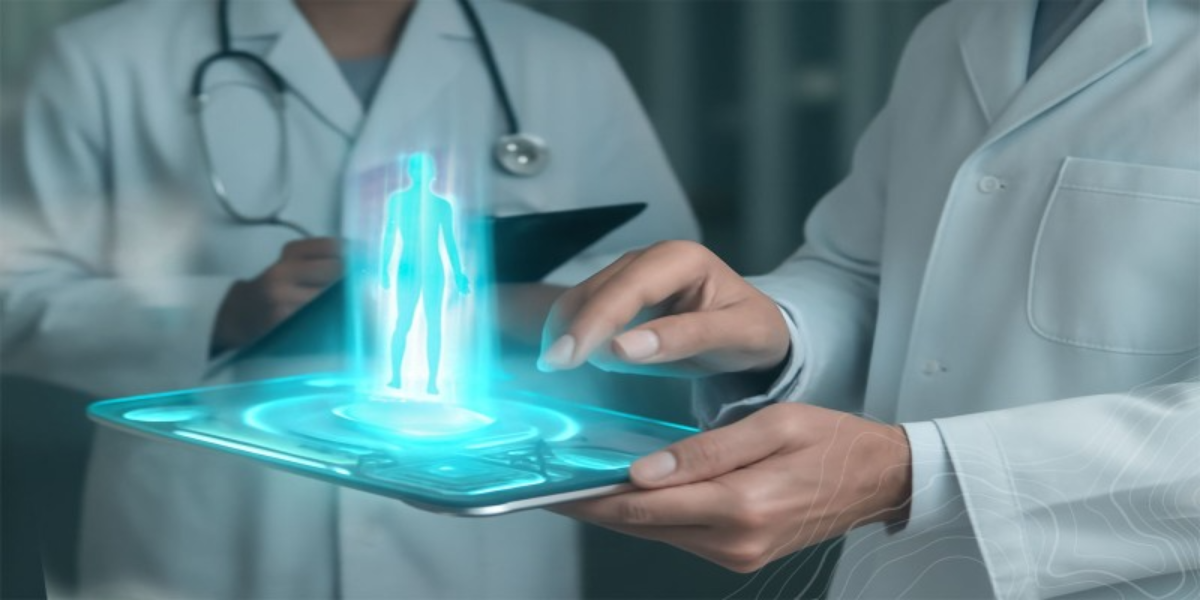
While medical training has always used basic manikins for CPR or simple practical skills, modern digital patient simulation goes much further. High-fidelity computerized simulators can now mimic human physiology with remarkable accuracy, displaying realistic heart murmurs, fluctuating blood pressure, changing pupil reactions, and severe allergic reactions. Furthermore, virtual digital patients powered by artificial intelligence can engage in natural voice conversations, allowing students to practice history-taking, active listening, and diagnostic questioning. This interactive capability shifts clinical training from passive memorization to dynamic, real-time problem-solving.
The paramount advantage of digital patient simulation is the freedom to fail without real-world consequences. In traditional hospital rotations, medical students rarely get the opportunity to lead critical resuscitation efforts or perform high-risk surgical steps independently. Simulation labs change this paradigm entirely by providing a safe arena to make errors, analyze mistakes, and repeat procedures until mastery is achieved. Prospective medical students evaluating modern training options can consult the official Admission Guide to learn about entry pathways into forward-thinking medical programs focused on practical skills.
As simulation technologies become standard across medical schools worldwide, academic frameworks are evolving to measure practical competence alongside written examination scores. Modern medical programs systematically integrate Objective Structured Clinical Examinations (OSCEs), task-trainer stations, and virtual clinical scenarios into every stage of study. Reviewing a progressive MBBS Curriculum shows how hands-on skills, practical diagnostic labs, and simulation modules are woven into preclinical and clinical years, ensuring students build procedural dexterity and confidence early.
The transition from static textbooks to dynamic digital patients represents a monumental leap forward for global medical education. By blending realistic physiological simulations with immersive technology, medical schools are training physicians who are better prepared, more adaptable, and deeply focused on patient safety. As these tools continue to advance, simulation will remain an essential foundation for building capable, empathetic, and highly skilled healthcare professionals. Students and families looking to invest in modern medical training can review the transparent Fee Structure to plan their educational investment in next-generation healthcare education
Copyright 2026 UMDC.