



Date: Aug 10, 2026
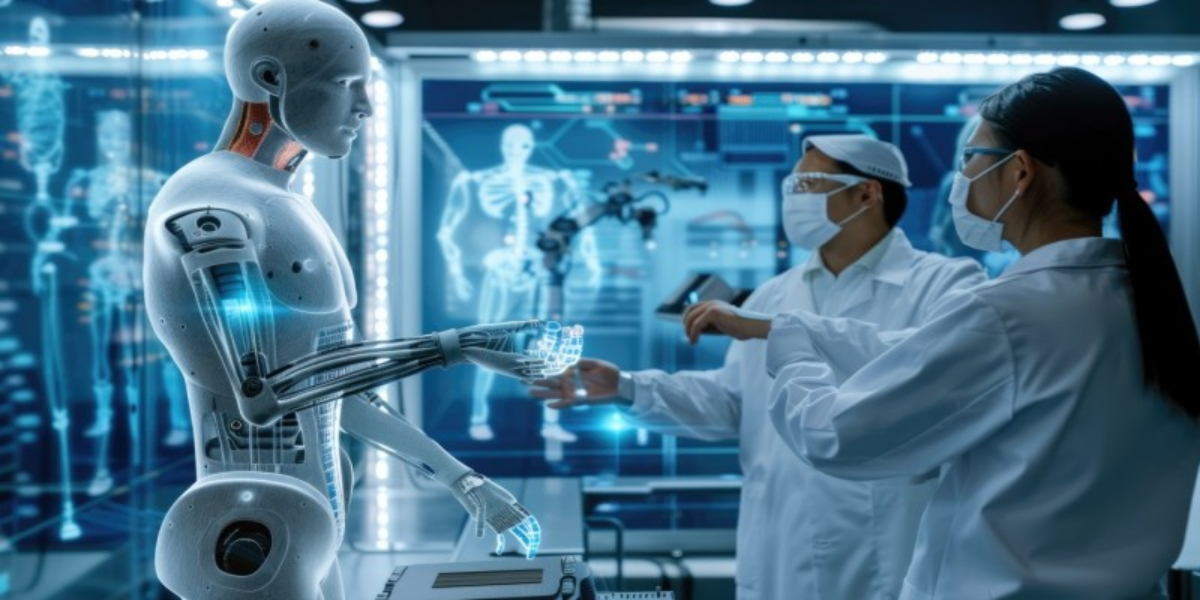
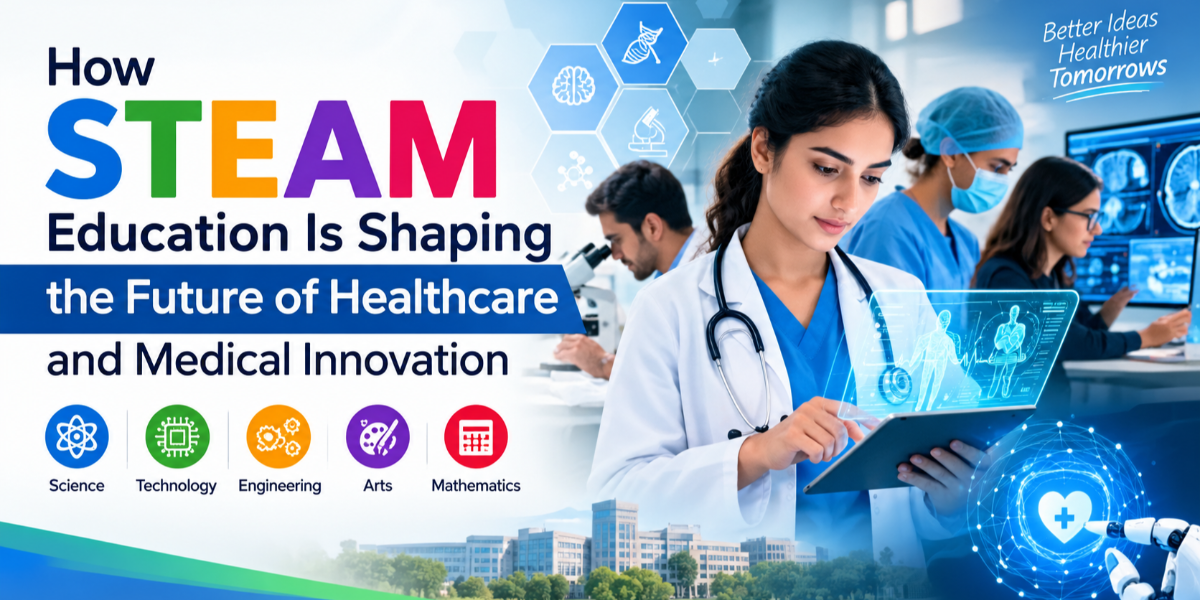
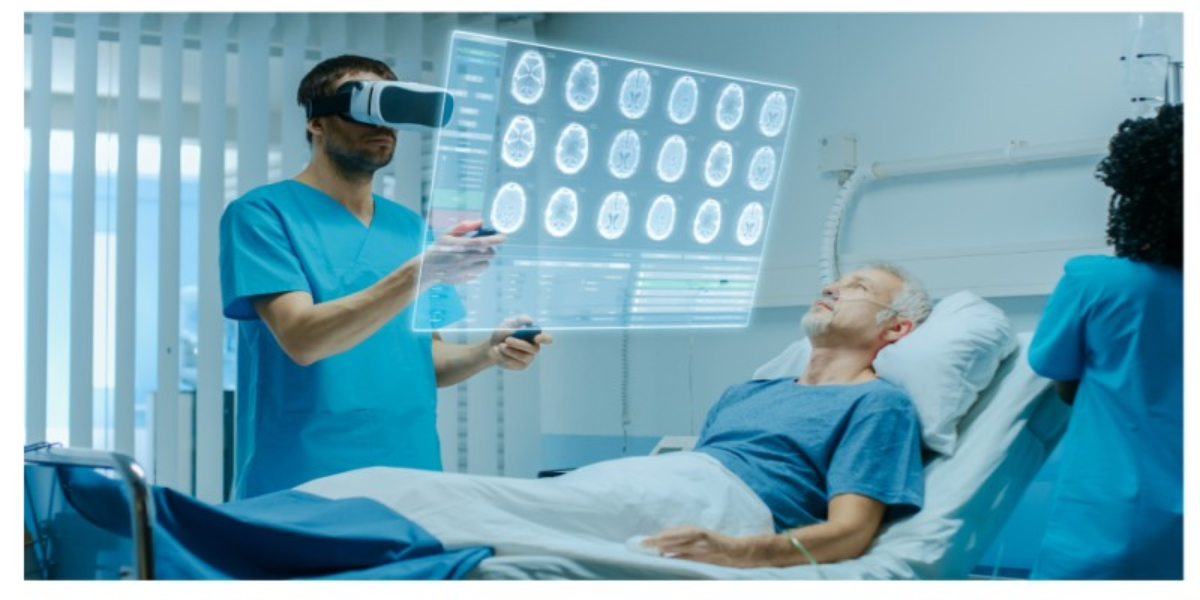
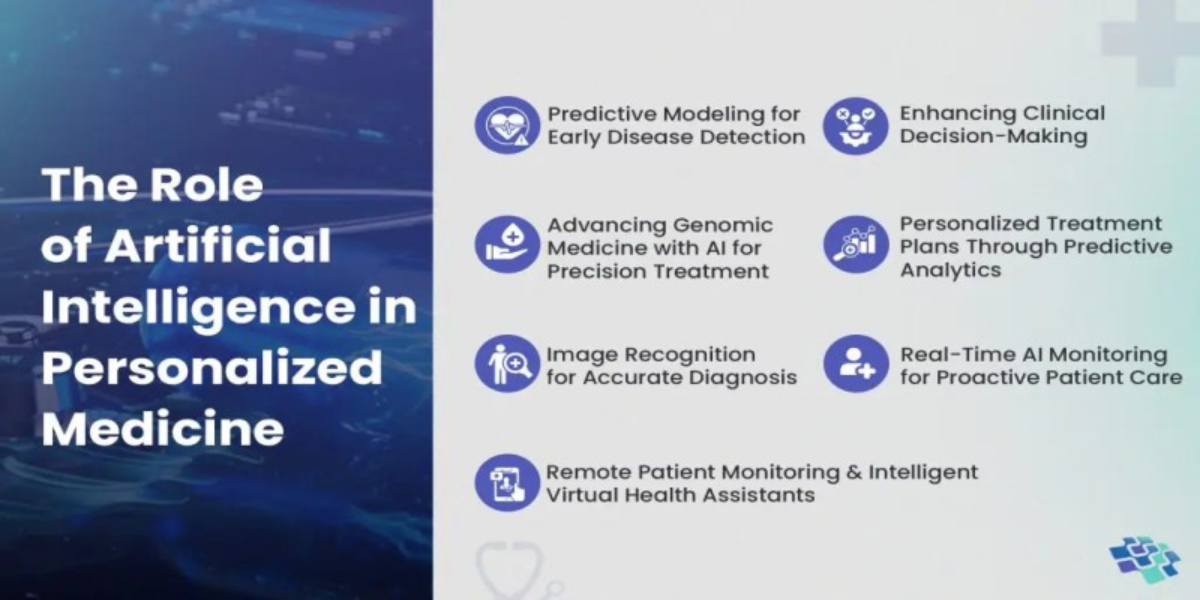
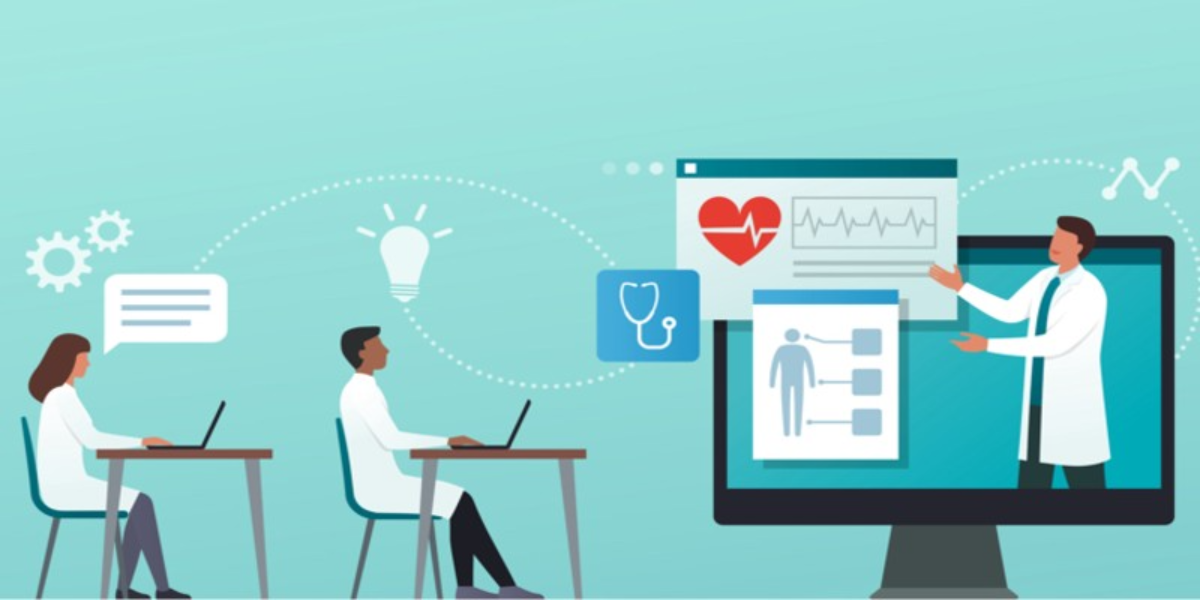
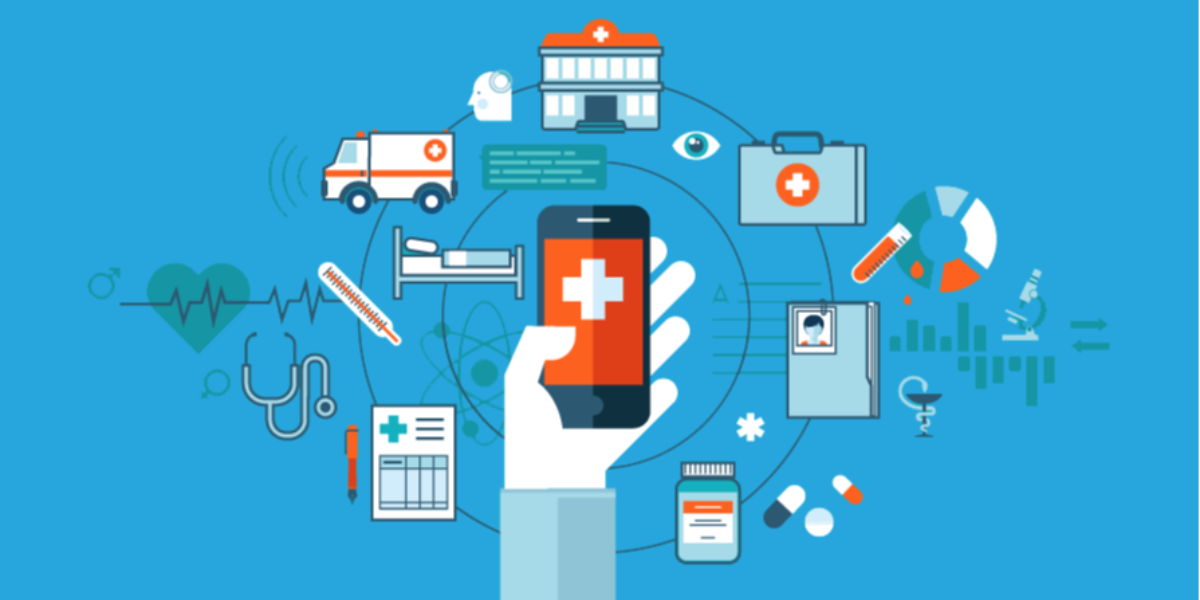
The integration of artificial intelligence into daily clinical practice is no longer a distant theoretical vision; it is a live reality transforming hospital wards and outpatient clinics. Artificial Intelligence-based Clinical Decision Support Systems (CDSS) are advanced software algorithms designed to analyze complex patient datasets, flag diagnostic irregularities, and suggest evidence-based treatment plans. Rather than replacing human judgment, these digital assistants process vast amounts of unstructured clinical data, including diagnostic imaging, genomic sequencing, and continuous electronic health records in seconds. Modern healthcare professionals rely on these insights to reduce diagnostic oversights and optimize therapeutic decisions. Leading institutions like University Medical and Dental College recognize the need to train future physicians to use advanced medical technologies safely and effectively.
In clinical settings, AI-powered decision support serves as a vigilant second set of eyes. Machine learning models excel at detecting subtle patterns that might elude human perception during a busy clinical shift, such as identifying early microcalcifications in mammograms or spotting subtle signs of sepsis in fluctuating laboratory results. By cross-referencing patient vitals against global medical databases, decision support engines provide clinicians with probabilistic diagnostic models and tailored treatment algorithms. This operational speed is especially crucial in high-stakes environments like emergency departments and intensive care units, where rapid, data-informed triage directly impacts patient survival.
For current medical trainees, learning medicine now requires acquiring strong digital literacy alongside traditional physical examination skills. Future doctors must learn to evaluate AI recommendations critically rather than blindly accepting automated outputs. Understanding concepts such as training data bias, positive predictive value, and false positive rates prevents over-reliance on technology. Aspiring physicians eager to build a foundation in modern clinical practice can check the Admission Guide to explore entry requirements for progressive medical programs focused on tech-integrated clinical training.
As algorithms become deeply embedded in patient care, ethical questions surrounding automated decision-making must be addressed in medical training. Physicians remain legally and morally accountable for diagnostic outcomes, which means they must understand the reasoning behind an AI system's suggestion, a challenge often referred to as the "black box" problem. A comprehensive MBBS curriculum addresses these complexities by incorporating medical ethics, digital diagnostic safety, and patient communication skills into standard clinical education. This guarantees that future practitioners maintain empathetic, patient-centered care while leveraging high-tech tools.
Ultimately, AI-powered clinical decision support is an invaluable asset designed to enhance human expertise, reduce cognitive fatigue, and improve patient outcomes. The goal for next-generation physicians is not to compete with artificial intelligence, but to master its application as a collaborative clinical instrument. As technology continues to evolve, medical students who combine compassionate, patient-first care with sophisticated diagnostic literacy will lead the future of modern healthcare. For students and families looking to invest in modern medical education, examining the transparent Fee Structure provides the financial clarity needed to pursue training in this evolving field
Copyright 2026 UMDC.